Last updated November 21, 2026
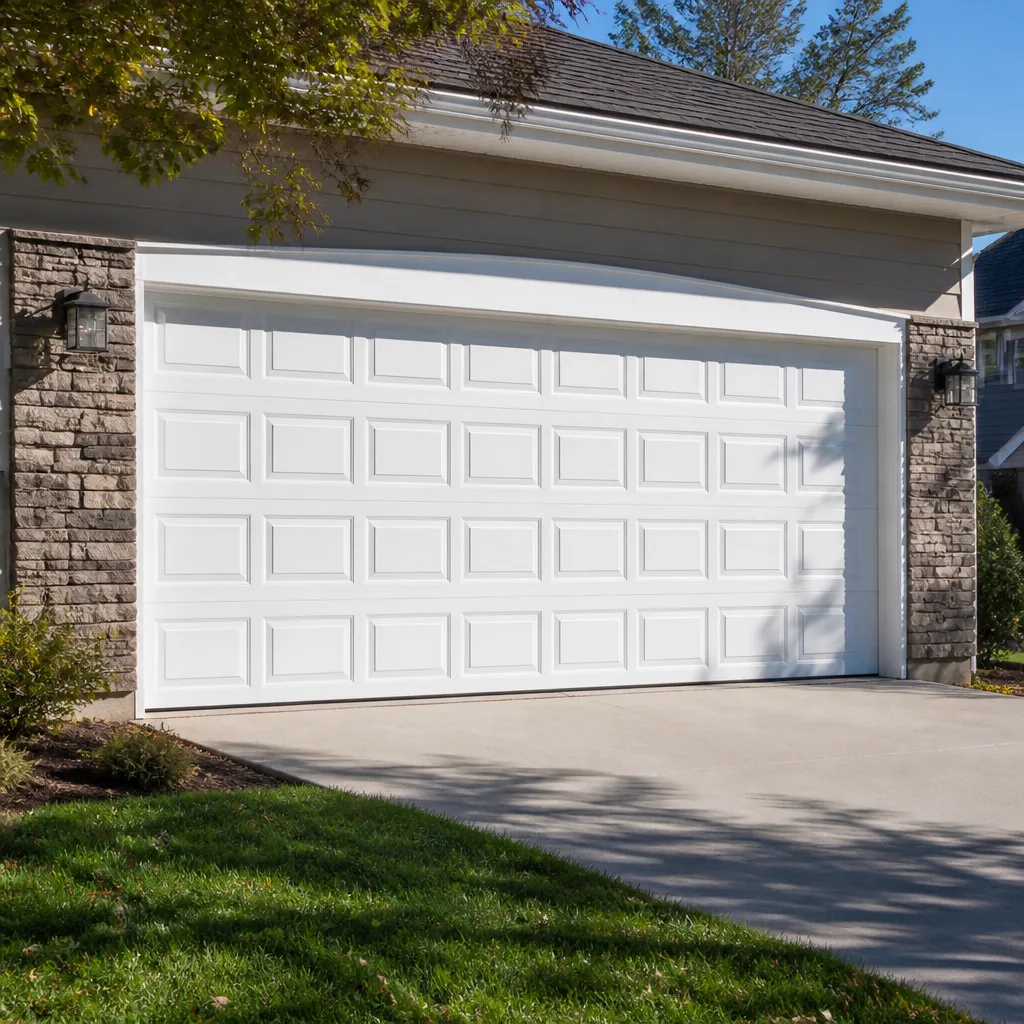 Raised-panel steel
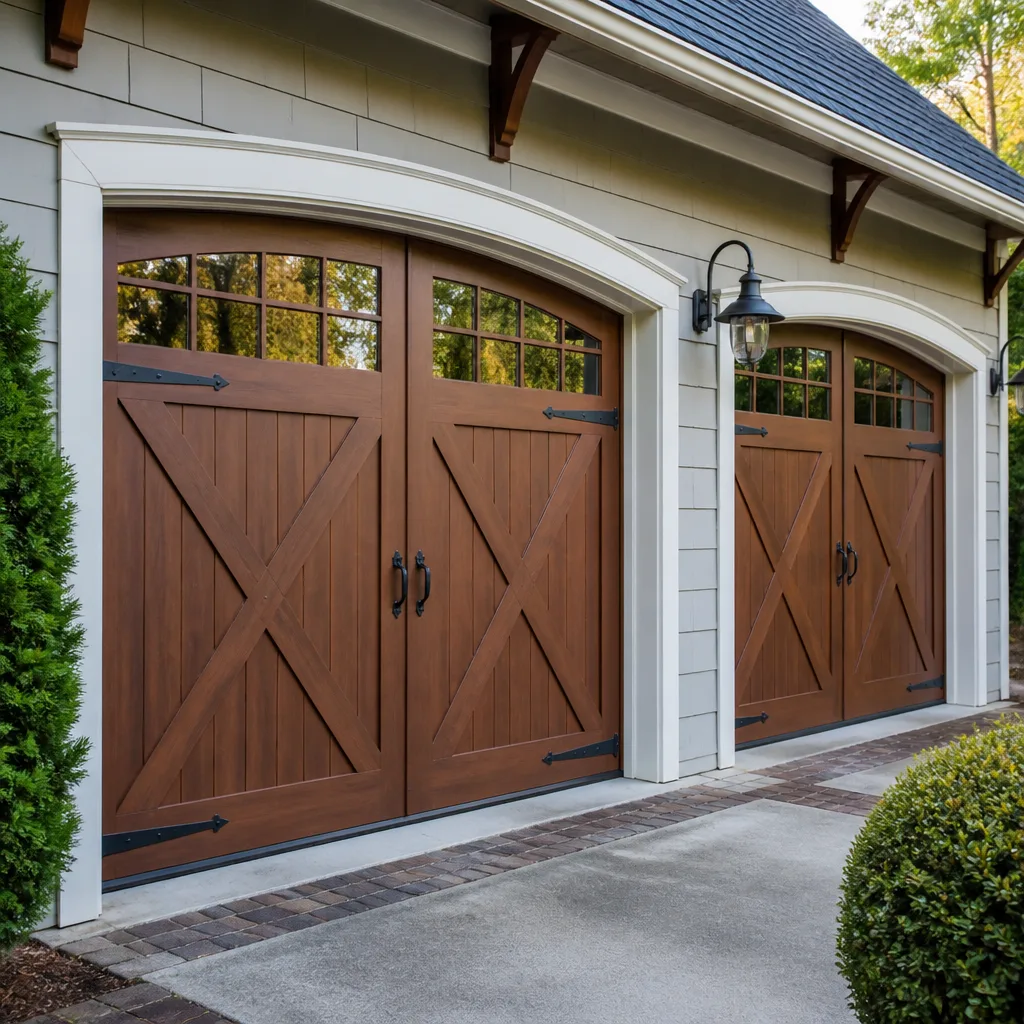 Carriage house
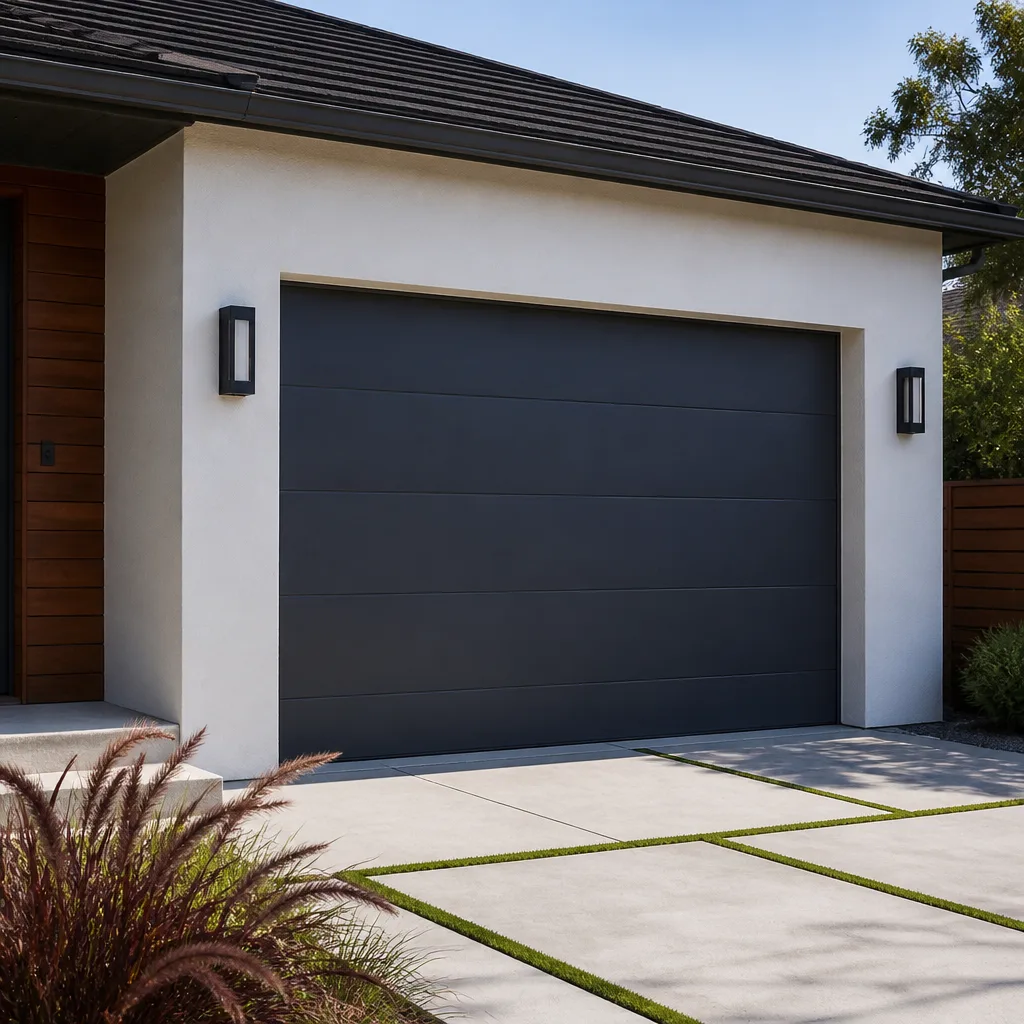 Modern flush
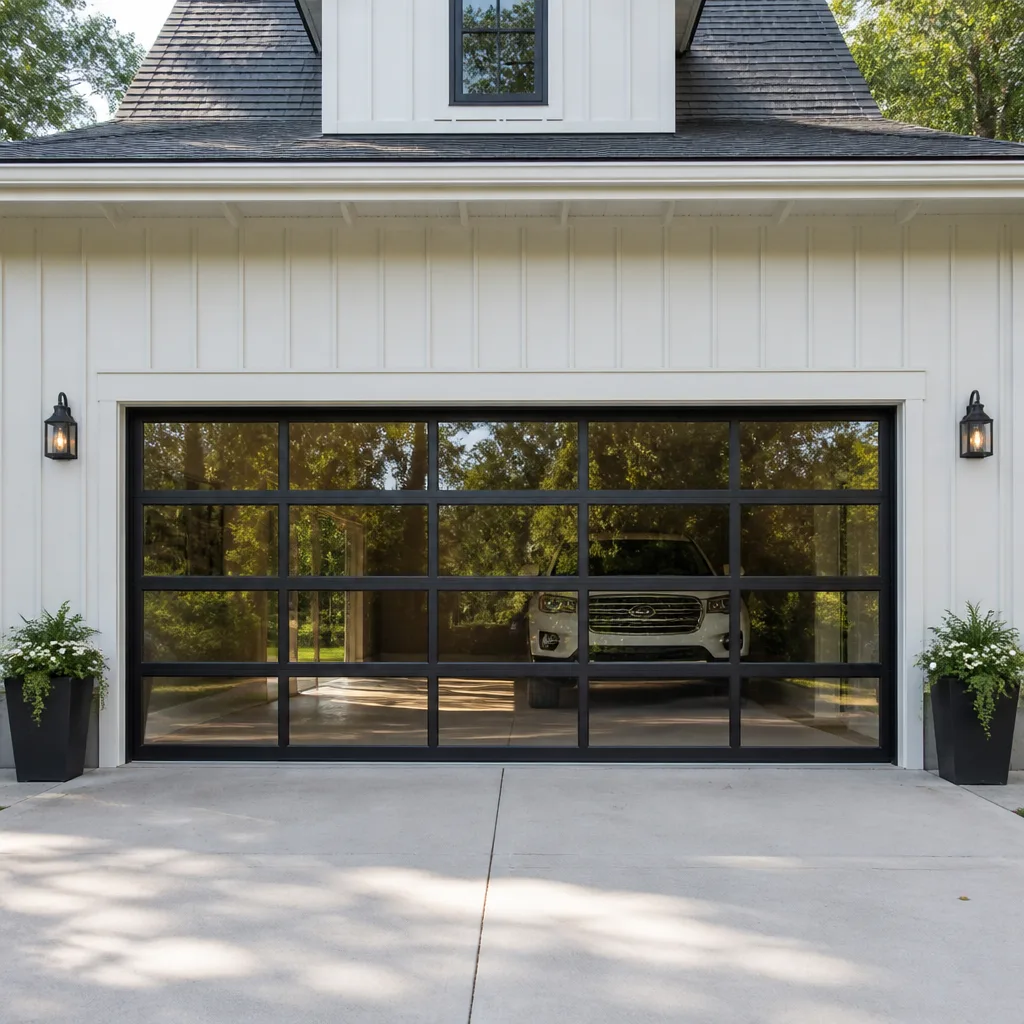 Full-view glass
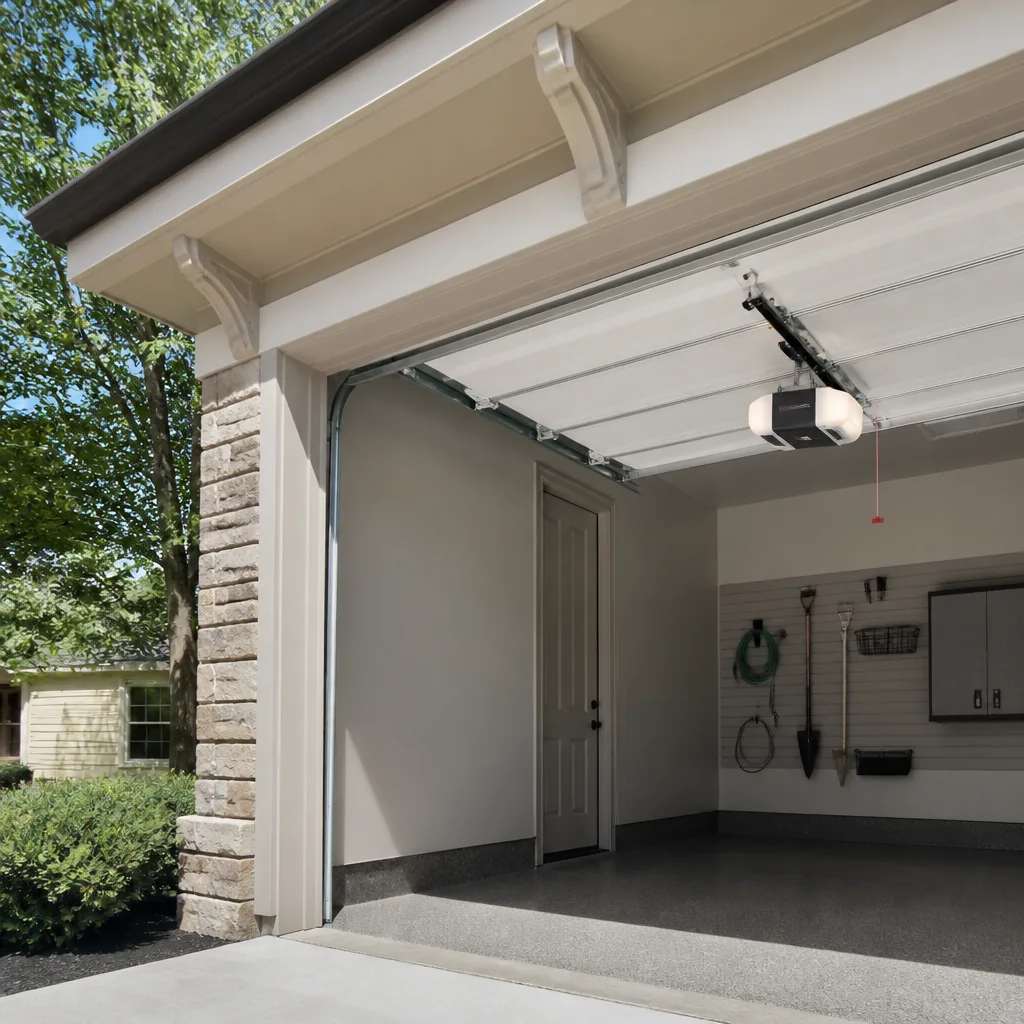 LiftMaster openers
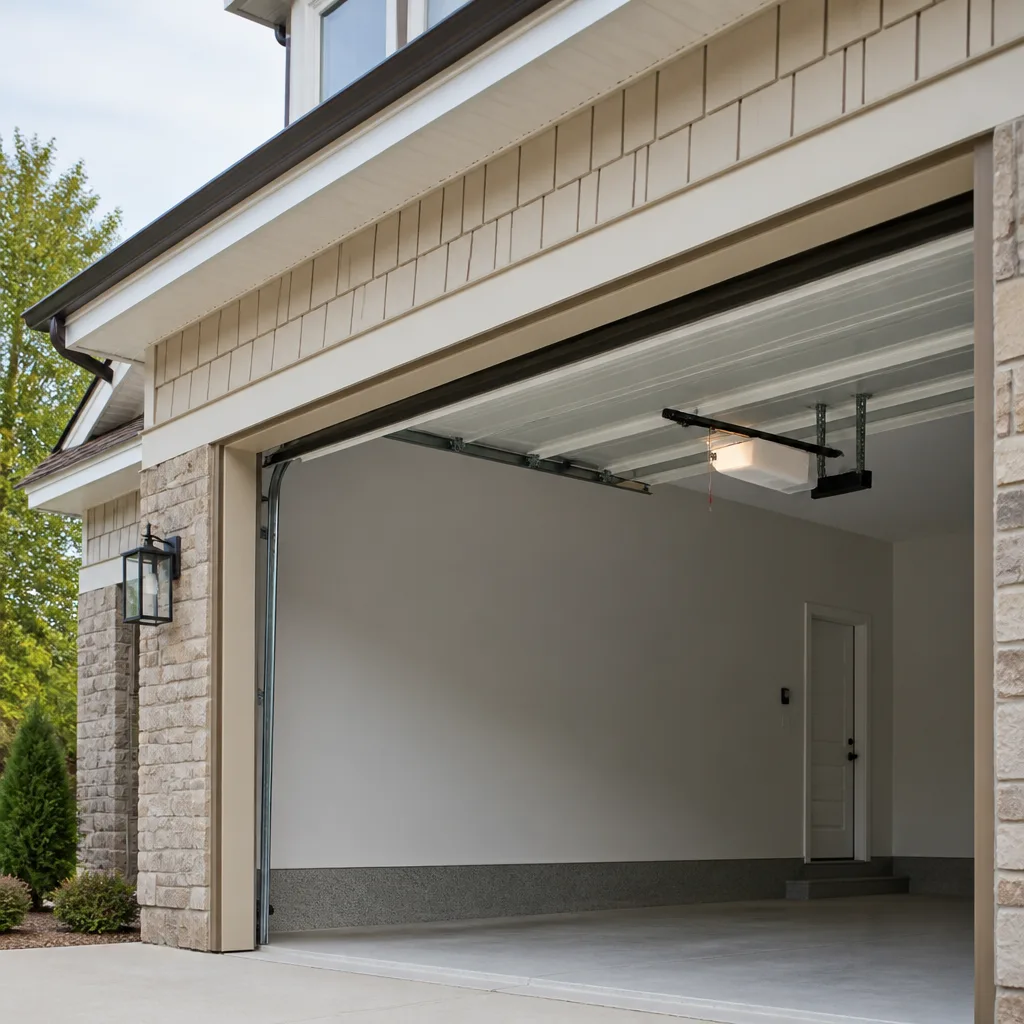 Chamberlain openers
Full 25-point door and opener safety check with every visit - springs, cables, rollers, tracks, and your LiftMaster or Chamberlain opener included
You get a price before we start. It does not change when the pro arrives.
Get your free estimateSeasonal Garage Door Care for Maple Grove: Year-Round Homeowner’s Guide
Most homeowners here treat garage door maintenance as a single autumn checklist. That assumption is the reason so many failures land at the worst possible moment. In Maple Grove, your garage door runs through four mechanically distinct seasons, and each one loads the door differently. Spring is arguably the second most dangerous season of the year: freeze-thaw cycling in March and April works over the same springs, cables, and hinges that sailed through January untouched. A door that opened quietly in February can bind, snap a cable, or drop a torsion spring in the first warm week of spring. This guide breaks the year into four maintenance windows and shows you what to check in each. It also explains how to build a 15-minute walk-around into your routine that catches most problems long before they turn into repair calls.
Quick Answer
Garage door care in Maple Grove follows four seasonal windows: a fall seal-and-lubrication pass before sustained cold, winter attention to a frozen bottom seal without forcing the door, a spring re-tension and cable check after freeze-thaw cycling, and summer inspection of weatherstripping and panel finishes under UV and humidity. A 15-minute walk-around each season, plus a professional spring tension check once a year, prevents most of the failures we see. The springs, cables, and bottom brackets themselves are a professional job and never a homeowner task.
Styles & brands we work with
- Raised-panel steel
- Carriage house
- Modern flush
- Full-view glass
- LiftMaster openers
- Chamberlain openers
Table of Contents
- Why Garage Doors Fail by Season, Not by Year
- Fall: The Six-Week Window Before Sustained Cold
- Winter: Frozen Seals, Cold Metal, and What Not to Do
- Spring: Freeze-Thaw, Snapped Cables, and Re-Tension Checks
- Summer: UV, Humidity, and How Materials Age Differently
- The 15-Minute Seasonal Walk-Around
- What You Should Never Touch Yourself
- Keeping a Simple Maintenance Record
Why Garage Doors Fail by Season, Not by Year
A garage door is a mechanical system, and the materials in it respond to temperature, moisture, and load. When the seasons change in Maple Grove, those conditions change quickly. A torsion spring that held tension comfortably at 70°F behaves differently at 10°F. Steel panels expand and contract with temperature swings, and wood-composite or steel-backed panels take on and shed moisture as the seasons rotate. Every component on your door has a different response curve to cold, heat, and humidity, and the seasonal pattern is what makes failures predictable.
The single biggest misconception is that a door “wore out.” In our experience, doors rarely fail from age alone. They fail because one component reached its limit while the rest of the door was still fine. A snapped torsion spring, a frayed lift cable, or a bottom seal that cracked in February typically had warning signs in the months before. The homeowner who checks the door each season sees those signs early. The homeowner who runs the door twice a day for a year without looking usually finds out at the moment it fails.
Maple Grove sits in a part of Minnesota where the temperature swings between seasons are large and often fast. Doors here go from a 15°F midwinter morning to a 60°F afternoon in the space of a few weeks. That kind of transition is hardest on tensioned metal and on seal materials. It’s why we tell homeowners to think of maintenance as a calendar, not a chore. Four short checks across the year work far better than one long check in October.
The seasonal approach also matches how equipment fails in real life. Opener manufacturers like LiftMaster and Chamberlain design their units for decades of use, but the door they drive sees far more wear than the motor does. The motor is the easy part to check. The door, its springs, hinges, and rollers are where the seasonal wear actually lands. If you’re curious about the specific components and how we handle them, our garage door repair page covers the repair side in more detail.
Fall: The Six-Week Window Before Sustained Cold
Fall is the most important maintenance window of the year in Maple Grove, and it’s the one homeowners most often miss. The goal is to get the door in cold-weather condition before the first sustained freeze, because once the temperature stays below freezing, seal materials get stiff and lubrication stiffens with it. A door that isn’t fully prepared by the time winter settles in will run hard all winter, and hard running is what shortens spring life. The six weeks before sustained cold are when everything you can control should be handled.
Here’s what to do in the fall window, in order:
- Inspect the bottom seal. Run your hand along the bottom rubber and look for cracks, flattening, or a seal that no longer touches the floor. A seal that’s already cracked in October will fail outright by January.
- Check the weatherstripping around the frame. Look for gaps at the sides and top. Cold air entering around the door stresses the opener and the door itself.
- Lubricate hinges, rollers, and tracks. Use a garage-door-specific lubricant, not general-purpose oil or WD-40. The wrong product attracts dirt and gums up in cold weather.
- Look at the springs and cables without touching them. Note any gaps in the torsion spring coils, any visible fraying on the cables, and any sagging on the door.
- Test the balance of the door. Disconnect the opener and lift the door by hand to about halfway. A balanced door stays put. A door that falls or lifts hard needs professional attention.
- Test the safety reverse. Place a small object in the door’s path and confirm the door reverses when it contacts it. On modern LiftMaster and Chamberlain openers the safety sensors should also be checked by blocking the light beam.
We work on the major brands homeowners here have on their homes: LiftMaster, Chamberlain, Genie, Clopay, Amarr, Wayne Dalton, Craftsman, and Raynor. Fall is also the best time for a professional balance and tension check if you haven’t had one in a year. A technician can see spring wear that’s easy to miss with a visual check alone. If your door has been running hard or making new noises, our garage door spring repair page explains what a spring assessment involves.
Winter: Frozen Seals, Cold Metal, and What Not to Do
The most common winter garage door problem in Maple Grove is a bottom seal frozen to the floor. The door goes up once, and the seal peels partway off or the door struggles to open because the rubber is bonded to ice. The trap homeowners fall into is applying force or heat to free it. Force bends panels and stresses the opener. Heat warps steel and can crack the seal permanently. The correct response is patience and the right technique.
When the bottom seal freezes to the floor, first clear any snow or ice packed against the outside of the door. Then try opening the door with the opener. If it strains or doesn’t move, stop. Never force the door by hand with the opener engaged. If a small amount of ice has bonded the seal, a fan pointed at the base of the door or a bucket of warm (not hot) water poured along the outside edge will loosen it without stressing the panel. Never use a heat gun, torch, or boiling water on the door panel. Steel panels warp at temperatures well below what a heat gun produces, and the warp is permanent.
Winter also stresses the springs and cables more than any other season. Cold makes the spring steel more brittle, and the door opens more slowly. A spring that was near the end of its life in November often gives out in January. If your opener struggles to lift the door in cold weather, that’s a sign the springs are losing tension. Do not compensate by turning up the opener’s force adjustment. The force adjustment exists to handle normal variation, not to mask a failing spring. Turned up, it can force a damaged door to open and cause real injury.
A few winter rules worth taping inside the garage:
- Clear snow and ice from the door’s path before opening it, especially after a storm.
- If the door is frozen to the floor, thaw it gently from the outside and never force it.
- Keep the tracks clean and free of ice. A small amount of ice in a track will force the rollers off line.
- If the door won’t open normally, don’t adjust the opener’s force setting to compensate. That points to a spring problem.
- Operate the door at least once on any day the temperature is above freezing, if you don’t use it daily.
For openers that stop responding in cold weather, our garage door opener repair page covers the common causes. Genie, Chamberlain, and LiftMaster units all share the same cold-weather basics, and diagnosing the issue is faster when we know the brand up front.
Spring: Freeze-Thaw, Snapped Cables, and Re-Tension Checks
Spring is the season most homeowners here underestimate. The thinking goes that winter is the hard season, so spring should be the easy one. Mechanically, the opposite is true. March and April bring repeated freeze-thaw cycles, and those cycles stress components that survived January intact. Metal that was under steady cold load all winter goes through dozens of expansion-contraction cycles in a few weeks. Cables snap. Springs lose their tension in sudden failure. Doors that opened fine in February suddenly bind or fail to close.
The mechanical reason is straightforward. Steel expands and contracts with temperature, and a torsion spring’s stored energy depends on its geometry. When the spring and cable system cycles through freeze and thaw multiple times a week, any weakness in a cable strand or spring coil gets worked over more than at any other point in the year. We see more cable failures in March and April than any other two months. Those failures have nothing to do with door age. They’re the result of the seasonal stress pattern.
Spring’s maintenance checklist, in order:
- Test the door’s balance again. Disconnect the opener and move the door by hand. A door that doesn’t hold position needs a spring check.
- Look at the cables. Check where the cable meets the drum at the top of the door and where it attaches at the bottom bracket. Frayed strands, kinks, or a cable that’s come out of its drum are all signs of a problem.
- Inspect the door’s travel. If the door binds, jerks, or slams in one direction, the spring tension has shifted.
- Check the tracks for wobble or misalignment. Freeze-thaw can shift the anchors on a door that was fine in the fall.
- Re-lubricate hinges and rollers after the cold season. Cold-weather lubricant can dry out or attract grit over winter.
- Clean the tracks with a damp cloth, then dry them fully. Don’t lubricate the tracks themselves; rollers ride in them clean, not greased.
Spring is the seasonal window where a professional tension check earns its cost. A technician can measure the tension, check the spring for hairline cracks, and verify the cable windings. This is the work our Maple Grove Garage Door Repair Pros team focuses on year-round. We’d rather catch a spring on the edge in April than have a homeowner call us in May because the door won’t open.
Summer: UV, Humidity, and How Materials Age Differently
Summer is the easiest season for the mechanics of the door, but the hardest on the materials. UV radiation breaks down rubber and weatherstripping faster than any other seasonal factor. Humidity, meanwhile, does something different to every door material, and the difference matters here in Maple Grove. Wood-composite doors absorb moisture and swell, while steel doors mostly shrug off humidity but can trap moisture in seams where the finish is compromised.
For steel doors, which most Clopay and Amarr installations are, the summer issue is finish degradation. Look for paint failure at panel seams, around the bottom edge, and near hinges. A small chip of paint exposes bare steel to moisture and starts a rust path. Catching that chip in June is easier than fixing rust in October. Summer is also the season to inspect the weatherstripping around the door frame and the bottom seal itself. UV degrades rubber and vinyl, and a seal that looked fine in April can be cracked and dry by August.
For wood-composite and wood doors, the summer problem is swelling. High humidity in southeastern Minnesota’s summer makes wood-composite panels swell, which can cause the door to bind at the edges or fail to close evenly. Watch for doors that fit fine in March but stick in July. A slight adjustment to the tracks or the hinges may fix it, but persistent swelling usually means the finish or the seal is letting moisture in. That’s a repair, not a maintenance item, and it’s best caught early.
Summer’s checklist:
- Inspect the paint and finish on the door panels, with attention to seams and edges.
- Check the weatherstripping on all four sides for UV cracking.
- Look at the bottom seal for dryness, cracking, or gaps.
- Wipe down the tracks and clear any debris that built up over the warm months.
- Watch for binding or sticking on wood-composite doors during humid stretches.
- Check the opener’s safety reverse again; the summer is a good mid-year reset.
Summer is also the season to notice hardware looseness. The expansion and contraction of the warm months can back out screws on hinges and brackets. A quick pass with a screwdriver on hinge screws catches small issues before they become misalignment problems.
The 15-Minute Seasonal Walk-Around
The seasonal maintenance we’ve described can be compressed into one 15-minute walk-around per season. Do it on the same weekend you change the clocks. The goal is to catch the 80% of issues that are visible to a homeowner without disassembling anything or touching the high-tension components. Everything on this list is safe to check by hand or by eye.
The walk-around, step by step:
- Visual pass, outside and inside. Look at the door panels, tracks, springs, cables, and hinges. Note anything new or unusual.
- Listen to the door run. Open and close it once and listen for grinding, squeaking, or a door that sounds labored.
- Check the balance. Disconnect the opener and lift the door halfway by hand. It should stay where you leave it.
- Test the safety reverse. Put an object in the door’s path and confirm the door reverses.
- Look at the bottom seal and frame weatherstripping. Seal should touch the floor all the way across; weatherstripping should be pliable, not cracked.
- Check the hardware. Look for loose hinge screws, bent tracks, and rollers that don’t sit flush in the track.
- Note and record. Write down anything you found so you can compare it next season. The record matters more than the memory.
The walk-around catches the problems that are obvious to a homeowner: a broken seal, a frayed visible cable, a door that binds, a noisy rod. What it cannot catch is the inside condition of the spring itself, the exact tension, or the integrity of a cable that’s failing from the inside. Those need a technician. That’s the point of pairing a homeowner walk-around with a professional check once a year. The one job we recommend on top of any DIY effort is an annual spring tension check, because spring condition is the one thing a homeowner can’t safely verify alone.
The 15-minute version isn’t a substitute for the annual professional check, but it’s the part that makes the check less urgent. Homeowners who do the walk-around catch most issues months before they fail. Homeowners who don’t usually call us after something breaks. If something in your walk-around looks wrong, our team is one call away.
What You Should Never Touch Yourself
Some parts of a garage door are safe for a homeowner to inspect and lubricate. Others are genuinely dangerous, and the difference matters. The torsion spring is under enormous stored force. Even when the door is fully closed, the springs are wound tight, and any adjustment or release without the right tools and training can cause serious injury. Lift cables are under the same tension. The bottom bracket is held under constant load and can suddenly release. These are the parts we ask homeowners not to work on.
The parts that are safe to inspect and maintain by hand:
- Hinges and rollers (lubrication and visual inspection)
- Tracks (cleaning, checking for bends)
- Bottom seal and frame weatherstripping (visual and touch inspection)
- Opener settings and safety sensor test (via the opener’s manual and control panel)
- Panel finish (painting, touch-ups on accessible edges)
The parts a trained technician should handle every time:
- Torsion springs (tensioning, replacement, adjustment)
- Extension springs and their safety cables
- Lift cables and drums
- Bottom brackets
- Any repair that requires the door’s weight to be supported
For springs specifically, our view is straightforward: the spring is a precisely loaded mechanical component, and adjusting it by guesswork isn’t a shortcut. It’s the exact job trained technicians exist for. Our team handles garage door spring repair with the tools and procedures the job requires, and we’d rather you call us than try to save a few dollars and end up in the emergency room.
Keeping a Simple Maintenance Record
One habit that separates homeowners who rarely have emergency repairs from those who do: they keep a record. The record doesn’t need to be elaborate. A small notebook kept in the garage, or a note on your phone, is enough. Write down the date of each seasonal walk-around, what you noticed, and any lubrication or adjustments you made. When a technician checks the door, add what they found. Over a couple of years the record tells a story, and the story helps spot patterns that would otherwise be invisible.
The patterns worth watching:
- Spring failures that cluster in late winter or early spring. That’s the seasonal stress pattern we’ve described, and it’s normal. Sudden spring failures in summer usually point to a spring that was already losing tension.
- Seal replacements that come every year. A bottom seal that fails annually is usually the wrong seal or the wrong installation. A quality seal should last several seasons.
- Doors that bind at the same time every year. This is typically a humidity issue on wood-composite doors or a track issue that’s temperature-sensitive.
- Opener behavior that changes season to season. If the opener struggles in cold but fine in warm, the springs are the culprit, not the motor.
A maintenance record is also useful when you’re considering a new door. If the record shows five spring failures in three years, the door is telling you the spring sizing or balance was never right. Our team can review the record and recommend whether repair or replacement is the better path. For a full picture of the services we handle, see the Maple Grove Garage Door Repair Pros page.
Common Mistakes to Avoid
- Treating maintenance as a once-a-year event. A single fall pass misses the spring and summer materials problems, and the yearly checklist quietly becomes a repair history. Four short walk-arounds beat one long one.
- Using the wrong lubricant. General-purpose oil, WD-40, and heavy grease all attract grit and stiffen in cold weather. Use a garage-door-specific lubricant on hinges and rollers, and never lubricate the tracks themselves.
- Forcing a frozen bottom seal. In Maple Grove winters it’s tempting to just pull harder or use a heat gun. Both are wrong. Thaw gently from outside, never heat the panel.
- Turning up the opener’s force setting to fix a struggling door. The force setting is not a tension adjustment. Turning it up masks a spring problem and stresses the opener and door, which leads to more expensive repairs.
- Painting or sealing over cracked weatherstripping. The seal has to flex to do its job. Paint makes it brittle and can cause the seal to fail in the next cold stretch.
- Skipping the professional spring check because the door “feels fine.” Spring wear is the one condition a homeowner can’t safely verify on their own. The door can feel fine right up until the spring snaps.
- Forgetting the safety reverse test. The most important safety feature on the door is the reverse function, and it needs to be tested every season. A door that doesn’t reverse on contact is a hazard to anything in its path, including pets and kids.
See the difference
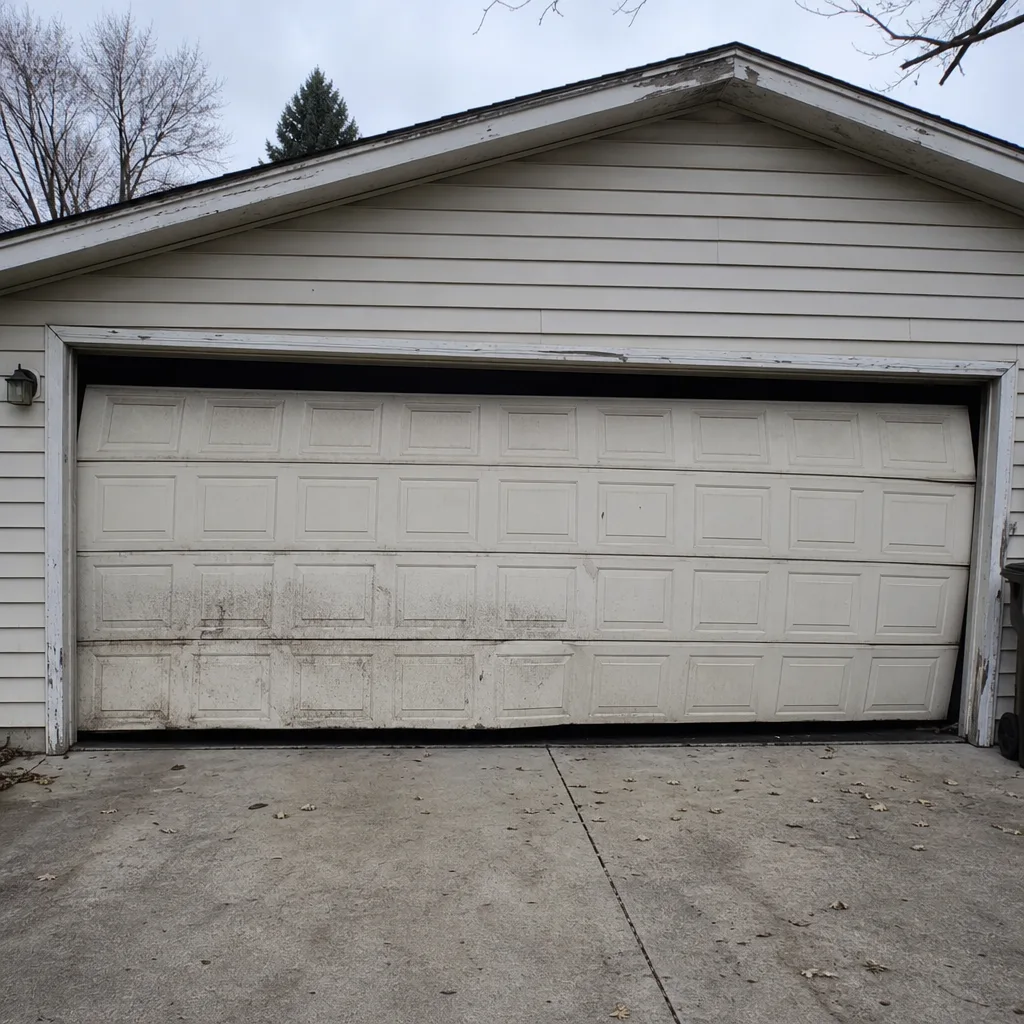 Before
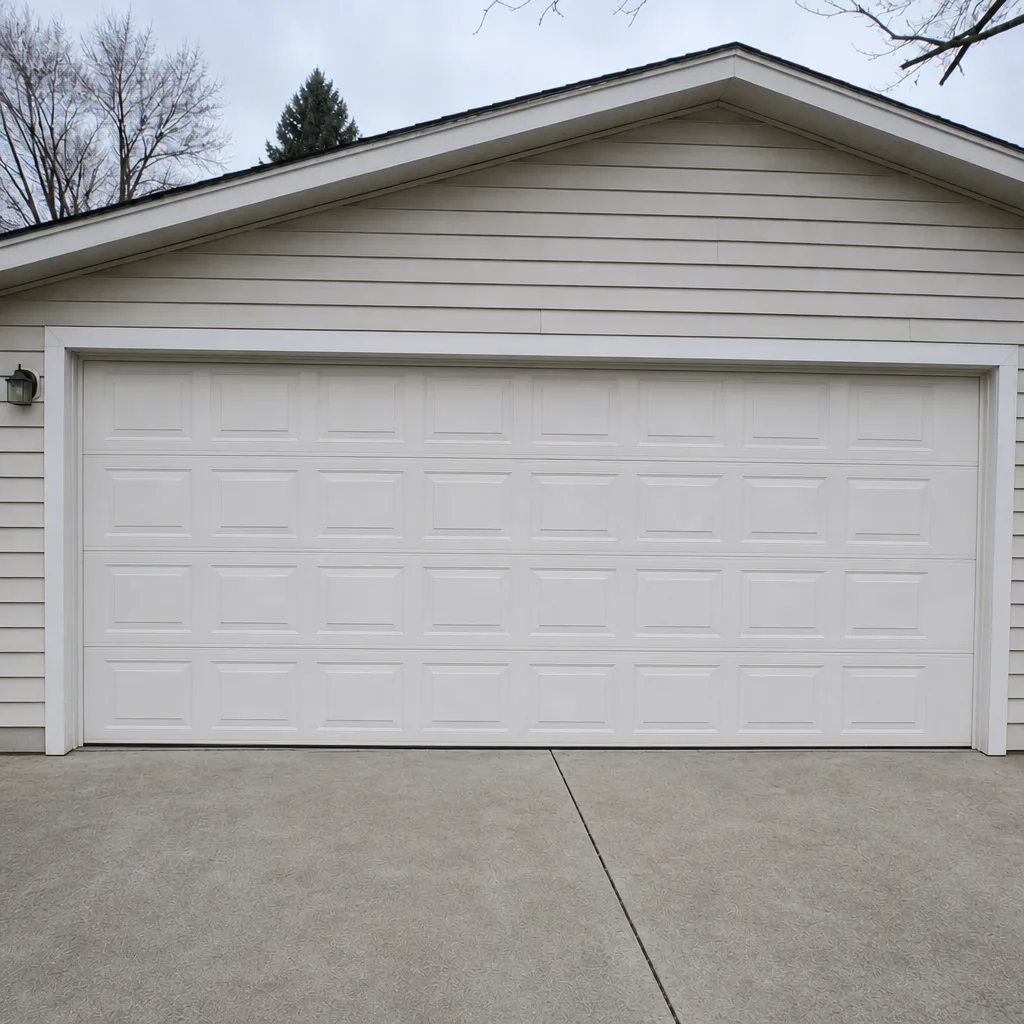 After
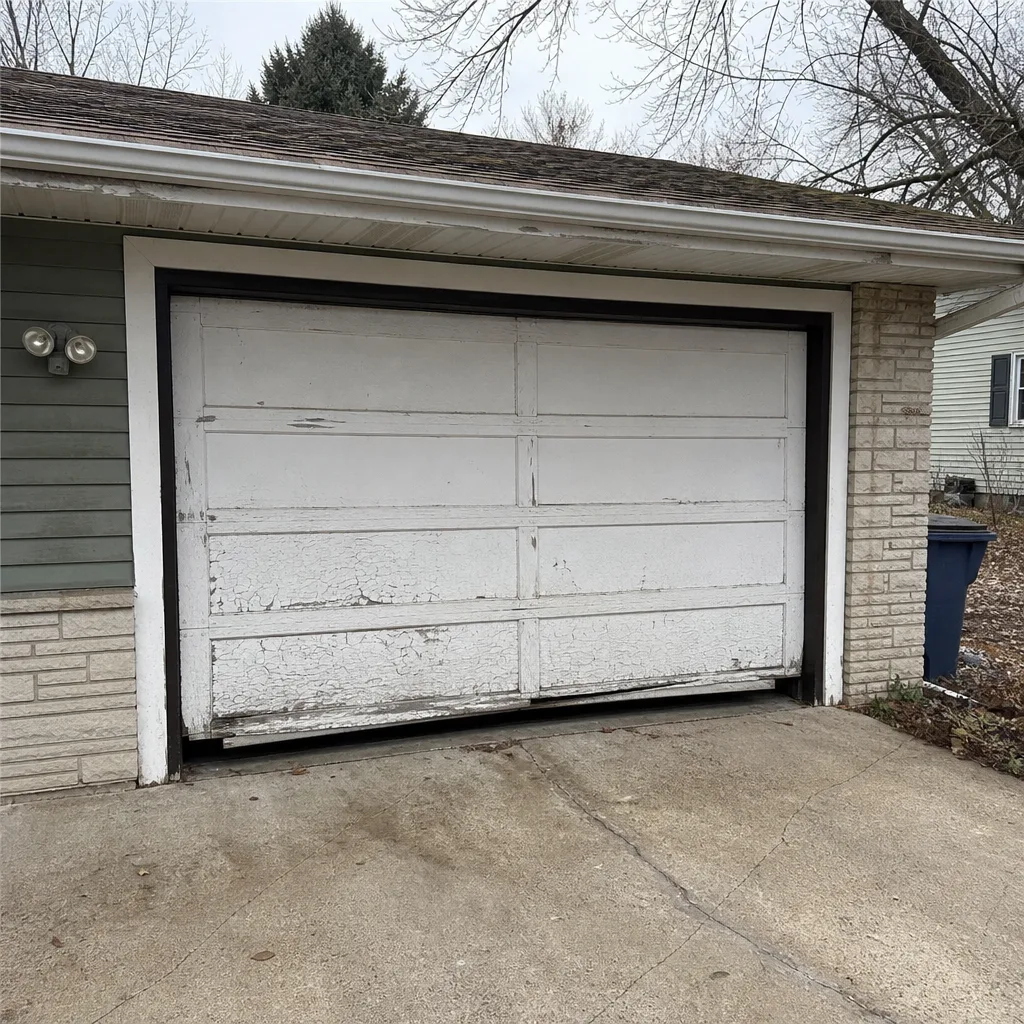 Before
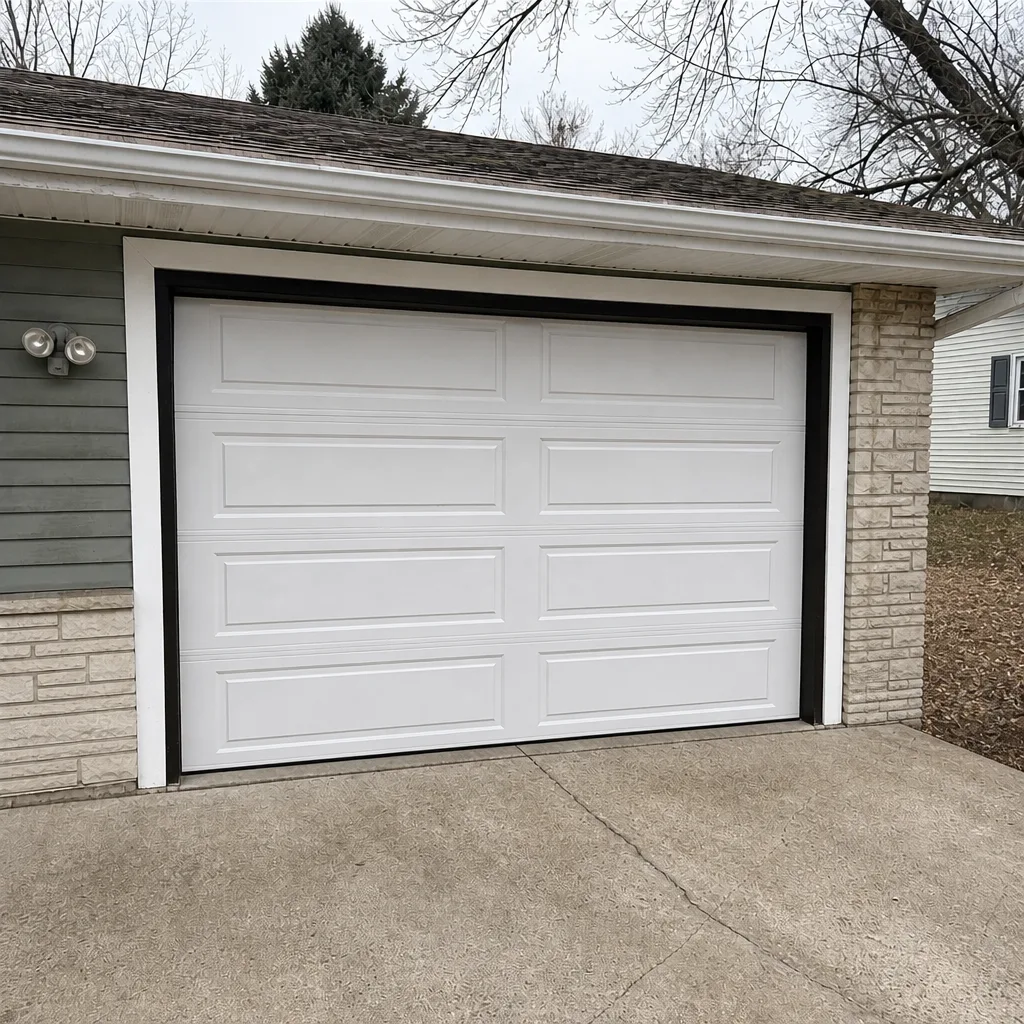 After
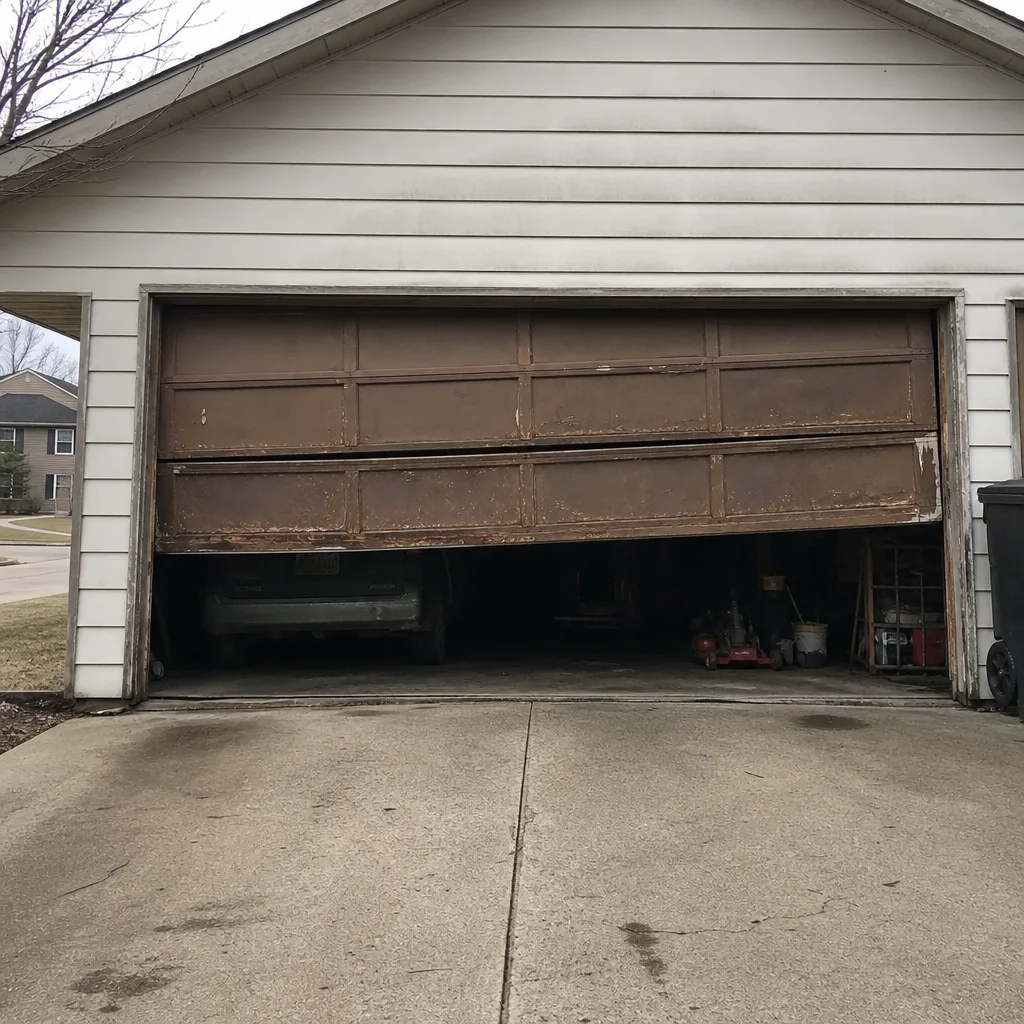 Before
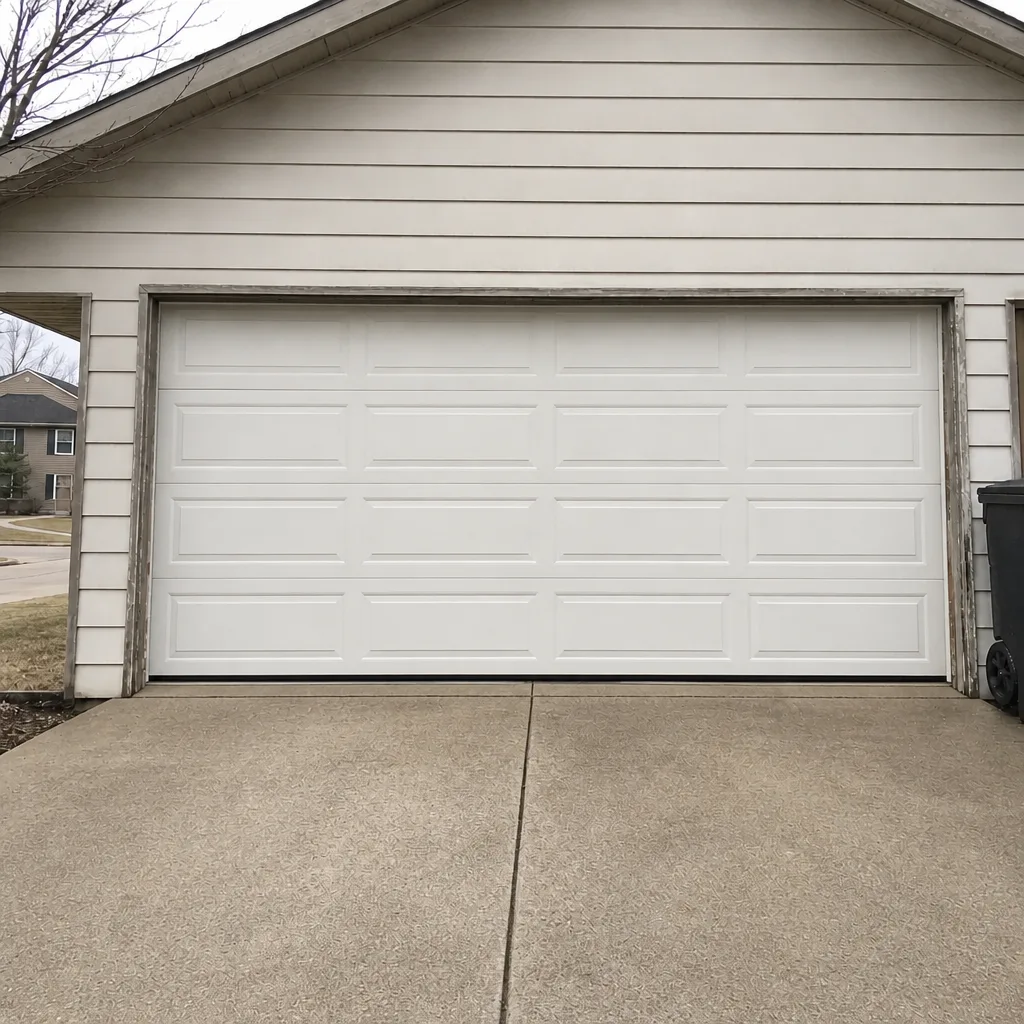 After
When to Call a Professional
Some seasonal tasks belong to you; others belong to a trained technician. Call a professional when you notice a snapped or broken spring, a cable that’s come off its drum, a door that won’t stay in position when lifted halfway, a door that binds or slams in one direction, a bottom seal that’s frozen or won’t release, or a safety reverse that doesn’t work. Also call when the opener is struggling in cold but working fine in warm; that’s a spring issue, not an opener issue. For springs, cables, and bottom brackets, don’t attempt the repair. These parts are under load and can cause serious injury.
Maple Grove Garage Door Repair Pros offers free estimates in Maple Grove and handles the full range, from spring and opener repair to new door installation. Our technicians have up to 8 years of experience, and we work on LiftMaster, Chamberlain, Genie, Clopay, Amarr, Wayne Dalton, Craftsman, and Raynor equipment. Emergency service is available when a door fails in a way that leaves the garage or home exposed. When something in your seasonal walk-around looks wrong, one call and we’ll take it from there. Call (833) 902-7220 for a free estimate.
Frequently Asked Questions
Once a year for a professional spring, cable, and balance check, with your own 15-minute walk-around at the start of each season. In Maple Grove the fall window is the most important professional check because it prepares the door for winter. Spring is a close second, since freeze-thaw cycling stresses the springs and cables. A homeowner who does the seasonal walk-arounds can usually go a full year between professional checks without surprises. Call (833) 902-7220 for a free estimate if you’re not sure when your door was last checked.
Because freeze-thaw cycling in March and April works metal components through dozens of expansion-contraction cycles in a few weeks. Those cycles stress the same springs and cables that survived January intact. Cables are most vulnerable where they meet the drum or the bottom bracket, and springs can snap suddenly even if the door felt fine the week before. It’s not about door age. It’s about the seasonal stress pattern. If your door sounds different in the spring than it did in winter, call (833) 902-7220 for a check.
Whether you can handle the seal depends on the door and the seal type, but in general a homeowner can replace a bottom seal if the door is fully supported and the seal slides out of its retainer. If the seal is frozen to the floor, or the retainer is damaged, or the door is a heavy or unusual model, call a professional. The risk is bending a panel or stressing the door while it’s in the air. Call (833) 902-7220 if you’re not sure which seal you have.
No. Never use a heat gun, torch, or boiling water on a garage door panel. Steel panels warp at temperatures well below what a heat gun produces, and the warp is permanent. The correct approach is to clear the outside snow and ice, then thaw gently with warm (not hot) water or a fan pointed at the base. If the door still won’t open, stop and call a technician rather than forcing it. Call (833) 902-7220 for emergency service if the door won’t budge.
A few signs show up before a spring fails: a door that won’t stay in position when lifted halfway, a door that binds or slams in one direction, and a gap in the torsion spring coils. Listen for a door that runs louder or slower than it used to, and check for a door that struggles to open in cold weather but fine in warm. If you notice any of these, have the springs checked. A technician can measure tension and catch a failing spring before it snaps. Call (833) 902-7220 for a free estimate.
We work on equipment from LiftMaster, Chamberlain, Genie, Clopay, Amarr, Wayne Dalton, Craftsman, and Raynor, which covers the major residential brands on most Maple Grove homes. Being trained on the specific brand means faster diagnosis and the correct parts the first visit, not a second trip. Seasonally, the brand matters most for opener diagnosis and for door hardware, since part fit varies by manufacturer. Call (833) 902-7220 if you’d like to confirm your brand before booking.
The Bottom Line
Your garage door doesn’t fail by age; it fails by season. In Maple Grove, the four seasons put four different loads on the same door, and the maintenance windows that matter most are the fall six-week seal-and-lube pass, the winter seal-thaw discipline, the spring post-freeze-thaw check, and the summer materials inspection. A 15-minute walk-around each season catches most issues long before they become repair calls. Pair that with an annual professional spring tension check, and you’ll rarely have a failure on the worst possible day. For the parts you can’t safely check yourself, put them in a professional’s hands.
Contact Us for a Free Estimate
If your seasonal walk-around turned up a problem, or you’d like a professional check before winter or spring arrives, call Maple Grove Garage Door Repair Pros at (833) 902-7220. We offer free estimates in Maple Grove, work on the major residential brands, and handle the full range from spring and opener repair to new door installation. When your garage door stops, we’ll get you back to normal.
Written by the team at Maple Grove Garage Door Repair Pros.