Last updated November 21, 2026
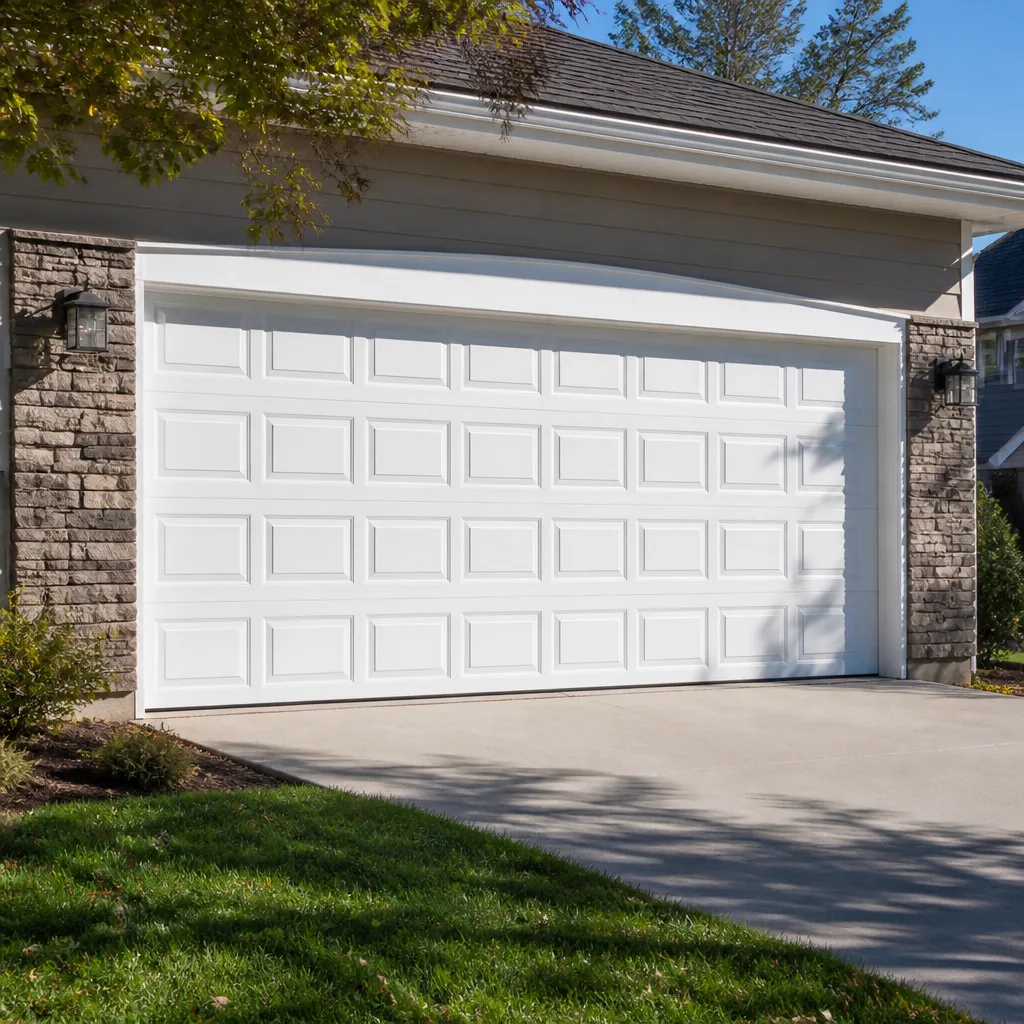 Raised-panel steel
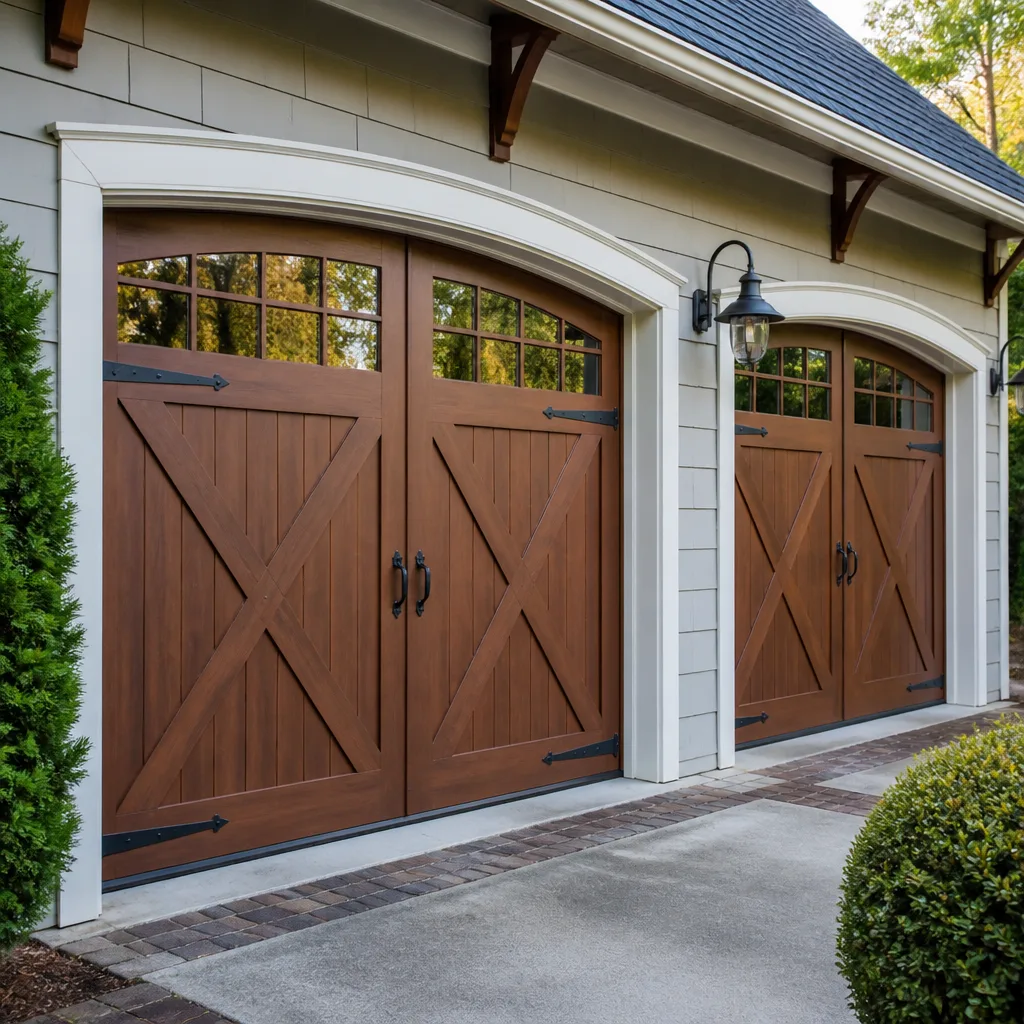 Carriage house
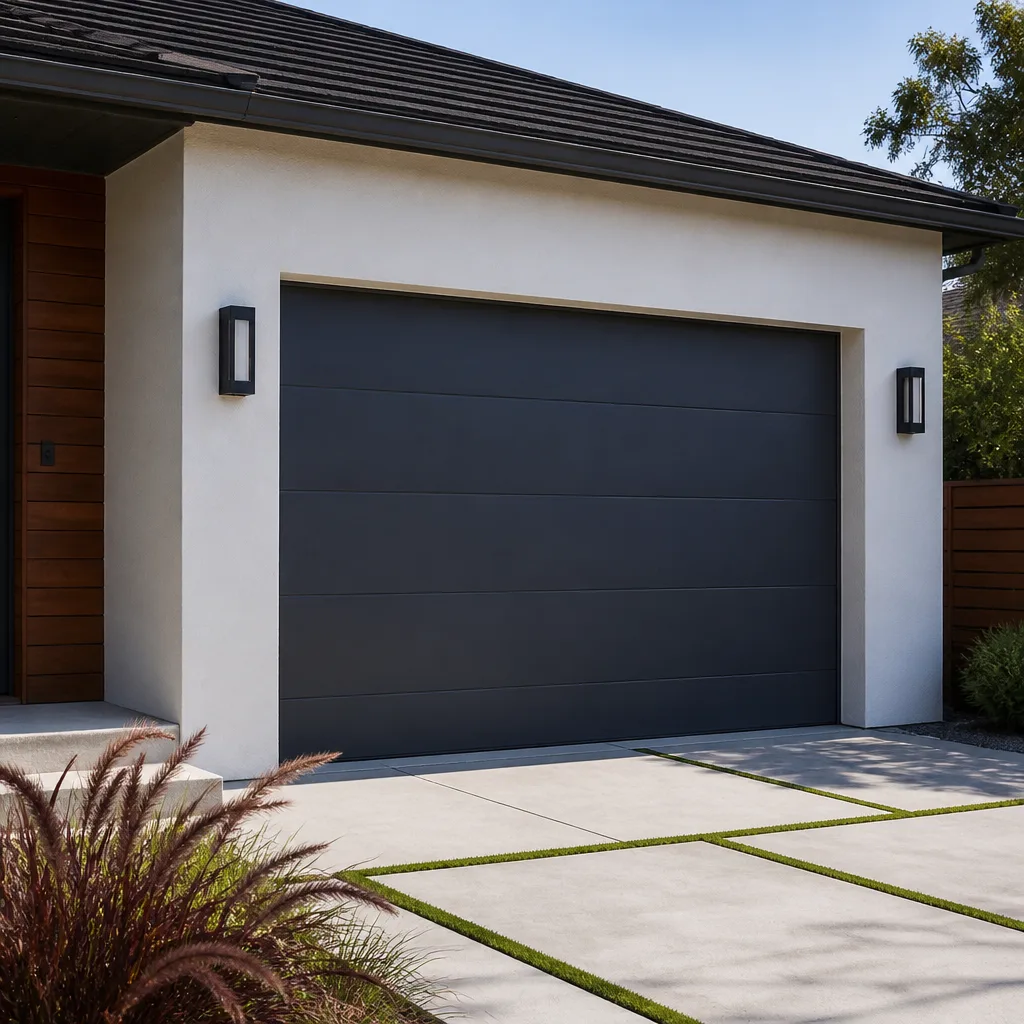 Modern flush
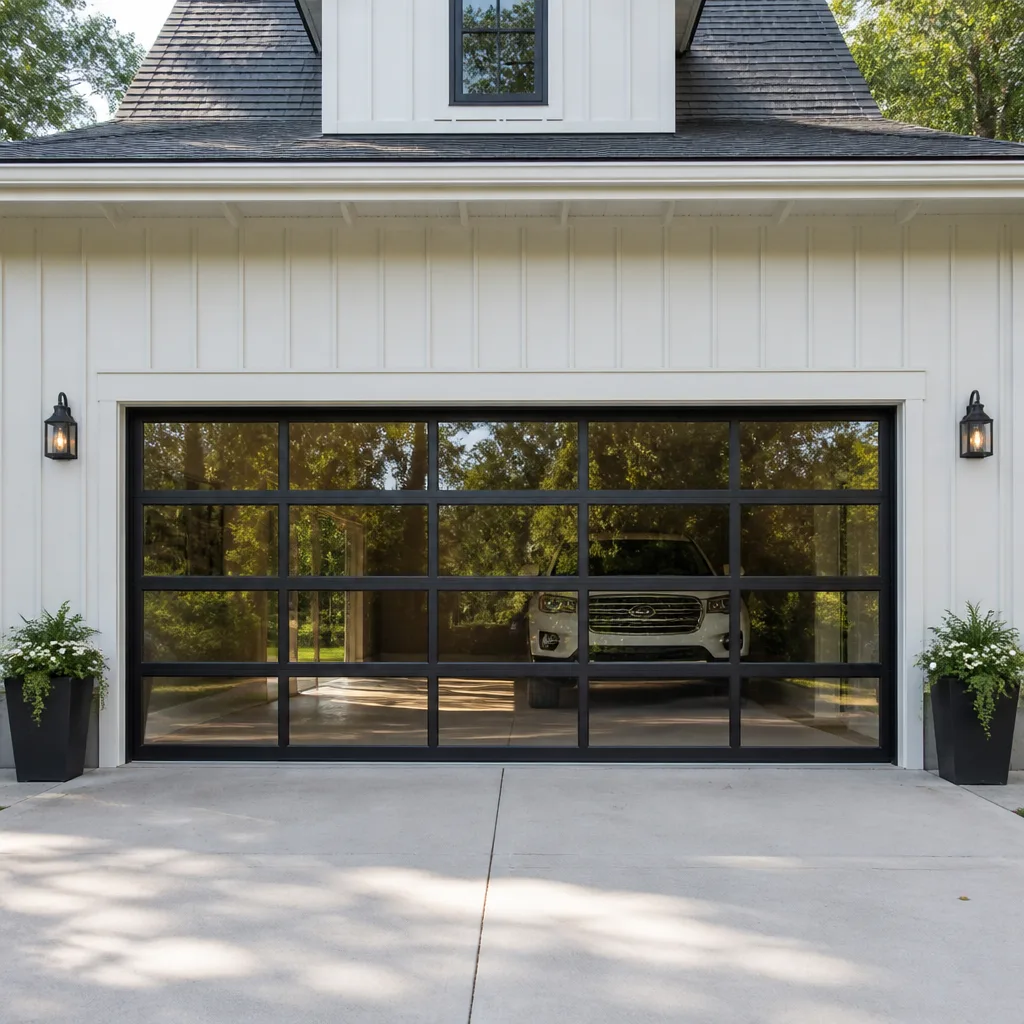 Full-view glass
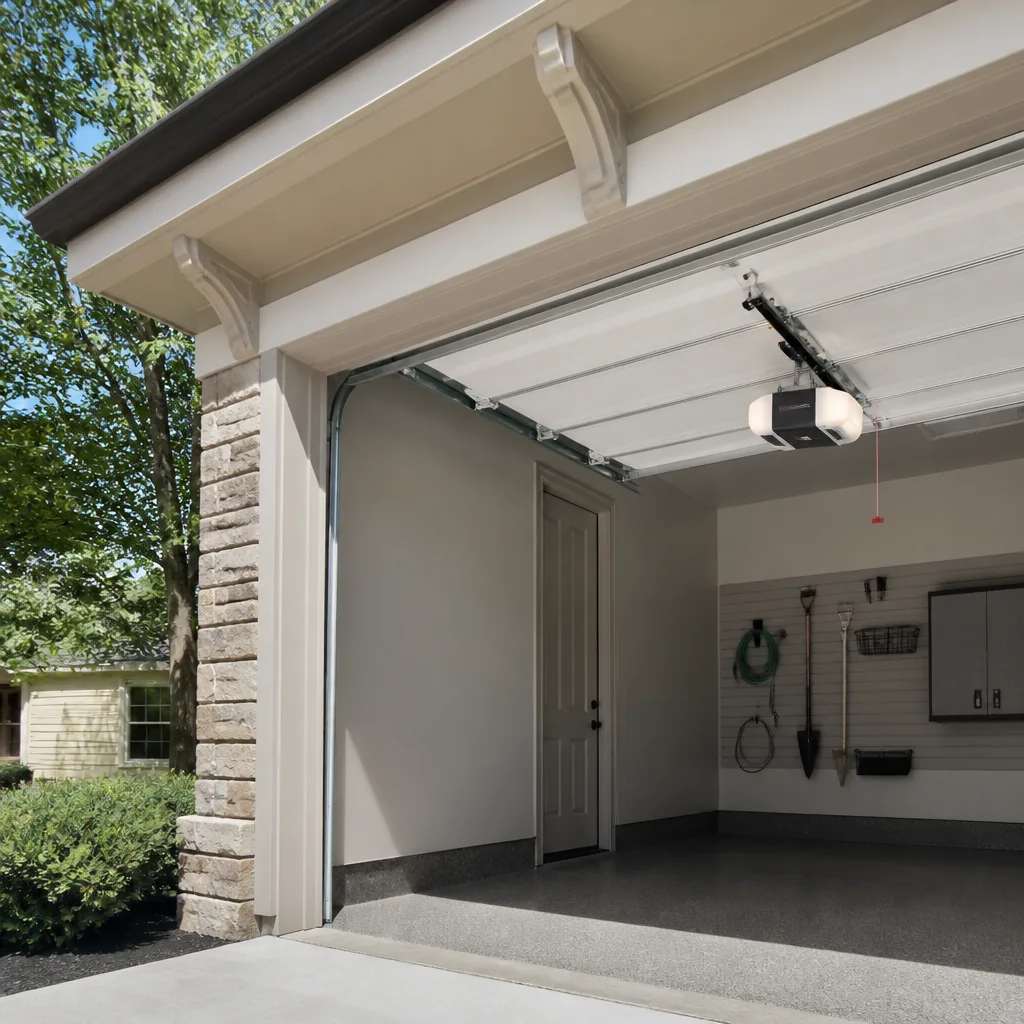 LiftMaster openers
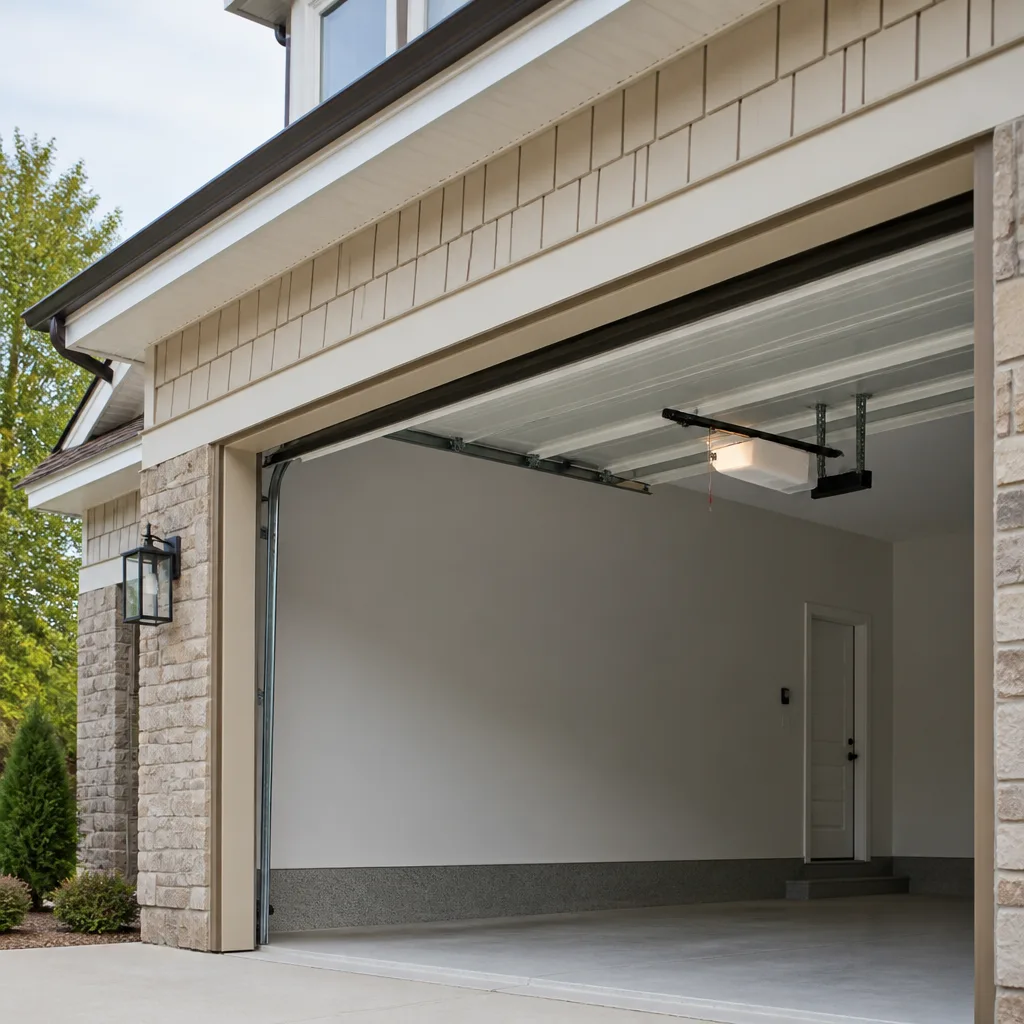 Chamberlain openers
Full 25-point door and opener safety check with every visit - springs, cables, rollers, tracks, and your LiftMaster or Chamberlain opener included
You get a price before we start. It does not change when the pro arrives.
Get your free estimateGarage Door Warning Signs: A Maple Grove Homeowner’s Reference Guide
A garage door that hesitates for two seconds before it moves isn’t “getting old.” It’s telling you the spring tension has drifted and the opener motor is quietly making up the difference, and that motor won’t compensate forever. Most of the warning signs homeowners describe as “unusual noises” or “acting weird” are actually specific mechanical complaints with specific causes. This guide is built to help you name what you’re hearing and seeing in Maple Grove, so you can tell a grinding torsion spring from a dying opener bearing, decide what can wait and what can’t, and communicate clearly when you call. We’ll walk through sounds, visual cues, the manual lift test, winter sluggishness, and the handful of signs that mean stop using the door today.
Quick Answer
The most serious garage door warning signs in Maple Grove are a door that reverses on its own, a loud bang followed by a door that won’t lift, visible gaps or heavy rust along the torsion spring, and a door that slams shut instead of lowering under control. Those point to spring or balance failure and mean stop using the door. Grinding, squealing, and a slow morning start are usually less urgent but still worth a look.
- A snapped or unbalanced spring makes the door dangerous and unpredictable. A trained technician should assess it.
- A door that lurches, reverses, or drops fast means the springs are no longer balancing the door’s weight correctly.
- Sluggish movement only in cold weather often points to a stiff bottom seal, not a failing opener.
Styles & brands we work with
- Raised-panel steel
- Carriage house
- Modern flush
- Full-view glass
- LiftMaster openers
- Chamberlain openers
Table of Contents
- What Each Sound Is Telling You: A Sound-to-Component Map
- Reading Your Torsion Springs From the Floor, Safely
- The Manual Lift Test: 30 Seconds That Reveal Spring Health
- Why Your Door Is Slow on Cold Maple Grove Mornings
- “Schedule Soon” Signs vs. “Stop Using It Today” Signs
- Opener Warning Signs vs. Door Warning Signs
- Visual Clues Around Panels, Hinges, and Tracks
- How to Decide What to Do Next
What Each Sound Is Telling You: A Sound-to-Component Map
This is the part most guides skip. They tell you your door is “making noise” and leave it there. The truth is that the type of sound narrows the cause fast, and knowing the difference saves time and money when you call. Here’s how we map the common sounds to the parts that produce them.
- Grinding is usually metal-on-metal contact. On older doors it’s often worn rollers or dry, failing bearings in the hinges and end plates. If it’s coming from the opener head, it can mean gear wear inside a unit. A Craftsman or LiftMaster opener that grinds on the way up and down often has a worn drive gear.
- Popping is the signature of torsion spring trouble. When a torsion spring winds or unwinds unevenly, it can release in small pops instead of turning smoothly. It can also come from a cable jumping its drum. Either way, popping at the spring is a reason to stop and have it looked at.
- Squealing is friction noise. Metal rollers that need lubrication, weatherstripping dragging on the frame, or a bent track can all squeal. It’s usually the least urgent sound but the easiest to fix before it turns into wear.
- A single loud bang is the classic torsion spring break. If you hear it, the door may still move because the opener lifts it, but the springs are no longer doing their job. Stop using the door.
- Rattling is loose hardware, worn hinges, or a door that’s slightly off balance and vibrating as it travels.
In Maple Grove, where garages take the full swing of a real Minnesota winter, noisy hardware is common simply because cold stiffens lubricants and contracts metal. That’s why a sound that appears only in January is worth a different response than the same sound in July. If you can tell us at the time of the call that the noise is “a pop at the spring at the top” versus “a grind along the side track,” the diagnosis starts the moment we arrive. We work on LiftMaster, Chamberlain, Genie, Clopay, Amarr, Wayne Dalton, Craftsman, and Raynor equipment, so the parts that produce these sounds are ones our technicians handle regularly. If you’d like a trained eye on the actual culprit, we handle garage door repair across Maple Grove and can take a look.
Reading Your Torsion Springs From the Floor, Safely
You can learn a lot about a torsion spring without touching it. Torsion springs mount on the shaft above the door, so a homeowner can stand back on the garage floor and study them safely. Never reach up, adjust, or try to unwind a spring yourself. Springs hold enormous stored energy, and the hardware that controls them can move violently when disturbed. This is exactly the job trained technicians exist for.
What to look for from the floor
- A visible gap in the coil is one of the clearest signs of a break. Look along the full length of the spring for a section where the coils separate or the wire ends look freshly separated.
- Rust concentration matters less for its color and more for what it signals. Heavy rust around the coils can indicate the spring has been under strain, has dried out, or is nearing the end of its cycle life.
- Deformation shows up as a spring that looks stretched, sagging, or unevenly wound. A healthy torsion spring winds clean and tight. One that looks warped or has coils that no longer sit flat is asking for attention.
- Mismatched springs are common on doors that have been repaired once before. A pair of springs that don’t look identical in size, coil count, or paint color may have been replaced one at a time, which usually means the door isn’t balanced.
Maple Grove garages see freeze-thaw cycles that push moisture into the garage and pull it back out. That cycling rusts springs, cables, and hinges faster than a mild climate would, which is another reason a visual check each spring is worth the habit. A visual check never replaces a proper inspection, but it’s the difference between noticing a problem and being surprised by one. When a spring looks tired, our garage door spring repair team can confirm whether it’s ready to be replaced and handle it, because spring work is one of the most dangerous and mechanism-precise jobs on the door.
The Manual Lift Test: 30 Seconds That Reveal Spring Health
The manual lift test is the single best homeowner check there is, and it takes about half a minute. It measures whether your springs are still doing their half of the lifting. Springs are supposed to balance the door’s weight so the opener only nudges it. When they weaken, the opener does more and more of the work until something gives. You can test that balance safely with the door disconnected from the opener.
How the manual lift test works
- Close the door fully.
- Pull the red emergency release handle straight down to disconnect the opener trolley from the door. Do this with the door closed, not open, so the door can’t drop unexpectedly.
- Stand to one side and lift the door by the bottom edge, straight up, to about waist or chest height.
- Let go gently and watch.
- A properly balanced door should stay where you leave it, roughly mid-travel. A door that drops quickly or feels extremely heavy to lift has springs that are losing tension or have failed.
- Reconnect the opener by pulling the trolley back toward the door until it clicks into the door arm, then test the opener cycle.
What you’re feeling for is effort and the return. If the door feels like dead weight and falls the moment you let go, the springs are near or past failure. If the door rises on its own and won’t stay down, the springs are over-tensioned or too strong for the door. Neither is a condition you want to keep living with. When a door fails the lift test, the safe move is to stop using the automatic opener and arrange an inspection, not to keep cycling the door while the springs limp along. Maple Grove homes with heavier insulated doors are especially worth the test, because they hide the extra strain until a spring lets go. Knowing how your opener behaves after this test also helps, so if you notice the opener straining to keep up, our garage door opener repair service can check whether the motor is being asked to compensate for tired springs.
Why Your Door Is Slow on Cold Maple Grove Mornings
This is a common misdiagnosis. A door that’s sluggish on a cold morning often gets blamed on the opener, and the homeowner starts shopping for a new one. Usually the opener is fine. What’s happening is the bottom seal and weatherstripping. Cold stiffens the rubber seal, it drags harder along the concrete, and the door needs more force to move it. The same door that rolls easily in July fights the floor in January. Add cold-thickened grease in the rollers and hinges, and a door that felt smooth in the fall suddenly grinds in the morning.
What to check before blaming the opener
- The bottom seal: if it’s stiff, cracked, or flattened, it will drag. A worn seal also lets in drafts and, in Maple Grove, cold air and meltwater.
- Temperature only: if the door’s slow only in cold weather and normal once the garage warms, the seal and lubrication are the suspects, not the motor.
- The opener’s behavior after warm-up: if the opener still strains when the garage is warm, or if it reverses on the way down, that’s a real opener signal worth checking.
- Lubrication timing: a garage that sees a hard freeze deserves a lubrication habit before the season turns, not after the door starts dragging. Cold-stiffened hardware is easiest to prevent.
We see this pattern all over Maple Grove, and the fix is usually a seal and a proper lubrication of the hinges, rollers, and operator, not a motor replacement. Feeling for stiffness at the bottom of the door is a quick test: run your hand along the seal and see whether it’s still pliable. If it’s hard and brittle, that’s your slow morning. A real warning sign is a door that lurches or jumps as the seal releases. That sudden release can be the opener compensating for the seal, and continued compensations wear the opener’s gear and motor. A free estimate will tell you which one you’re facing.
“Schedule Soon” Signs vs. “Stop Using It Today” Signs
Not every warning sign is an emergency, and treating them all the same is how homeowners either panic or underreact. The clearest way to sort them is by what happens if the component fails while the door is moving. If failure just makes noise, you can schedule. If failure drops a door, that’s a stop-using-today matter. Here’s the split we use in Maple Grove.
Signs you can schedule soon
- Squealing or squeaking along the tracks
- A rattling door when it moves
- A slow, hesitant start in cold weather
- A single slow-moving panel or one that looks slightly out of line
- A bottom seal that’s stiff but not completely failed
Signs to stop using the door today
- A loud bang followed by a door that won’t lift or that feels extremely heavy
- Any visible gap or break in a torsion spring
- A door that reverses on its own while closing
- A door that slams shut instead of lowering smoothly under control
- A door that comes off one track or hangs crooked
- An opener that runs but the door doesn’t move
When you land in the “stop using it today” category, the safest option is to disconnect the opener, leave the door closed, and call. Disconnecting using the red release handle is safe when the door is closed. Don’t try to force a door that’s holding with a broken spring, and don’t try to unwind anything. Springs can hurt people, and the exact job of trained technicians is to take the tension off safely. We’ve built our work around that reality, because in our experience the door that gets forced after a warning sign is the one that goes from a one-spring job to a full-hardware job. Emergency garage door service is a core offering for us, not an upsell. When your door stops, we move.
Opener Warning Signs vs. Door Warning Signs
Half of all “my door is acting up” calls turn out to be an opener question, and half are door mechanics. They produce different symptoms, so watch for which side the trouble is really on. Getting this right early can save you from replacing a perfectly good opener, or from ignoring a motor that’s on its way out.
Opener warning signs
- The motor runs, but the door doesn’t move
- The door reverses immediately after touching the floor, or reverses partway down
- The opener’s light blinks in a pattern, or the opener beeps and refuses to cycle
- The remotes work from far away one day and not at all the next
- Straining, grinding, or a burning smell near the opener head
Door warning signs
- The door feels heavy when you lift it by hand
- The door drifts down or won’t stay up when released
- One side of the door rises before the other
- A panel or track looks bent, rusty, or out of line
- Rollers or hinges are visibly worn or noisy
A Craftsman or Chamberlain opener with a blinking error pattern is often telling you a sensor or safety-reverse issue is blocking it, while a Raynor or LiftMaster door that feels heavy is a spring balance issue. That’s the practical value of knowing 8 major brands and their opener lines: our technicians know what a given model is trying to tell us, so they diagnose the problem in a smarter, faster way. Maple Grove homes run every opener brand, and a well-meaning neighbor’s “just replace the opener” advice is sometimes right and sometimes expensive. Let the symptom point to the part. Some doors carry one real problem and one false alarm, and the free estimate is where we sort it out.
Visual Clues Around Panels, Hinges, and Tracks
Visual wear is the slow, quiet category. It doesn’t announce itself with a sound, but it’s the easiest type of warning sign to spot if you know where to look. Walk around the door once a season, and you’ll catch most of these.
- Gaps at the bottom corners after the door closes can mean a bent bottom panel, a worn seal, or a door sitting crooked on its tracks.
- Rust streaks running down a panel usually start at a hinge or roller bracket. Rust behind a hinge spreads to the panel if it’s ignored.
- Track alignment: stand at the center of the door and look down a track like you’re sighting a rifle. It should look straight. If you see a kink or a bend, the door is riding a crooked rail.
- Loose or missing bolts on the hinges and brackets are simple to overlook and worth checking.
- Panel cracking near the bottom or around the handle is a sign the panel is flexing more than it should be.
In Maple Grove, salted roads track into the garage on the tires, and that salt-laden moisture finds hinges, rollers, and track fasteners. It won’t corrode like a coastal climate, but the winter road treatment carries its own load. A quick visual pass in spring catches what the cold season left behind. If your door falls into the category of a bent panel, a warped track, or a door that needs replacement rather than repair, we handle full installations as well, so one call covers the whole problem instead of sending you to a different trade halfway through.
How to Decide What to Do Next
Once you’ve done the sound check, the visual look, and the manual lift test, you’re in a good position to decide. This is the part where homeowners often have what they need and don’t realize it yet. You don’t need to know how to fix anything. You need to know whether to schedule, watch, or stop.
- Was there a bang or a broken spring? Stop using the door. Disconnect the opener with the door closed and call.
- Does the manual lift test show a heavy or falling door? Stop using it. The springs are no longer safe to cycle.
- Is the sound at the spring? Treat it as a spring issue until a technician confirms otherwise, and don’t force it.
- Is the sound along the tracks, hinges, or rollers? Schedule it. Worn hardware is easier and cheaper to fix before it spreads.
- Is the door only slow in the cold? Check the seal. A seal and lubrication job may be all that’s needed.
- Is your opener straining to keep up? Have the balance checked before replacing the opener, because the springs are often the real cause.
The pattern to hold onto is that the danger lives with the springs, the balance, and the sudden failures. Almost everything else is a scheduling question. Maple Grove homeowners who understand that split avoid the panic of calling an emergency when they don’t need one, and avoid the mistake of living with a hazard because it “seemed okay” for a while. Our technicians have up to 8 years of experience in exactly this kind of inspection, and we can give you a clear, honest read on which category you’re in. The written estimate comes before any work starts, and the price is agreed before anything goes forward.
Common Mistakes to Avoid
- Ignoring a single loud bang. A bang at the garage is often the spring, and a door with a broken spring can still move on the opener until it suddenly doesn’t. The safe move is to stop using it and have it checked.
- Replacing an opener to fix a spring problem. A door that stays heavy in the manual lift test has a balance issue, not a motor issue. Put the money into the actual culprit.
- Trying to adjust a torsion spring yourself. Springs hold stored energy that can release in an instant. This is exactly the job trained technicians exist for.
- Confusing a slow cold morning with a bad opener. Maple Grove winters stiffen seals and thicken lubricant. Check the bottom seal before you shop for a motor.
- Ignoring rust on the hinges and track. Road salt finds its way into the garage and starts corrosion that spreads. Catch it early in spring.
- Keeping a door closed against a bent track. A crooked track stresses the whole door and the opener. Have it looked at before it becomes a bigger repair.
- Waiting for a sign to become a failure. A squeal or a rattle is a low-cost fix today and a bigger one after it wears through a part.
See the difference
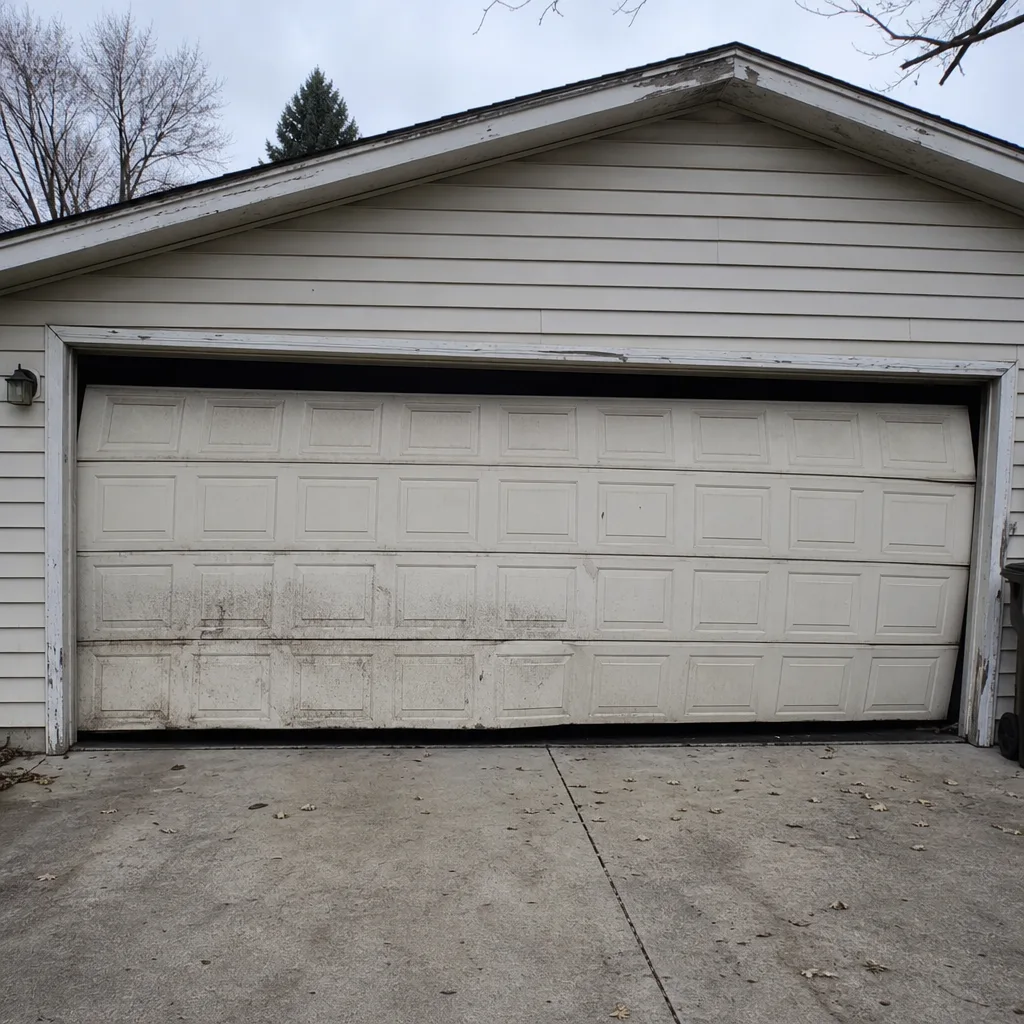 Before
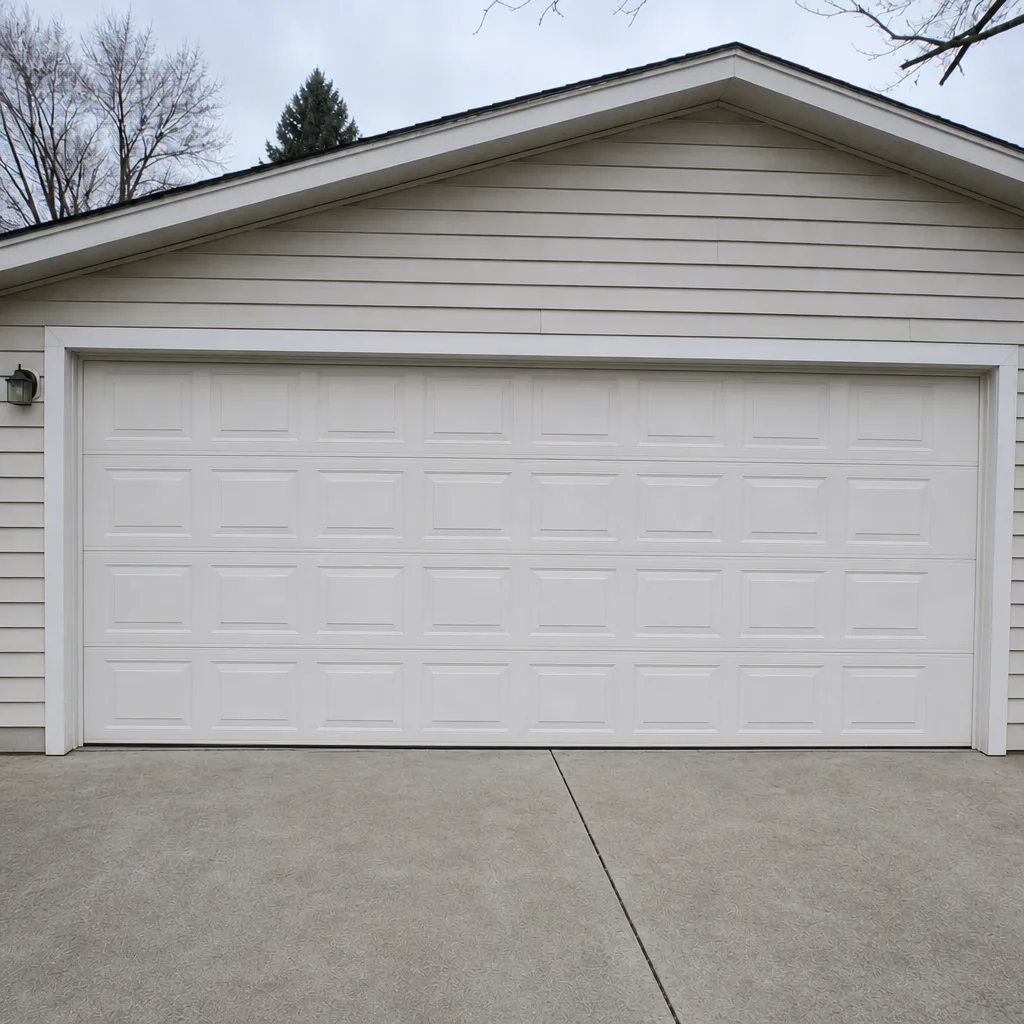 After
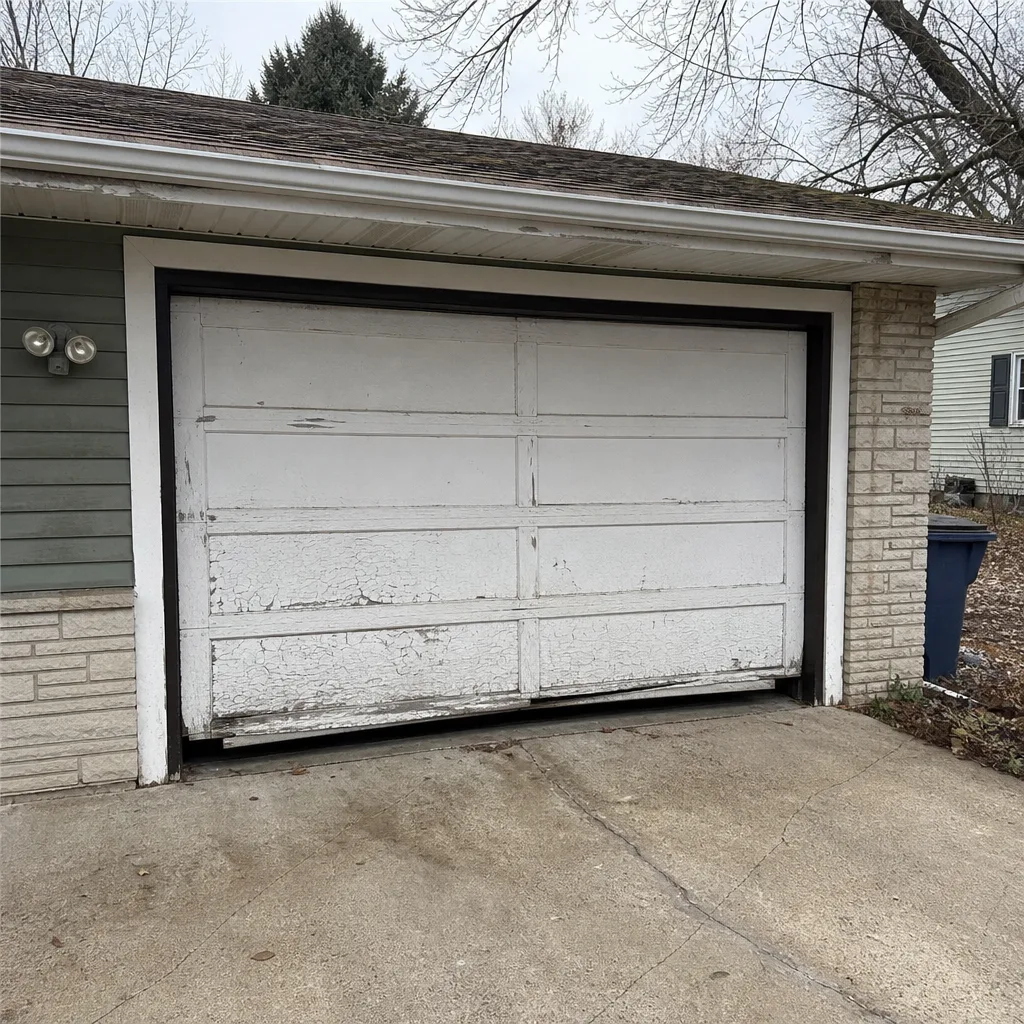 Before
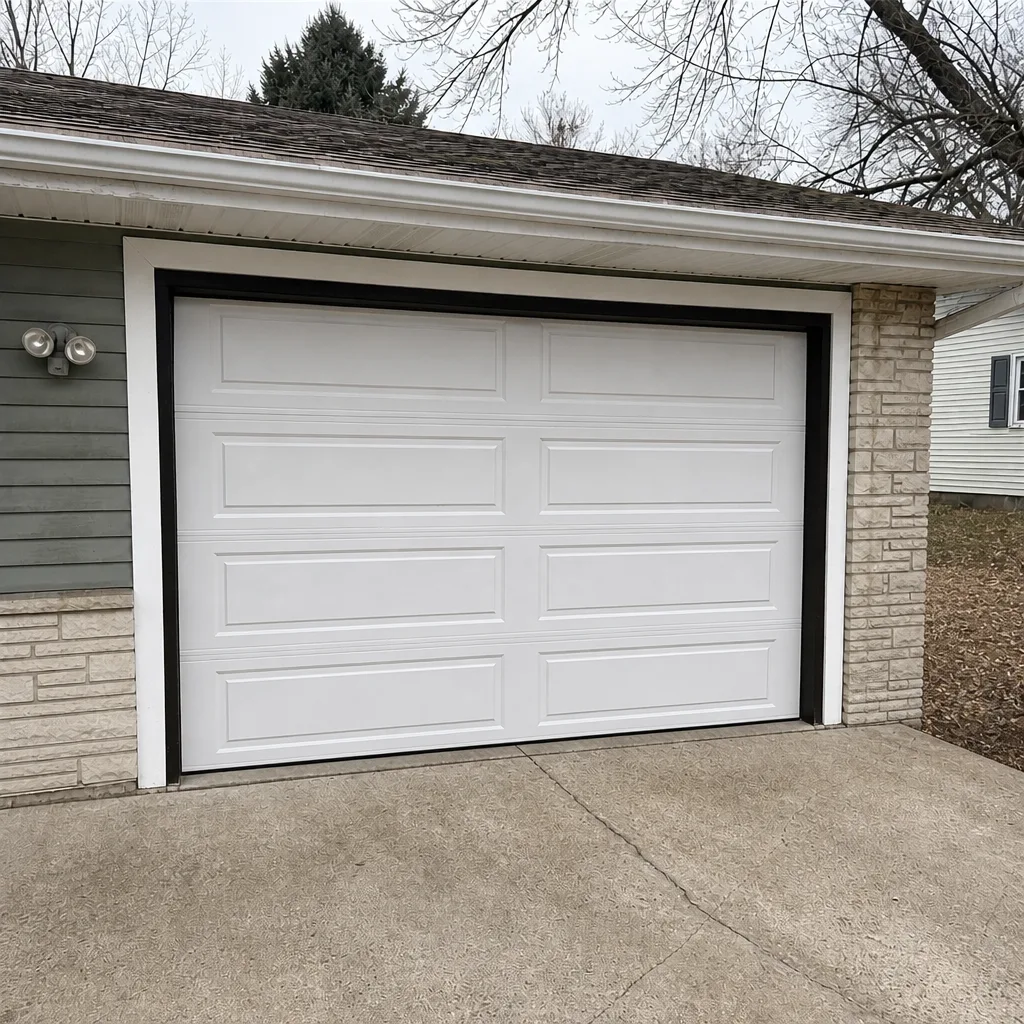 After
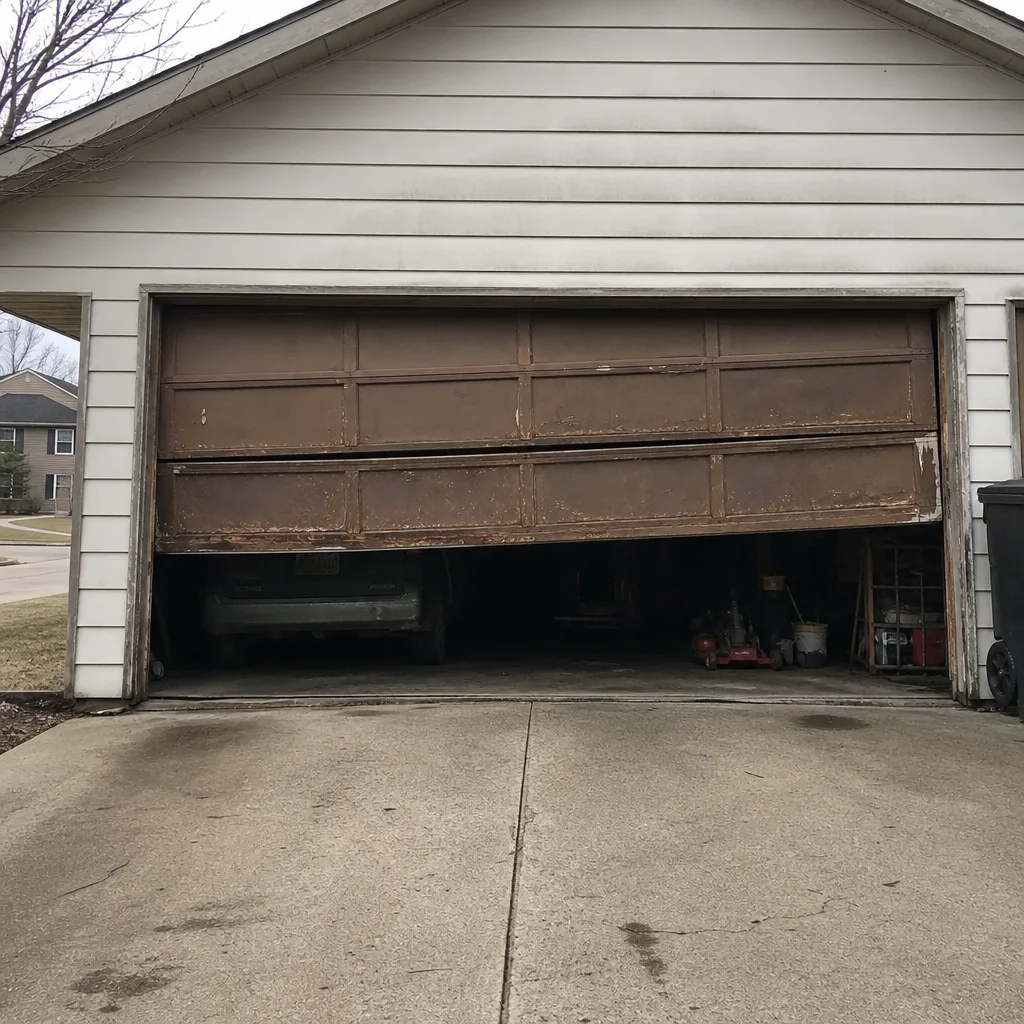 Before
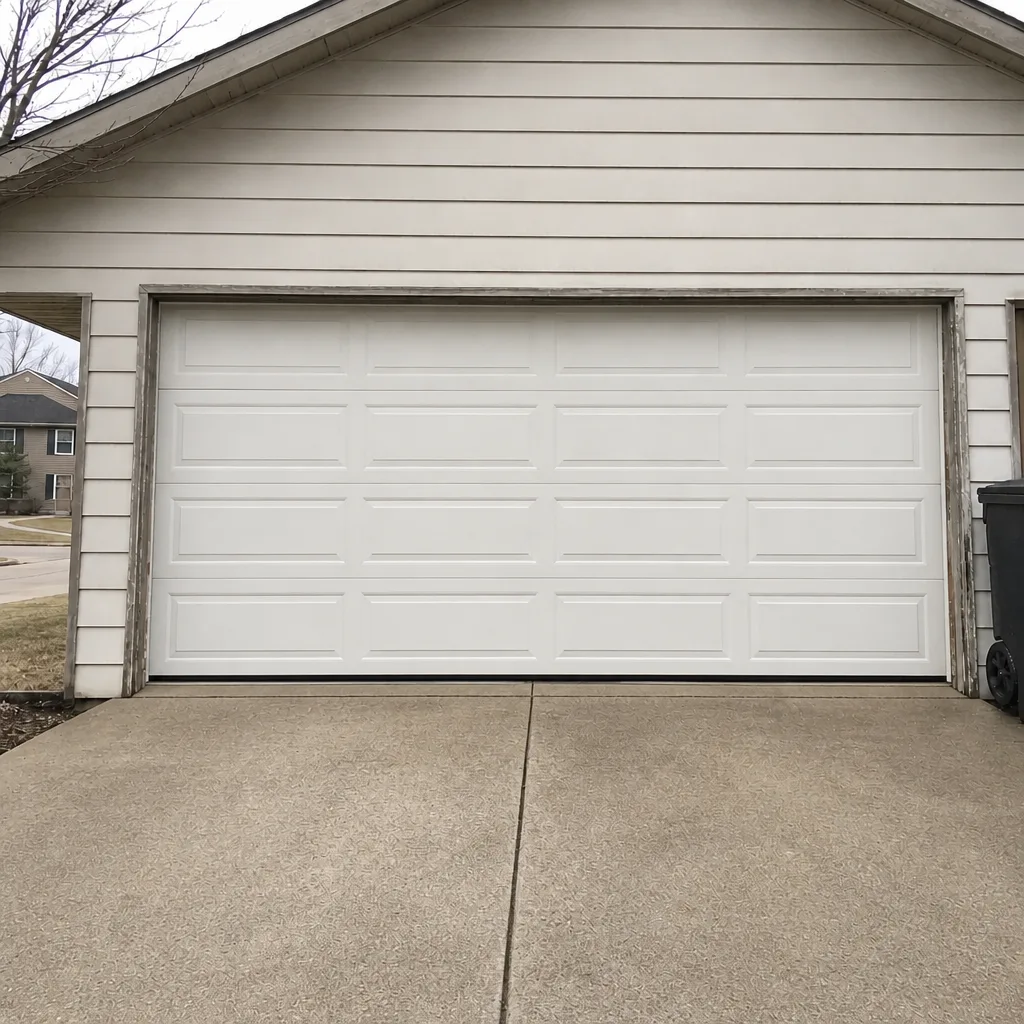 After
When to Call a Professional
Call a professional whenever a warning sign points to the springs, the balance, or any sudden loss of control. That means a bang, a visible spring gap, a door that reverses on its own, a door that slams, a door that hangs crooked, or one that feels heavy in the manual lift test. Call for a locked-in opener, a door that won’t fully close, or a track that’s visibly bent. Grinding, squealing, and a slow cold-weather start are reasons to schedule an inspection, not to panic. If you’re unsure which category you’re in, calling is cheaper than guessing. Maple Grove Garage Door Repair Pros offers free estimates in Maple Grove. Call (833) 902-7220 and we’ll help you sort which signs are urgent and which can wait.
Frequently Asked Questions
A door that reverses on its own, slams shut, or feels extremely heavy after a loud bang is the most dangerous signal, because it means the springs are no longer balancing the door. That condition can drop the door unexpectedly. Stop using the door, disconnect the opener with the door closed, and call a professional.
Yes, you can safely do the visual check and the manual lift test from the floor without touching the springs. The safest rule is never to adjust, wind, or unwind a torsion spring yourself. Visual checks and the lift test give you information; spring repair needs a trained technician. Call (833) 902-7220 for an in-person look at your springs.
Cold weather stiffens the bottom seal and thickens lubrication, so the door drags on the concrete and the hardware. The opener is usually fine. If the door is sluggish only on cold mornings and normal once warmed up, the seal and lubrication are the likely suspects, not the motor. Have it checked before considering an opener replacement.
A heavy door found in the manual lift test points to the door and springs. A blinking light, a beeping opener that refuses to cycle, or a door that reverses without resistance points to the opener. Sometimes both present together, which is why an in-person diagnosis matters. Our technicians know LiftMaster, Chamberlain, Genie, Craftsman, Raynor, and the door brands as well, so the symptom points to the right part.
No. Grinding usually means metal-on-metal wear in the rollers, bearings, or opener gear, and it only gets worse with use. Ignoring it turns a low-cost hardware fix into a larger repair. Schedule an inspection and keep the daily cycles low until it’s checked.
Do the sound check, the visual look, and the manual lift test so you can describe the symptom clearly. Note whether the door is slow only in the cold, whether the opener runs without moving the door, and whether you heard a bang. That detail makes the call faster. Then call (833) 902-7220 for a free estimate.
The Bottom Line
The warning signs on a garage door aren’t vague. A grinding sound points to metal wear, a pop points to springs, a cold-morning sluggishness points to the seal, and a bang followed by a heavy door points to spring failure. The single most useful habit is the manual lift test, because it tells you whether the springs are still balancing the door or the opener is quietly doing all the work. If your door falls into the stop-using-today category, don’t force it. Everything else can be scheduled and fixed before it spreads. Know the signs, and you’ll make a better decision than the person who waits or panics.
Our technicians have up to 8 years of experience with these symptoms, and we work on LiftMaster, Chamberlain, Genie, Clopay, Amarr, Wayne Dalton, Craftsman, and Raynor equipment every week. If a sign has you stumped, we can sort it out. Call (833) 902-7220 for a free estimate, and get the written price agreed before any work starts.
Learn more about Maple Grove Garage Door Repair Pros, and remember: fixed correctly, not just closed.
Written by the team at Maple Grove Garage Door Repair Pros.