Last updated November 21, 2026
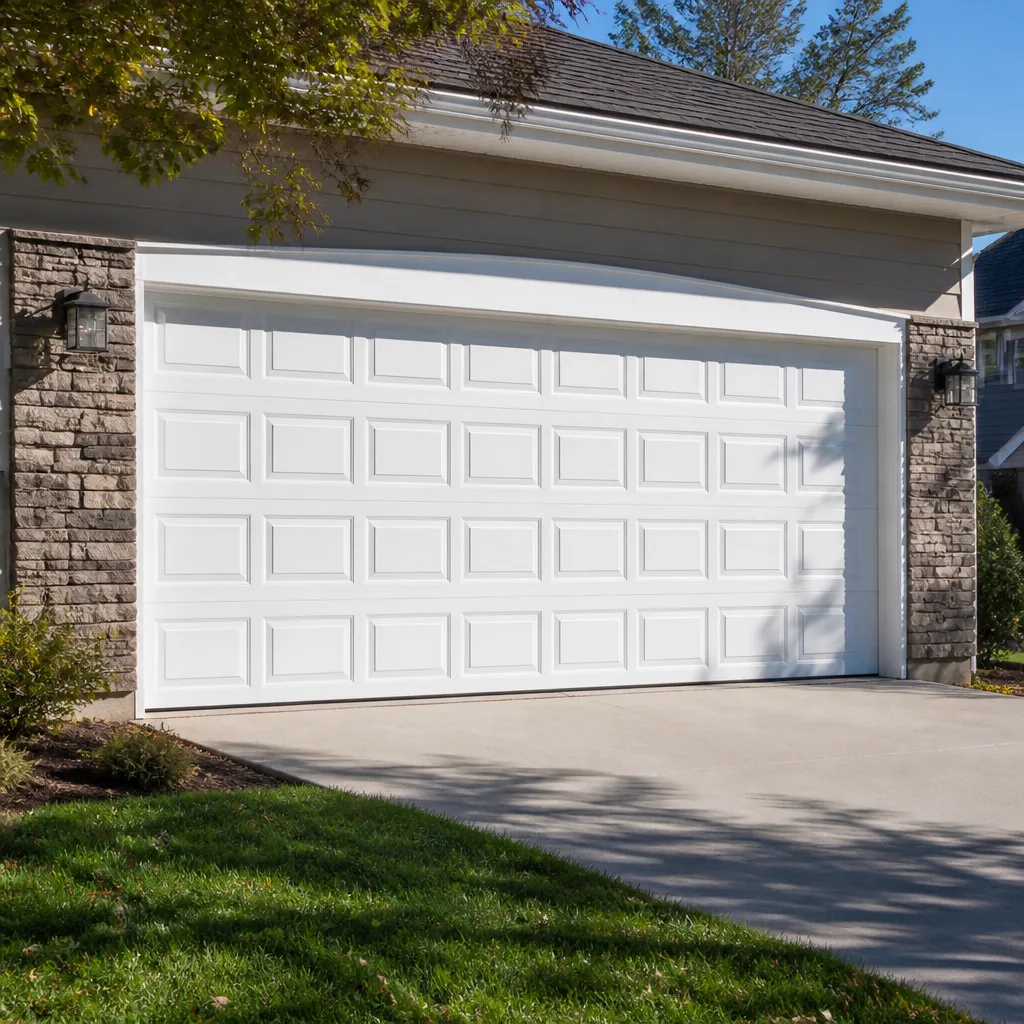 Raised-panel steel
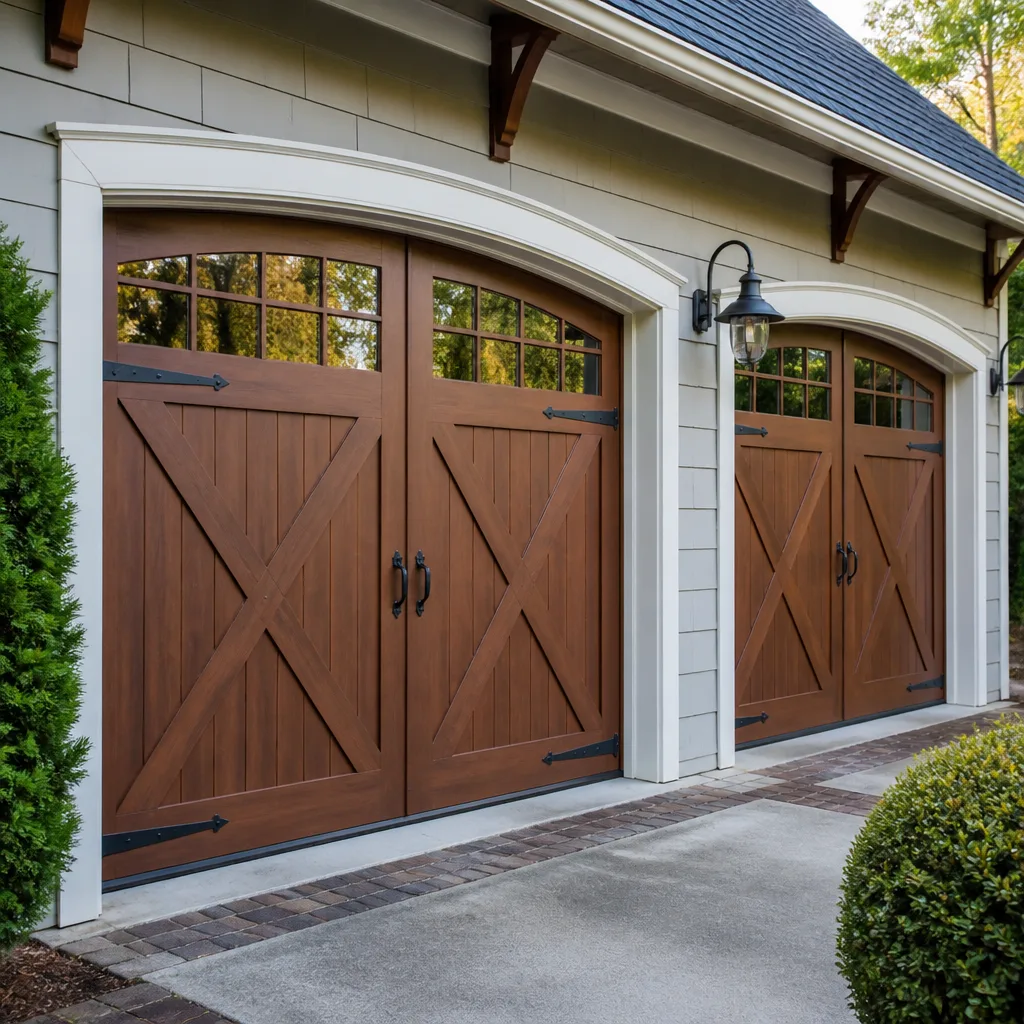 Carriage house
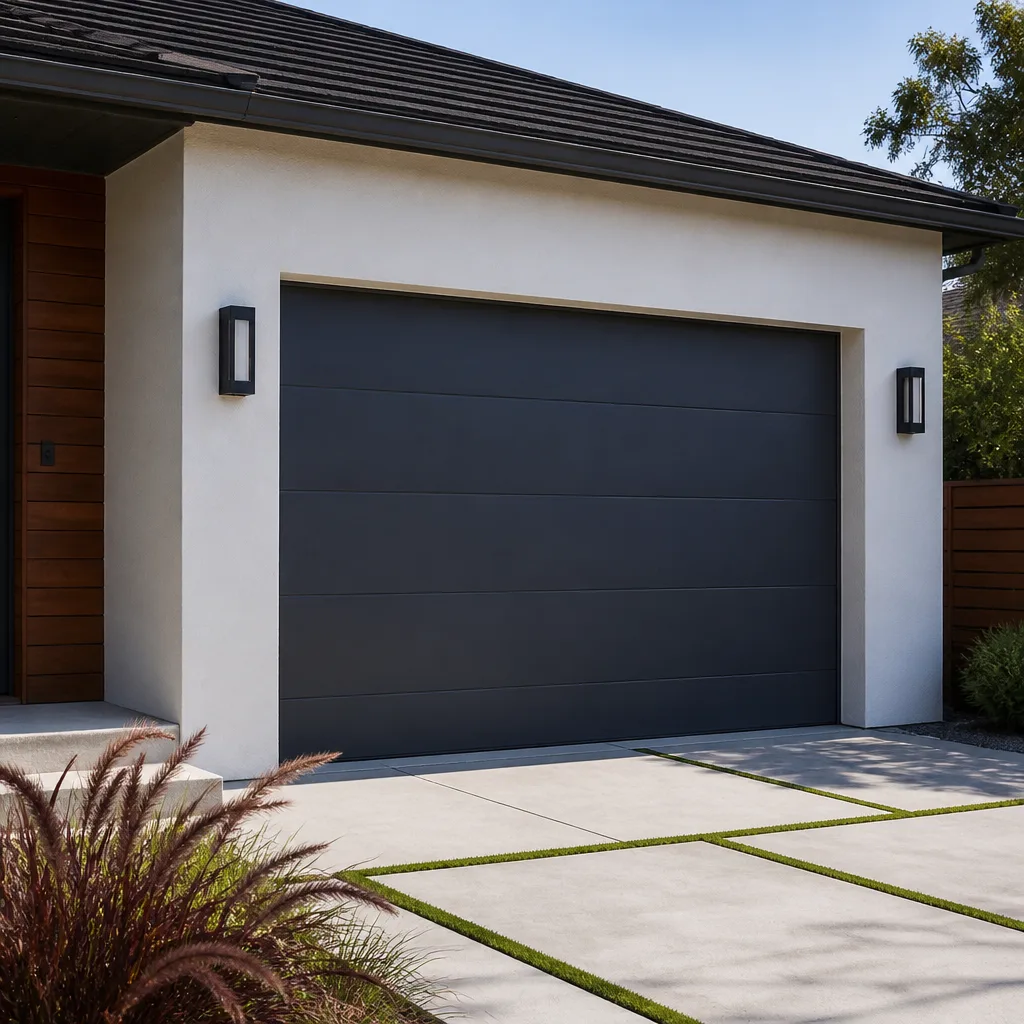 Modern flush
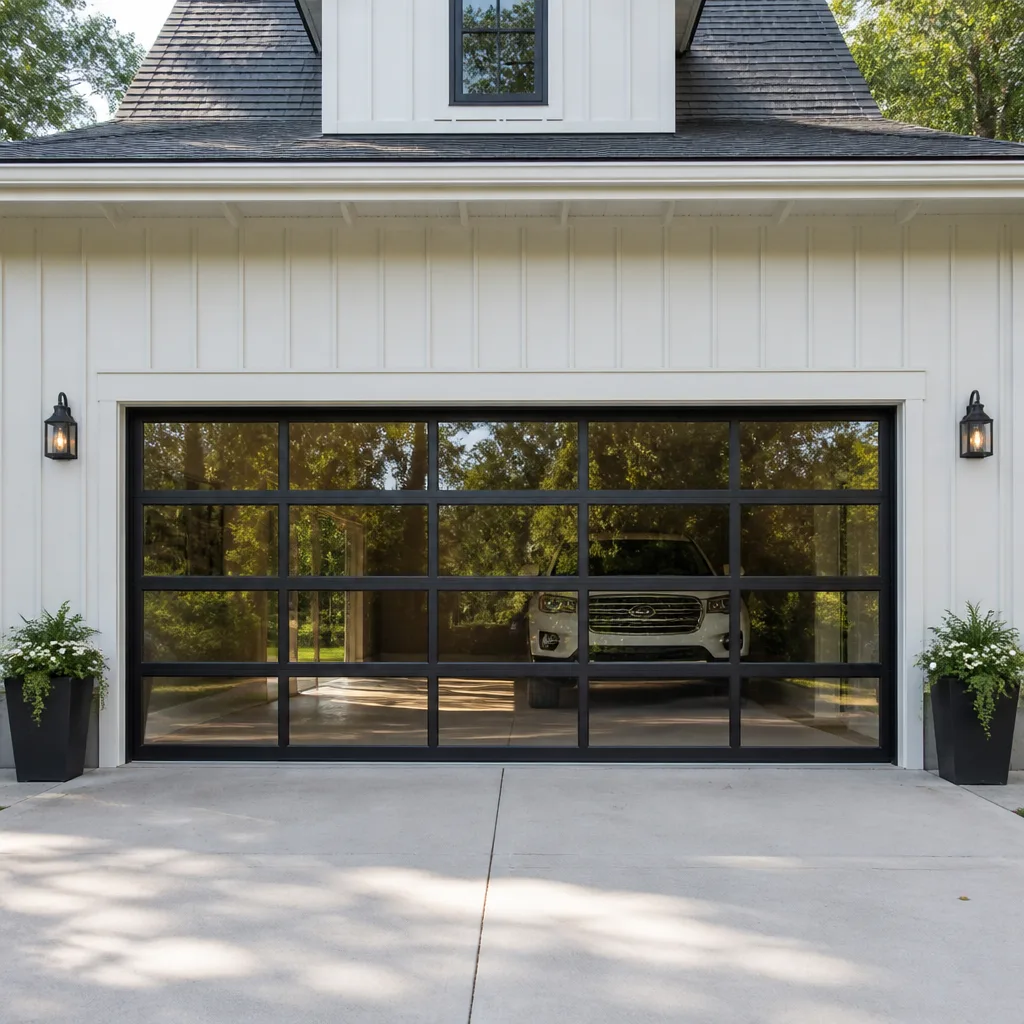 Full-view glass
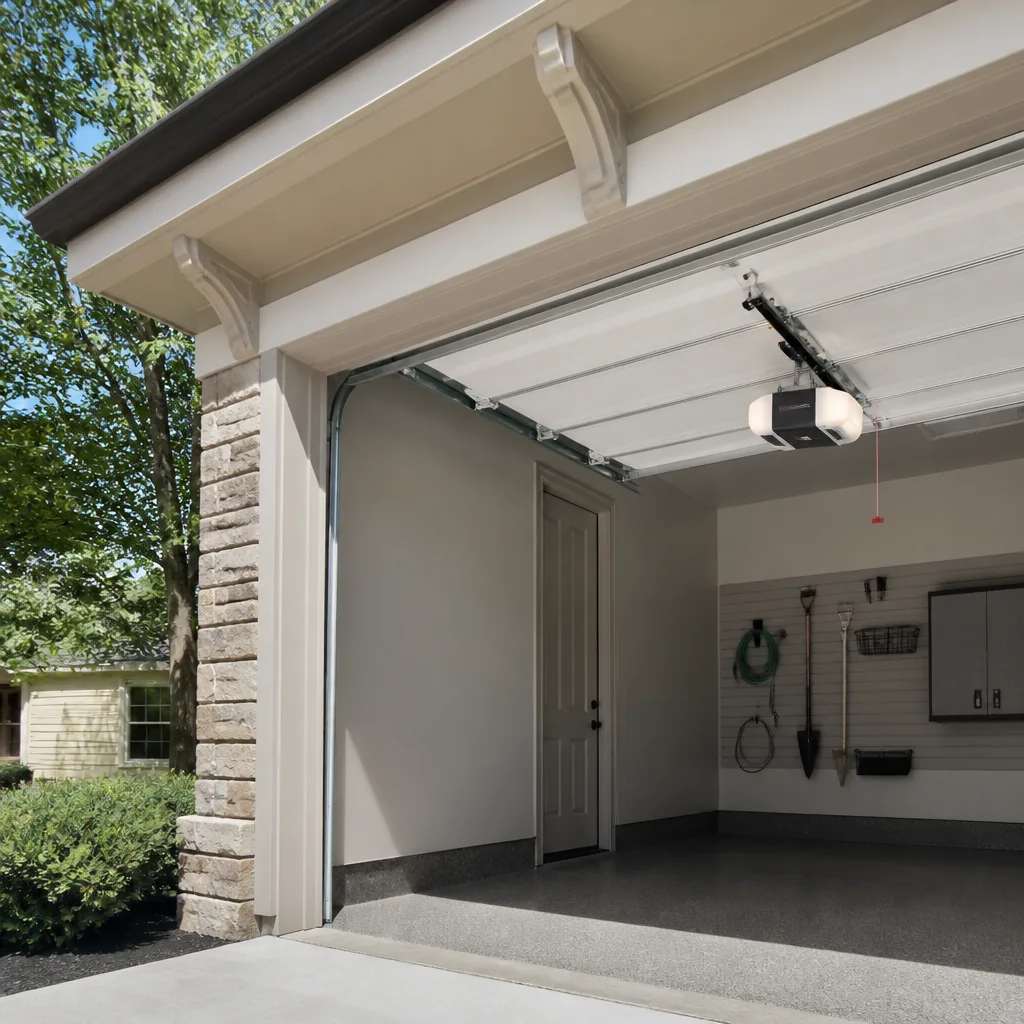 LiftMaster openers
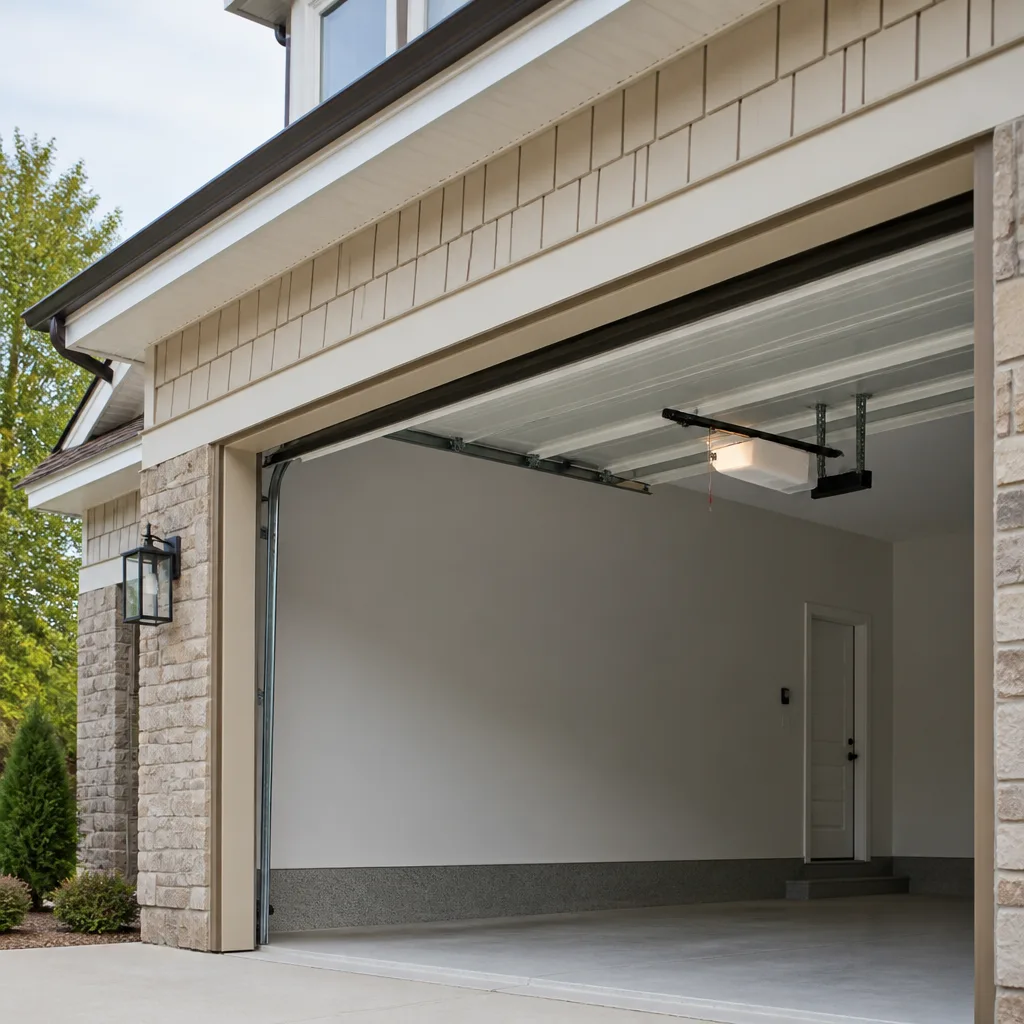 Chamberlain openers
Full 25-point door and opener safety check with every visit - springs, cables, rollers, tracks, and your LiftMaster or Chamberlain opener included
You get a price before we start. It does not change when the pro arrives.
Get your free estimateGarage Door Repair Maintenance Checklist for Maple Grove Homeowners
Most garage door advice you’ll find online was written for a climate that doesn’t freeze. A checklist built for mild winters tells you to “inspect annually” and “lubricate as needed,” which sounds reasonable until the first week of February, when the temperature in Maple Grove bottoms out and a torsion spring that was already tired chooses that moment to snap. The failure modes here are different, and so is the calendar that predicts them. In our experience, the calls that flood in during a cold snap are the ones a focused fall inspection could have caught months earlier. This guide sequences maintenance by the failures we actually see in Maple Grove, season by season, so you’re checking the right parts at the right time.
Quick Answer
A garage door maintenance checklist for Maple Grove should be organized by season rather than done once a year, because Minnesota’s temperature swings from summer heat to subzero cold put the most stress on springs, cables, and seals. The core tasks are a fall pre-winter inspection of torsion springs, bottom seals, and cable drums, cold-rated lubrication before the first freeze, a monthly opener force-sensitivity test, and a spring cycle-and-fray check twice a year. Done consistently, this routine catches the failures that turn into emergency calls in January and February.
Styles & brands we work with
- Raised-panel steel
- Carriage house
- Modern flush
- Full-view glass
- LiftMaster openers
- Chamberlain openers
Table of Contents
- Why a Seasonal Checklist Beats an Annual One in Maple Grove
- The Pre-Winter Inspection Protocol: Springs, Seals, and Cable Drums
- Lubrication That Works at -20°F (and What Gums Up)
- Reading Spring Wear and Cable Fraying Before They Fail
- The Opener Force-Sensitivity Test Most Homeowners Skip
- The Season-by-Season Checklist Calendar
- What You Should Never Adjust Yourself
- Brand-Specific Maintenance Notes
Why a Seasonal Checklist Beats an Annual One in Maple Grove
The advice to “inspect your garage door once a year” assumes the weather changes gently. Maple Grove doesn’t work that way. A door here cycles through summer heat that expands metal, a fall that swings between warm afternoons and freezing nights, a deep winter that holds below freezing for long stretches, and a spring thaw that brings moisture back into every seal and joint. Each of those transitions stresses a different part of the door, and each one arrives on a schedule you can plan around.
That’s the case for a seasonal checklist over an annual one. When you check everything once a year, you’re almost always checking at the wrong time for half the components. Torsion springs, for example, fail most often in the cold, so a spring inspection in July tells you little about how that spring will behave in January. A spring inspection done in October, when the metal is still warm enough to check carefully and the cold is still weeks away, gives you time to act before a failure.
The same logic applies to the bottom seal. In Maple Grove, the seal takes the brunt of road salt, snow pack, and freeze-thaw cycles that pull it away from the concrete. A seal that’s already cracked in November will let cold air and moisture under the door all winter, and the problem compounds. Checking it in fall, while you can still replace it comfortably, beats discovering it in a January cold snap.
We work on garage doors across Maple Grove all year, and the pattern is consistent: the doors that get a fall inspection rarely become emergency calls. The ones that don’t tend to fail at the worst possible moment. Building your maintenance around the local weather calendar, rather than a generic annual reminder, is the single change that matters most.
The Pre-Winter Inspection Protocol: Springs, Seals, and Cable Drums
The most important maintenance window in Maple Grove is the stretch before temperatures drop below 20°F for good. That’s your last comfortable chance to check the parts that fail in the cold. Do this inspection before the first hard freeze, and you’ll have time to schedule any repair without urgency.
Here’s the protocol, in order:
- Torsion springs. With the door closed, look at the spring above the door (the horizontal coil on the center shaft for most doors). Check for a visible gap in the coil, which means the spring has broken, and for a stretched or uneven coil, which signals it’s losing tension. Look at the color-coding on the spring end if it’s still visible; worn paint or rust at the coil means it’s aged. If the door feels unusually heavy when you lift it by hand a few inches, the spring is losing its lift.
- Bottom seal. Run your hand along the rubber seal at the bottom of the door. It should be pliable and sit flat against the floor. Cracks, hardness, or gaps at the corners mean cold air and moisture will get in all winter. Check that the seal isn’t torn where it meets the concrete.
- Cable drums. Look at the drums at each end of the torsion shaft and the cables that wind onto them. The cable should sit neatly in the grooves, not crossed or bunched. A cable that’s jumped the drum is a serious safety issue; stop using the door and call a technician.
- Hinges and rollers. Check that hinges move freely and rollers turn without grinding. A roller that’s seized in cold weather will drag and strain the opener.
- Track alignment. Look down the vertical and horizontal tracks. They should be straight and parallel. Any bend or gap where the door binds is worth a professional look.
- Weatherstripping around the frame. Check the trim seal around the opening. It should be intact and flexible; gaps let in snow and cold.
If any of these checks turns up a problem, schedule the repair before the cold sets in. A tired spring in October is a manageable repair; the same spring in February is a broken door and an emergency call. If you’d rather have a trained eye do the inspection, a garage door spring repair visit can confirm the condition of your springs and cables before winter.
Lubrication That Works at -20°F (and What Gums Up)
Lubrication is where generic checklists do the most damage. The wrong product doesn’t just fail in the cold; it makes things worse. In Maple Grove, where winter temperatures routinely drop below zero, you need a lubricant that stays fluid and protective at low temperatures, and you need to avoid the ones that turn to gum.
What works in the cold:
- White lithium grease on the torsion spring, hinges, and bearing plates. It handles cold well and stays put. Apply a light coat; more isn’t better.
- Silicone-based lubricant on the bottom seal and weatherstripping, to keep the rubber pliable so it doesn’t crack in the freeze.
- Light machine oil on rollers and hinges if the manufacturer specifies it; check your door’s manual, since some rollers are sealed and shouldn’t be oiled at all.
What gums up in the cold:
- Heavy grease or axle grease thickens at low temperatures and can make hinges and rollers drag, which strains the opener.
- WD-40 as a long-term lubricant. It displaces moisture and frees stuck parts, but it’s a solvent, not a lasting lubricant. It evaporates and leaves the moving parts dry. Use it to clean, then apply a proper lubricant.
- Graphite powder in wet, snowy conditions. It’s fine in a dry climate but can cake when it mixes with moisture and road salt tracked in on the door.
Lubricate before the first freeze, not in the middle of winter when the parts are already cold and stiff. A light application in October and again in early spring is a good rhythm for most doors in Maple Grove. When you’re applying lubricant, check that you’re not over-lubricating the tracks; tracks should be clean and dry, not greasy, because grease in the tracks attracts grit and causes binding.
Reading Spring Wear and Cable Fraying Before They Fail
Springs and cables are the parts that turn a maintenance issue into an emergency. Both fail progressively, which means there are usually warning signs months before the final break. Learning to read those signs is what separates a homeowner who plans a repair from one who calls in a panic.
Springs fail on a cycle count, not a calendar. Every open and close counts as a cycle, and a spring rated for a certain number of cycles will eventually reach it. You can’t measure cycles directly, but you can read the signs that a spring is near the end of its life:
- Visible gap in the coil. A clean break means the spring has failed; the door will be extremely heavy and should not be used.
- Stretched or uneven coil. The spring is losing tension. The door may still open, but it’s getting harder on the opener.
- Rust or corrosion on the coil. Rust weakens the steel and speeds failure. In Maple Grove, springs near the door opening see more moisture and salt, so check them first.
- The door feels heavy when lifted by hand. With the door closed, lift it a few inches. It should feel manageable; if it’s very heavy, the spring isn’t carrying its share of the weight.
Cables fail differently. Look for fraying (broken strands sticking out), kinks, or a cable that’s jumped off its drum. A frayed cable is a safety hazard and should be replaced before it snaps. Check the cable where it wraps around the drum and where it attaches to the bottom bracket, since those are the high-stress points.
Springs are under extreme tension, and a spring that’s been weakened by cold or rust can fail without warning. This is exactly the job trained technicians exist for, and it’s why we don’t recommend inspecting springs closely by hand or trying to adjust them. Look, note what you see, and let a professional handle anything that looks worn. If you need a trained assessment, our garage door repair service covers spring and cable evaluation along with the rest of the door.
The Opener Force-Sensitivity Test Most Homeowners Skip
This is the check almost nobody does, and it’s one of the most important. The opener’s force sensitivity is what tells it to reverse when the door meets an obstruction. If that setting is too high, the door can keep pushing down on a person, a pet, or an object instead of reversing. If it’s too low, the door reverses on its own and the motor works harder than it should, which leads to burnout. Either way, it’s worth testing.
Here’s how to do the test safely:
- With the door open, place a small object (a roll of paper towels or a piece of wood) on the floor in the door’s path.
- Close the door using the opener and watch what happens when it contacts the object. The door should reverse immediately.
- If the door keeps pushing down on the object, the force setting is too high. Stop and have it adjusted; this is a safety issue.
- Also test the photo-eye safety sensors at the bottom of the tracks. Break the beam with your leg while the door is closing; it should reverse. If it doesn’t, the sensors are misaligned or dirty.
Do this test monthly. It takes two minutes and it’s the difference between an opener that protects your family and one that doesn’t. If your opener is a LiftMaster or Chamberlain unit, the force adjustment is usually a dial or a set of screws on the back or side of the motor housing, but we recommend having a technician make the adjustment so it’s set correctly for your door’s weight. A garage door opener repair visit can test and set the force sensitivity along with the safety sensors.
While you’re at it, test the manual release. Pull the red cord with the door closed and confirm you can lift the door by hand. If it’s too heavy to lift, the springs are losing tension, which brings you back to the spring inspection. The manual release is your backup in a power outage, and it needs to work.
The Season-by-Season Checklist Calendar
Here’s the checklist organized by the Maple Grove weather calendar, so you’re doing each task when it matters most. Print it, keep it in the garage, and check tasks off as you go.
Fall (before the first hard freeze)
- Inspect torsion springs for gaps, stretch, and rust.
- Check cables for fraying and drums for crossed or jumped cable.
- Examine the bottom seal for cracks and gaps; replace if hard or torn.
- Lubricate springs, hinges, and bearing plates with white lithium grease.
- Apply silicone lubricant to the bottom seal and weatherstripping.
- Test the opener force sensitivity and photo-eye sensors.
- Test the manual release.
- Clean and inspect the tracks; tighten any loose bolts.
Winter (monthly)
- Test the opener force sensitivity and sensors once a month.
- Clear snow and ice from the bottom seal and the door’s path.
- Listen for new noises: grinding, squealing, or popping.
- Watch for the door reversing on its own.
Spring (after the thaw)
- Re-inspect springs and cables after the freeze-thaw cycle.
- Check the bottom seal for damage from snow pack and salt.
- Clean the tracks of grit and salt residue.
- Re-lubricate moving parts.
- Check hinges and rollers for wear from the winter.
Summer (mid-year check)
- Test the opener force sensitivity and sensors.
- Check spring tension and listen for new noises.
- Inspect the door panels for dents or damage from the season.
- Check the weatherstripping and trim for gaps.
This calendar is built around the failures we see in Maple Grove service calls, not around what’s easiest to write about. The fall inspection is the most important because it’s your last chance before the cold. The winter monthly test protects your family. The spring check catches freeze damage. The summer check keeps the door honest through the heat. Every task ties back to a part of the door that’s stressed by the local weather.
What You Should Never Adjust Yourself
Some maintenance is safe for a homeowner, and some isn’t. The line is clear: anything involving the torsion spring, the cables, or the bottom bracket is a job for a trained technician. Those components are under extreme tension, and a spring or cable that lets go can cause serious injury. We’d rather you call us for a free estimate than risk a hand or worse.
Specifically, don’t:
- Loosen or adjust the torsion spring or its winding cones.
- Touch a cable that’s under tension or that’s jumped its drum.
- Remove the bottom bracket that holds the cable.
- Loosen the set screws on the spring shaft.
- Try to “fix” a broken spring by tightening it.
What’s safe for you to do: visual inspection, lubrication, cleaning the tracks, testing the opener and sensors, and clearing snow. If you see anything that looks worn or broken on the spring-and-cable side, stop and call. The visual inspection you do is what lets a technician arrive knowing what to expect, which means a faster, more accurate repair. Our technicians have up to 8 years of experience with exactly these components, and we handle the repair so you don’t have to.
Brand-Specific Maintenance Notes
Your door and opener brands change what you check. We work on the eight dominant residential brands, and knowing the specific equipment speeds up diagnosis and means the right parts the first visit. Here’s what to keep in mind for a few of the most common in Maple Grove:
- LiftMaster and Chamberlain openers. Both use similar force-sensitivity adjustment dials or screws. Check the manual for your model, and pay attention to the safety sensor alignment; the lenses are small and easy to bump out of line.
- Genie openers. Some Genie models use a different force-test procedure, so follow the manual rather than a generic online guide. The safety sensors need periodic cleaning.
- Clopay and Amarr doors. These are common door brands in the area, and the panel and seal construction affects how you check the bottom seal. Clopay doors often use a specific seal profile; Amarr doors are worth inspecting for panel alignment in the freeze-thaw cycle.
- Craftsman openers. Older Craftsman units often need the force setting checked more often as the motor ages, and the manual release should be tested regularly.
If you’re not sure what brand you have, look for the label on the opener motor housing and on the inside of the door panel. If you’d rather not chase it down, we can identify the equipment during a service visit. Whether your door is a Clopay or an Amarr, a LiftMaster or a Genie, the maintenance tasks are the same; the brand just tells us what to expect when something needs repair.
Common Mistakes to Avoid
- Doing one annual inspection instead of a seasonal routine. In Maple Grove, the cold is what breaks things, so a spring check in summer tells you little. Time your checks to the weather calendar, not to a single yearly reminder.
- Lubricating with heavy grease or WD-40. Both fail in the cold. Heavy grease thickens, and WD-40 evaporates and leaves parts dry. Use white lithium grease or a silicone lubricant rated for low temperatures.
- Greasing the tracks. Tracks should be clean and dry. Grease in the tracks attracts grit and salt, which causes binding. Clean them, don’t lubricate them.
- Skipping the force-sensitivity test. It’s the check most homeowners never do, and it’s the one that prevents entrapment injuries and motor burnout. Test it monthly.
- Ignoring the bottom seal. A cracked seal in November means cold air and moisture all winter. Check it before the freeze and replace it while it’s still warm enough to work outside.
- Assuming a quiet door is a healthy door. Springs and cables fail progressively and often silently. A visual inspection catches wear that a quiet operation hides.
- Trying to adjust the spring yourself. This is the most dangerous mistake on this list. A torsion spring under tension can cause serious injury. Leave it to a technician.
See the difference
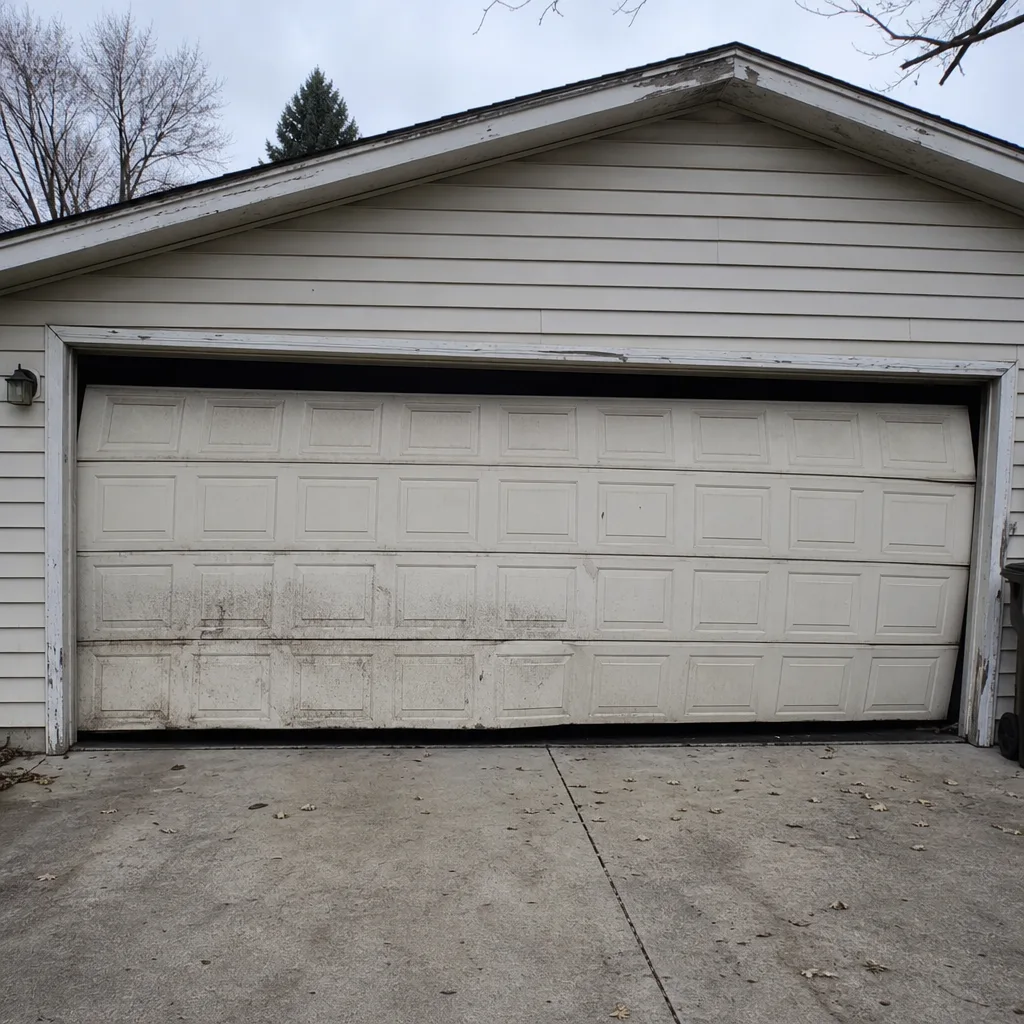 Before
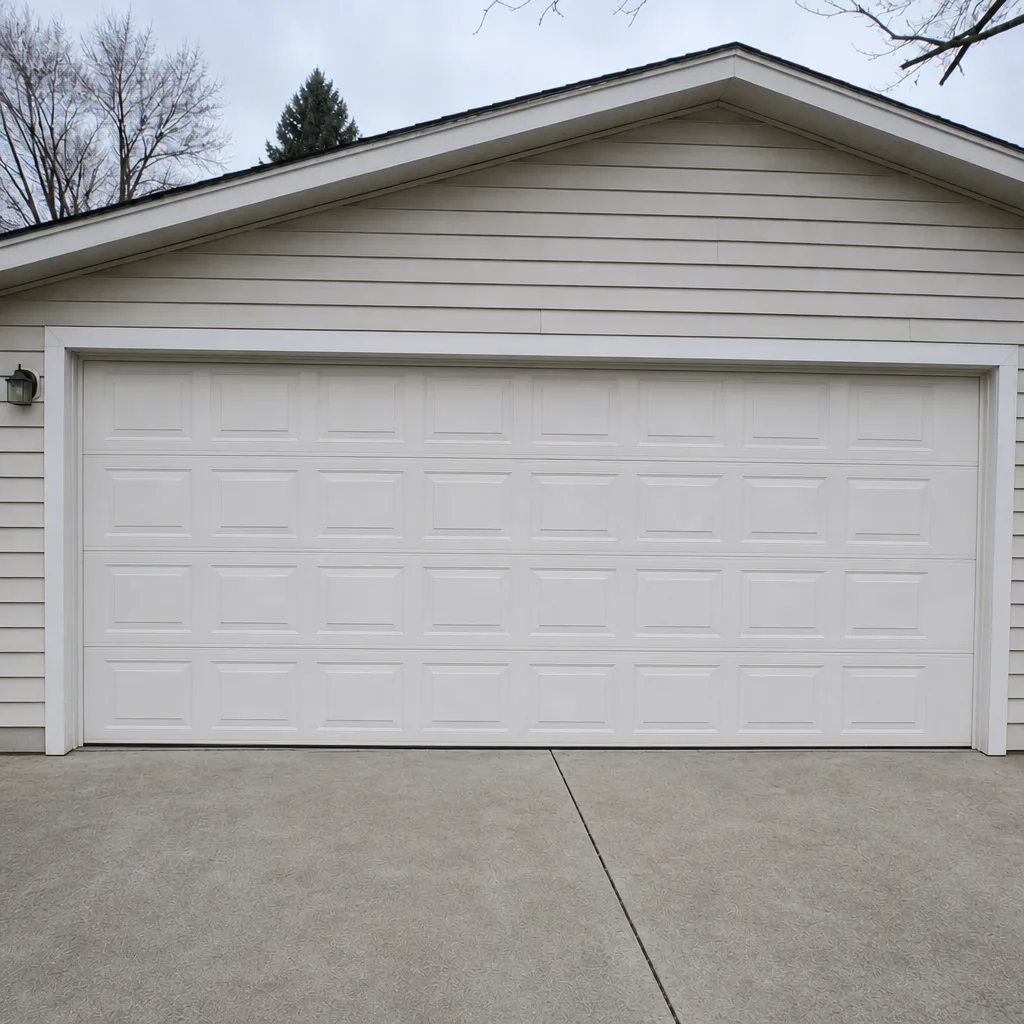 After
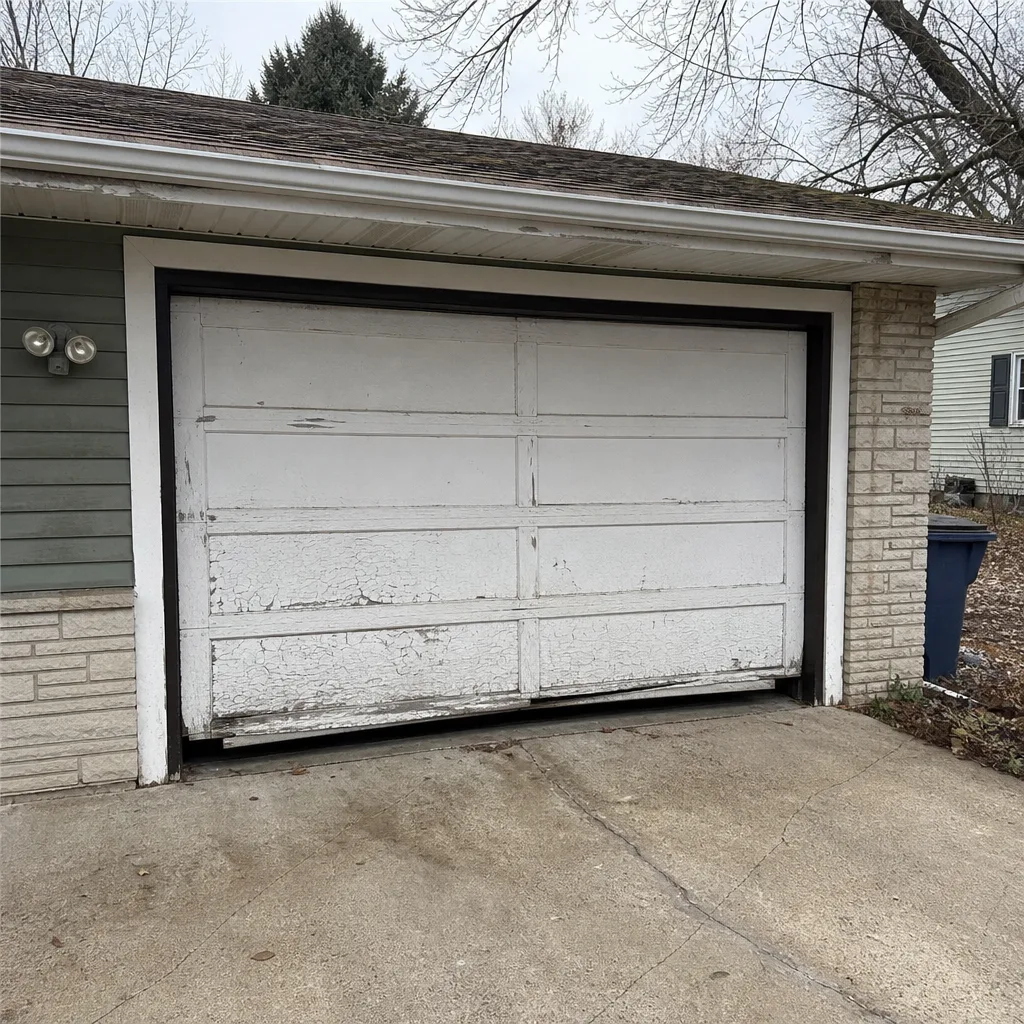 Before
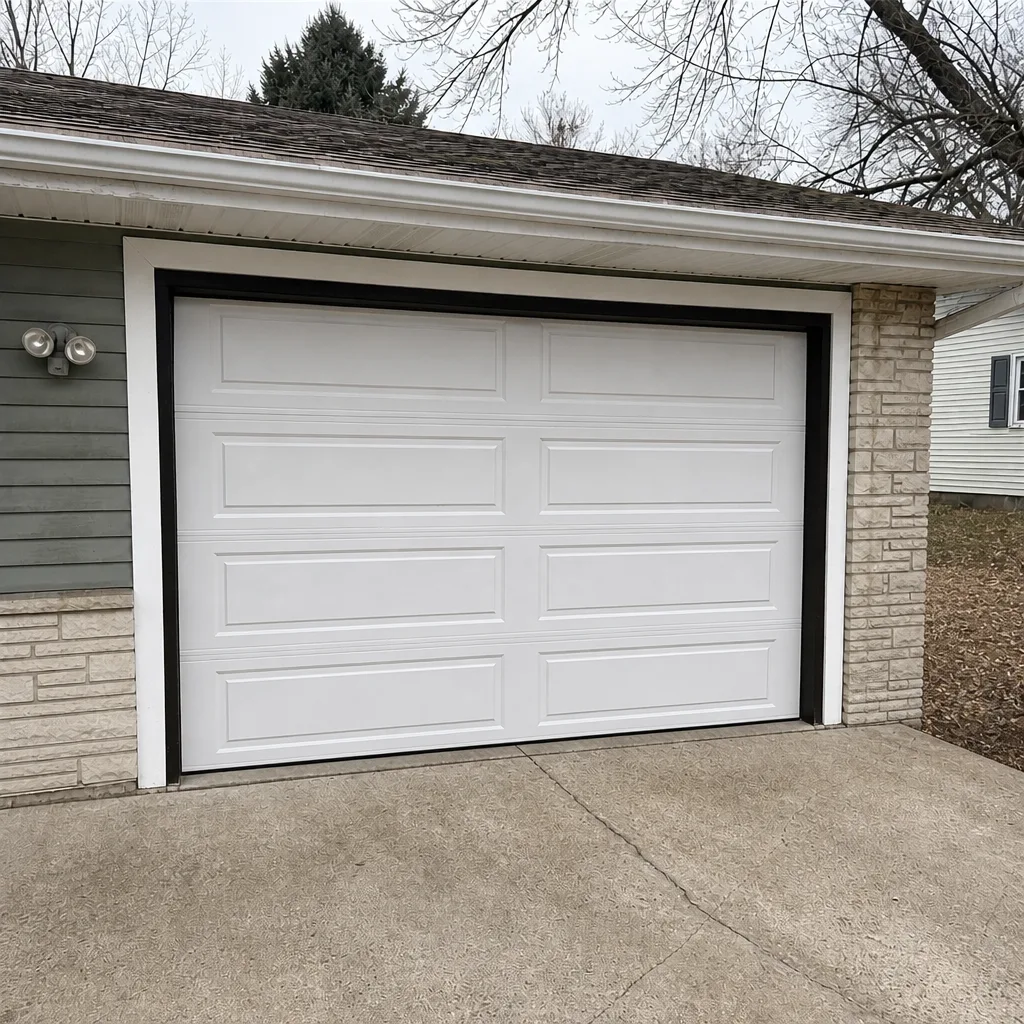 After
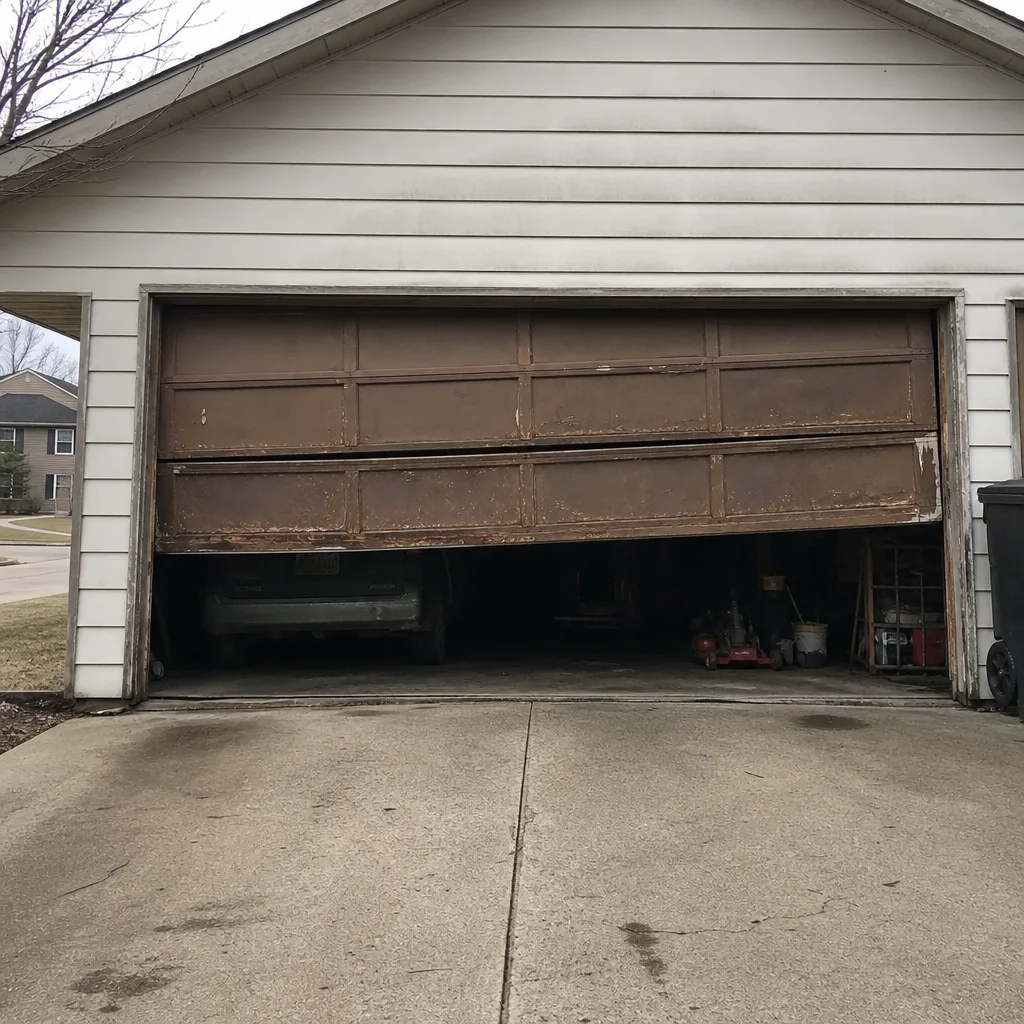 Before
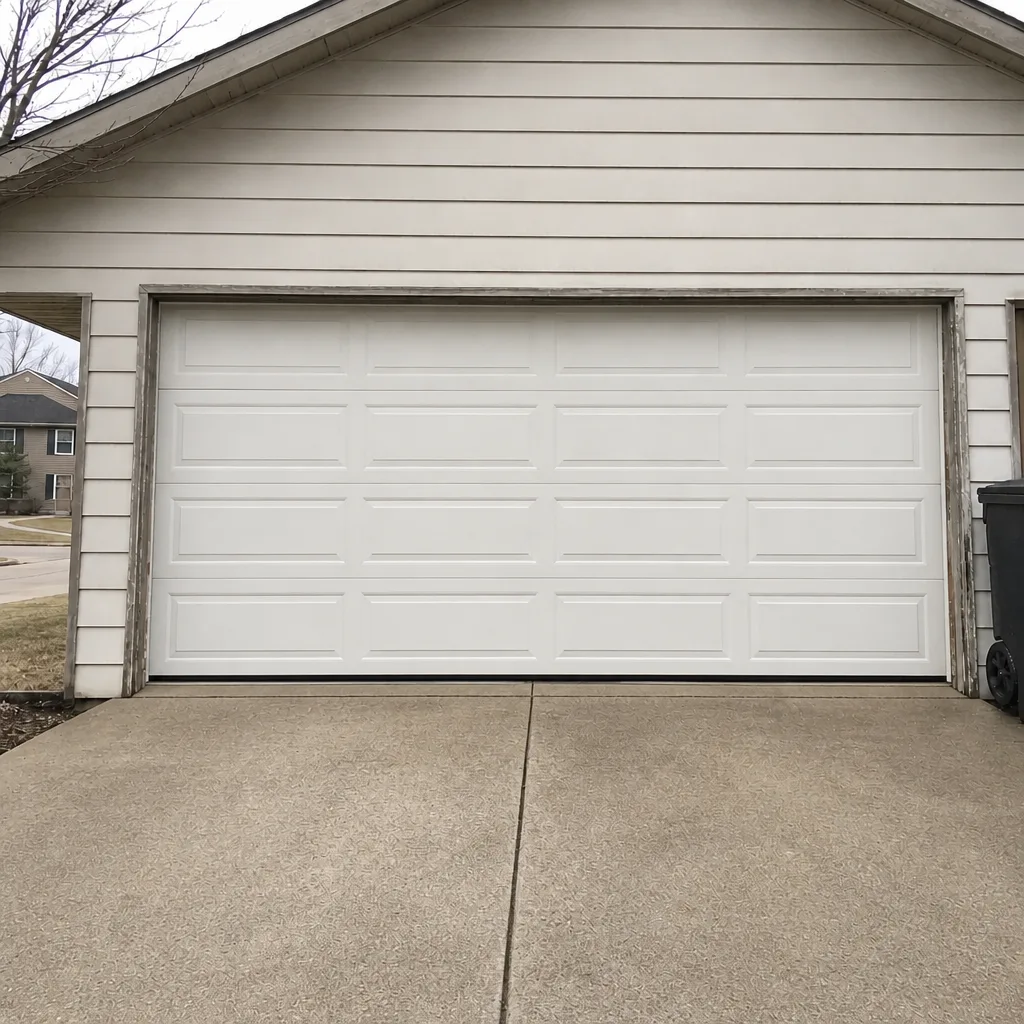 After
When to Call a Professional
Some jobs are maintenance, and some are repair. Call a professional if you see a gap in a torsion spring, a frayed or jumped cable, a door that won’t stay closed or reverses on its own, an opener that strains or won’t lift the door, or a bottom bracket that’s loose. Any grinding, popping, or sudden heaviness in the door is worth a professional look. These are the failures that can turn into a safety hazard, and they’re exactly what a trained technician is trained to handle. If your door stops working entirely, emergency service is available for urgent breakdowns. For anything on this checklist that’s beyond a visual inspection or a bit of lubricant, Maple Grove Garage Door Repair Pros offers free estimates in Maple Grove. Call (833) 902-7220 to schedule a service visit, and we’ll confirm the condition of your door and quote the work before any repair starts. Our technicians have up to 8 years of experience with the brands you have.
Frequently Asked Questions
Service your garage door at least twice a year, once in fall before the first hard freeze and once in spring after the thaw, with monthly opener and safety-sensor tests in between. The fall inspection is the most important because it catches spring and seal wear before the cold makes it an emergency. If you use the door heavily or it’s older, a professional service visit each fall is worth it.
A broken torsion spring is the most common cold-weather repair call, because the cold stresses a spring that’s already near the end of its cycle life. A fall inspection can catch the warning signs months before the break. If your door is very heavy or you see a gap in the spring coil, don’t use the door; call for a repair.
White lithium grease on the spring, hinges, and bearing plates, and silicone lubricant on the bottom seal and weatherstripping. Avoid heavy grease that thickens in the cold and WD-40 as a long-term lubricant, since it evaporates and leaves parts dry. Apply before the first freeze and again in spring.
Yes. Close the door and break the sensor beam with your leg; the door should reverse. Then place a small object in the path and close the door; it should reverse on contact. If it doesn’t, the force setting is too high or the sensors are misaligned, and a technician should adjust it. Do this monthly.
Look for a stretched or uneven coil, rust on the spring, a door that feels very heavy when lifted by hand, or unusual noises when it opens. A visible gap in the coil means it’s already broken. Any of these signs means you should stop using the door and call a professional, since springs are under extreme tension.
We work on the eight dominant residential brands, including LiftMaster, Chamberlain, Genie, Clopay, Amarr, Wayne Dalton, Craftsman, and Raynor. That means faster diagnosis and the right parts the first visit. If you’re not sure what brand you have, we can identify it during a service visit. Call (833) 902-7220 for a free estimate.
The Bottom Line
A garage door maintenance checklist for Maple Grove should be sequenced by the local weather, not copied from a national guide. The fall pre-winter inspection of springs, seals, and cable drums is the highest-value task, because it catches the failures that turn into January emergency calls. Cold-rated lubrication, a monthly opener force-sensitivity test, and a spring-and-cable check twice a year keep the door safe and reliable through the temperature swings. If anything on the spring-and-cable side looks worn, leave it to a professional. Maple Grove Garage Door Repair Pros handles garage door opener repair and spring work for the brands you have, with free estimates and upfront pricing. Call (833) 902-7220 to get started; you can also explore our range of services and learn more about what we cover on our Maple Grove Garage Door Repair Pros home page.
Written by the team at Maple Grove Garage Door Repair Pros.