Last updated November 21, 2026
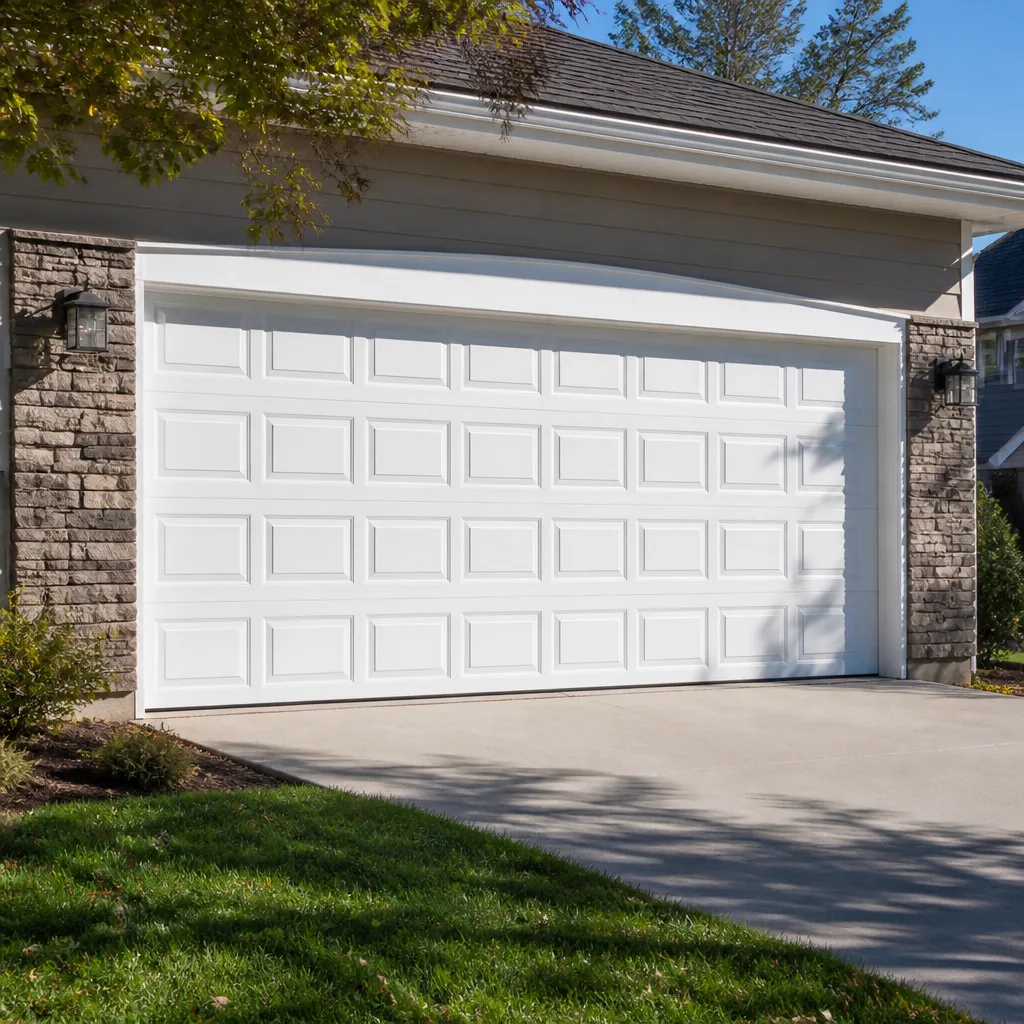 Raised-panel steel
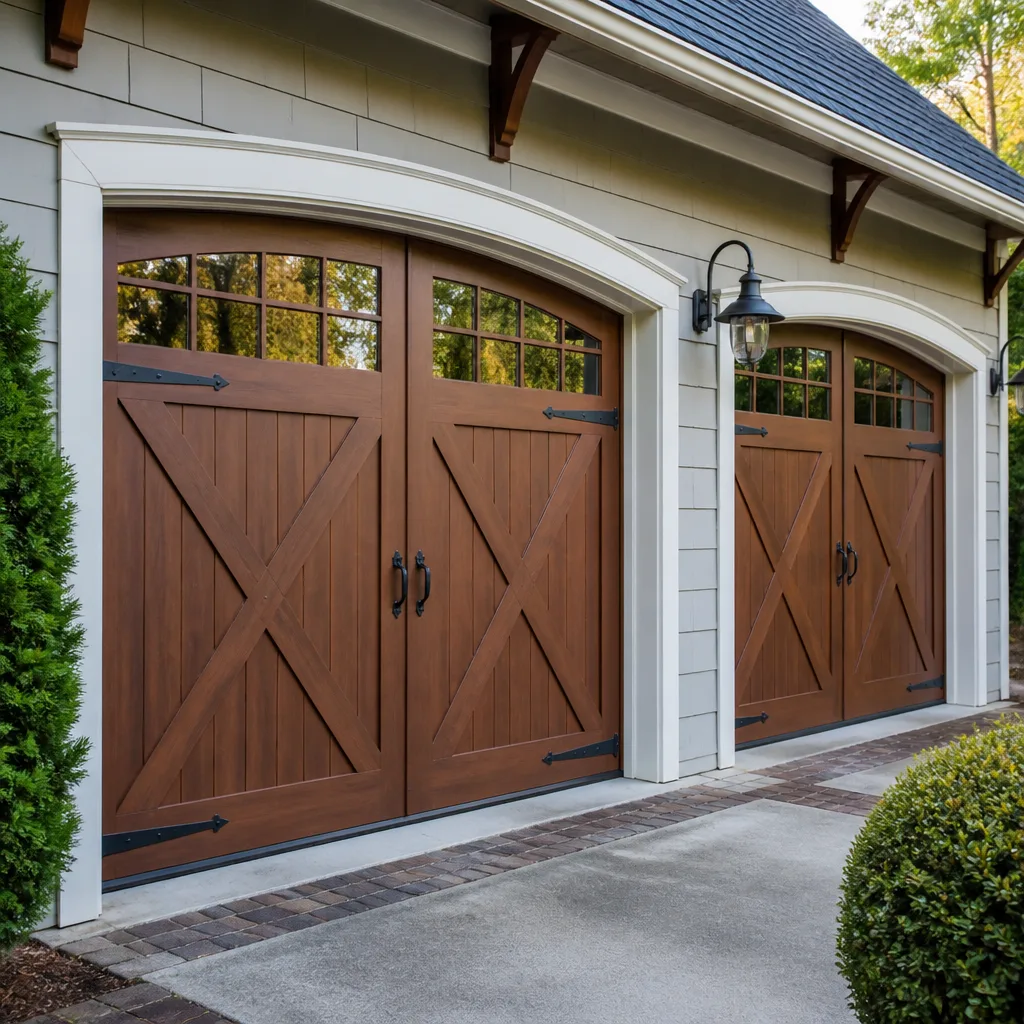 Carriage house
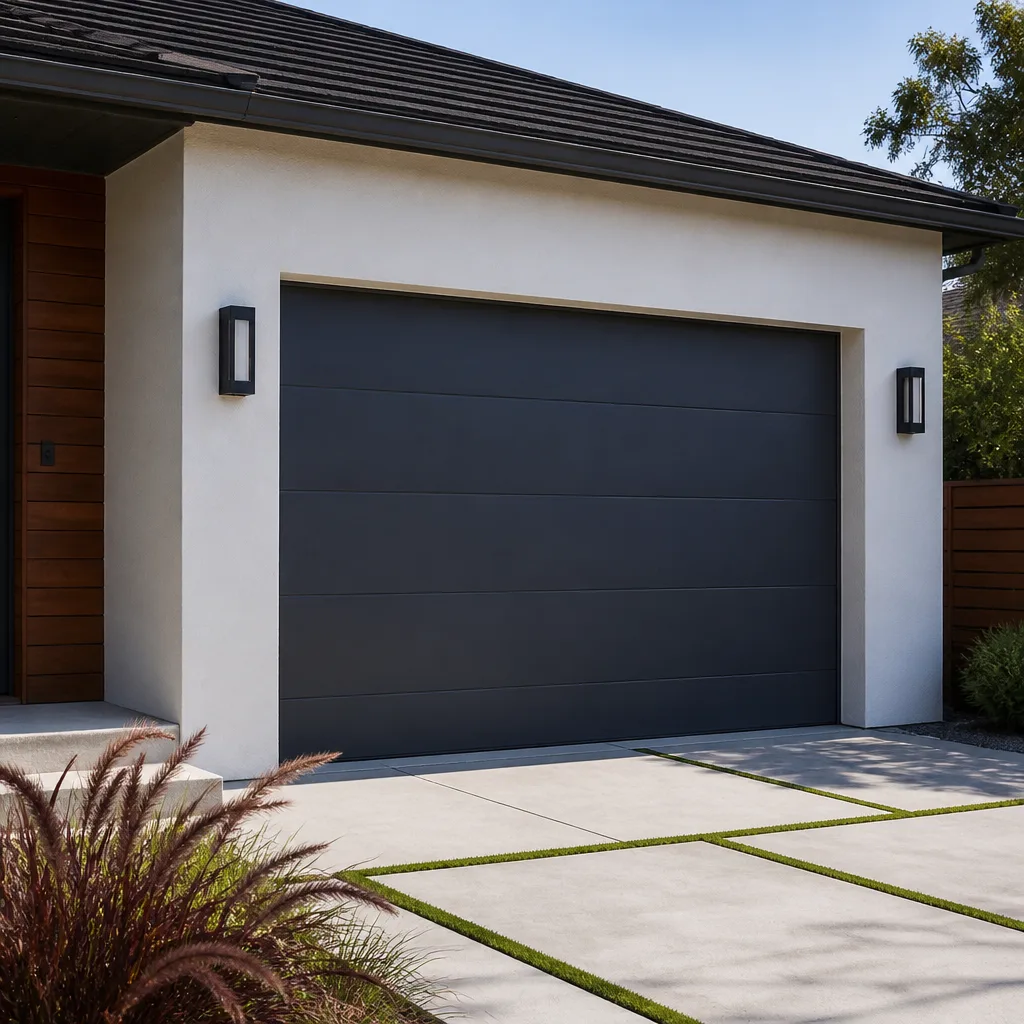 Modern flush
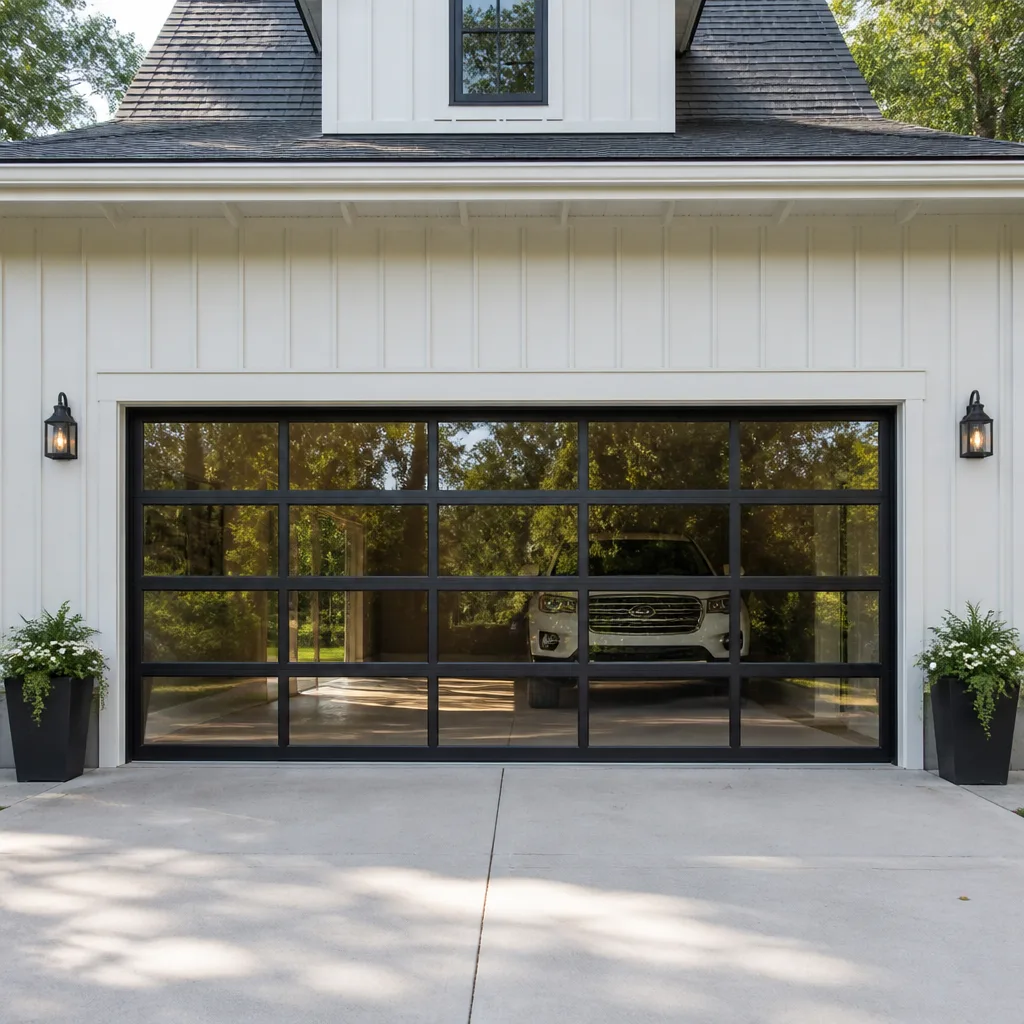 Full-view glass
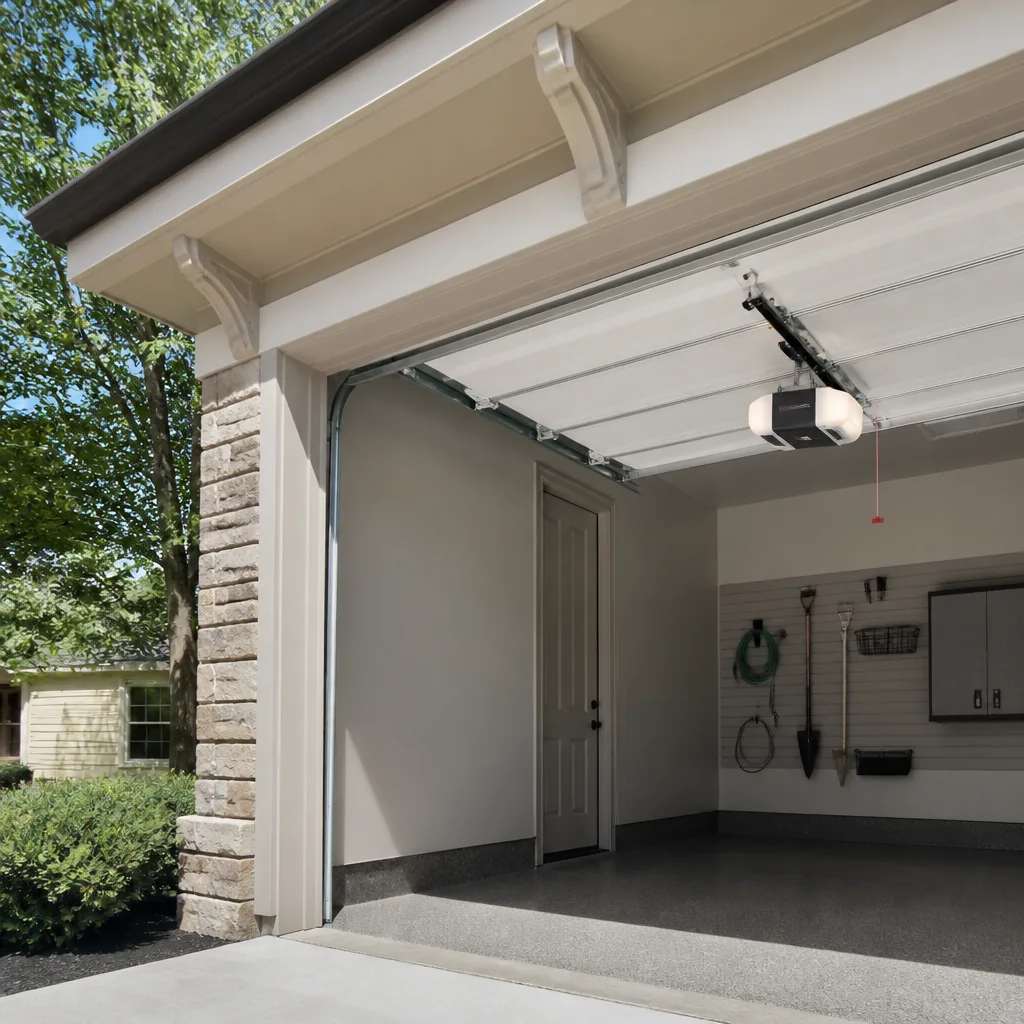 LiftMaster openers
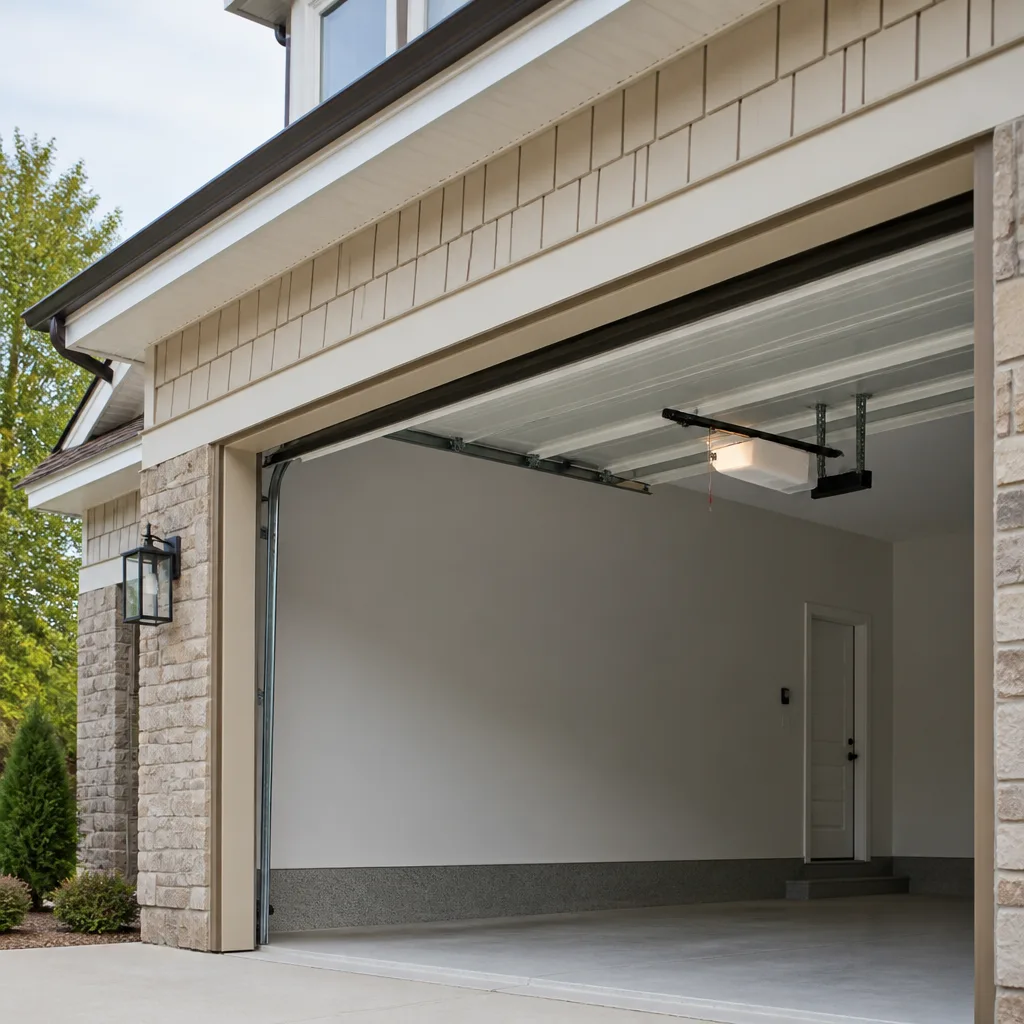 Chamberlain openers
Full 25-point door and opener safety check with every visit - springs, cables, rollers, tracks, and your LiftMaster or Chamberlain opener included
You get a price before we start. It does not change when the pro arrives.
Get your free estimateGarage Door Repair Maintenance Schedule: What to Do and When
The average Maple Grove homeowner cycles their garage door more than 1,500 times a year. That’s more mechanical repetitions than almost any other moving part in the house, and yet most people service it less often than they rotate their tires. The usual advice, “check it twice a year,” misses why doors actually fail: springs wear down by load cycles, not by calendar dates, and Minnesota’s freeze-thaw rhythm puts stress on hardware that a climate-free checklist never accounts for. In this guide we’ll walk through the load-cycle math, the four seasonal checkpoints that matter here, a component-by-component lifespan chart, and a clear line between what you can safely handle yourself and what belongs in the hands of a trained technician. And we’ll be honest about one job in particular that too many people skip.
Quick Answer
Base your garage door maintenance on cycles, not the calendar: grease the torsion springs and hinges every 500 to 1,000 cycles, test the balance and safety reverse monthly, and inspect the whole system at each of Maple Grove’s four seasonal stress points – before the first hard freeze, after spring thaw, in peak summer humidity, and before fall. Most homeowners cycle the door four to six times a day, which works out to a lubrication and inspection interval of roughly every two to three months. Springs, cables, and rollers are the parts that wear first.
Styles & brands we work with
- Raised-panel steel
- Carriage house
- Modern flush
- Full-view glass
- LiftMaster openers
- Chamberlain openers
Table of Contents
- Why Load Cycles Beat the Calendar
- The Four Seasonal Checkpoints for a Minnesota Door
- Component-by-Component Lifespan Chart
- The One Task Most Homeowners Skip: Spring Lubrication
- DIY vs. Professional: Where the Line Sits
- Brand-Specific Wear Patterns and Parts
- Common Mistakes to Avoid
- When to Call a Professional
Why Load Cycles Beat the Calendar
A garage door isn’t like an oven or a furnace that gets used a few times a week. It’s a weighted mechanism that lifts and drops hundreds of pounds of panel, hardware, and glass, and every single open-and-close counts as a stress cycle on the springs, cables, and opener drive train. So the real answer to “how often should I service my door” starts with how often you actually use it, not with a date on the wall.
Start by counting your own usage. A household where two drivers leave and come home each morning and evening, plus a garbage run and a quick trip to the store, easily reaches four to six cycles a day. That’s 1,460 to 2,190 cycles a year. Some households with a stay-at-home parent or a home business park far less; others with teens, deliveries, and a garden shed in the backyard push past 3,000.
Here’s how that math translates into service intervals:
- Under 3 cycles a day: inspect and lubricate every four to six months.
- 4 to 6 cycles a day: lubricate and inspect every two to three months.
- 7 or more cycles a day: lubricate every six to eight weeks and watch the springs closely.
Door weight matters too. A heavy insulated wood door or a steel door with a window panel puts more strain on the springs than a lightweight aluminum door. A torsion spring system, which mounts above the door, generally carries the load more evenly than the extension-spring setup used on older, smaller doors. That’s why two Maple Grove homes on the same street can need completely different schedules. If your door runs heavy or you’ve noticed a slowdown in its lift, that’s a signal to tighten the interval, not stretch it. A proper garage door repair visit is the fastest way to get a real read on what your specific door needs.
One more thing about cycles: they don’t just wear the springs. Every cycle flexes the cables, rolls the rollers through the track, and works the hinges. A door that’s been cycled 5,000 times has done real work, and the schedule should reflect that accumulated mileage.
The Four Seasonal Checkpoints for a Minnesota Door
Maple Grove sits in a climate that swings hard between winter and summer, and the garage door is the one part of your house that has to keep working through every swing. A national “twice a year” checklist misses the local reality. Here are the four checkpoints that actually match the seasons in this part of Minnesota.
1. Pre-freeze lubrication and seal check (late fall)
Before the first hard freeze settles in, grease the torsion springs, hinges, and rollers. Cold thickens any old lubricant and slows the metal, and a stiff door puts extra strain on the opener. Look at the bottom weather seal too – a cracked or hardened seal lets cold air and snow melt into the garage, and it can stick to the concrete when the temperature drops. This is the single most important checkpoint of the year for a Minnesota door.
2. Post-thaw hardware inspection (spring)
Freeze-thaw cycling moves concrete and wood, and the garage door frame moves with them. When the ground thaws, walk the track and look for out-of-plumb angles, loose lag bolts in the frame, and gaps around the trim. Check that the door still closes flush to the floor. Retighten the track and hinge bolts you can safely reach. If the door has started rubbing or screeching, note it. A door that worked fine in October can reveal a slightly warped frame once the frost leaves.
3. Summer humidity watch on wood doors (mid-summer)
Wood doors, and especially the older wood-paneled doors still hanging on plenty of Maple Grove homes, soak up summer humidity and swell. A panel that fit tight in winter can stick, rub a hinge, and stress the springs by mid-July. Paint and seal the panels if the finish is worn, and keep an eye out for swelling at the bottom rail. Steel doors with wood-grain finishes are less affected, but any exposed wood trim near the frame deserves the same attention.
4. Fall weatherstripping audit (early fall, before the pre-freeze lube)
Weatherstripping is cheap to replace and expensive to neglect. Check the seal along the bottom, the sides, and the top of the door. Any worn, torn, or compressed seal lets in cold air, mice, and moisture. Replacing it takes a few minutes and pays off through the whole winter. Pair this audit with your pre-freeze lubrication for one efficient, well-timed maintenance pass.
Component-by-Component Lifespan Chart
Knowing which parts wear first tells you what to watch. Below are the components in the order they typically call for attention, with what to inspect and the warning signs that mean the part is done. Lifespans are ranges reflecting real household conditions; heavy use and Minnesota’s climate push everything toward the shorter end.
- Torsion springs – first to fail. Look for a visible gap in the coil, a door that feels heavier than usual, or a loud bang from the garage. A spring that’s snapped can’t be safely touched, and this is where trained technicians earn their keep.
- Cables – second. Look for fraying, rust, and slack on one side. A cable with a broken strand is a safety issue and needs to be replaced as a pair.
- Rollers – third. Steel rollers wear faster than nylon; listen for grinding or squealing as the door moves. Worn rollers can jump the track.
- Hinges – fourth. Check for loose screws, worn pivot points, and rust. A door that hangs crooked often has one or two tired hinges.
- Opener drive – last and slowest. A chain drive, belt drive, or screw drive from Genie, LiftMaster, or Chamberlain generally lasts a long time. Watch the travel limit settings and listen for the motor straining against a heavy door.
The message here is simple: springs and cables are the wear parts that matter most, and they’re also the ones that pose the greatest danger. A roller or hinge problem is an annoyance. A spring or cable failure can drop the door. If you’re hearing a snap, seeing a noticeable sag, or watching that door come down faster than it should, treat it as urgent. Our garage door spring repair team is trained on exactly this type of failure.
The One Task Most Homeowners Skip: Spring Lubrication
Of everything on the garage door maintenance schedule, torsion spring lubrication is the task that gets skipped the most and the one that accounts for the largest share of preventable failures. Springs are under enormous tension, and dry coils rub against each other. That friction, over hundreds of cycles, quietly shortens the spring’s life. A light application of a garage-door-rated lubricant on the coils, every few hundred cycles, is a small habit that pays back over the years.
So why does everyone skip it? Because the springs are the one part of the door that most people are rightly nervous to touch. And that’s the correct instinct. You can safely reach the coil with a rag and a spray lubricant; you should never try to adjust tension, swap a spring, or unwind the assembly. That’s a job for trained hands and the right tools, and it’s the reason spring work is a specialty rather than a DIY task.
Here’s a quick loop you can safely run on your own schedule:
- Park the car outside and unplug the opener before you go near the door.
- Apply a garage-door lubricant to the torsion spring coils, hinges, and the roller bearings and stems.
- Wipe off the excess with a rag and dispose of it properly.
- Plug the opener back in and run the door up and down once to confirm smooth travel.
- Note the date on the calendar so you know when the next cycle is due.
If the door feels heavy or you see a gap in the spring, don’t lubricate it and hope. Call us. The local pro we connect you with handles spring repair as a specialty, and we’d rather see you safe than see the door down longer than it needs to be. We work with the spring systems on Clopay, Amarr, and Wayne Dalton doors regularly, so the parts match and the door goes back to working the way it should.
DIY vs. Professional: Where the Line Sits
You can do a surprising amount of maintenance yourself, and it’s worth doing because it makes problems visible early. But the garage door is also a large, tension-loaded machine, and a few tasks truly belong to a trained technician. Here’s the breakdown.
Safe and effective to do yourself
- Lubricating springs, hinges, and rollers with a garage-door-rated product.
- Testing the balance: close the door, pull the release, and lift it partway – it should hold, not fall or rise on its own.
- Testing the safety reverse by placing an object in the door’s path.
- Replacing weatherstripping along the bottom and sides.
- Wiping down and repainting wood panels.
- Tightening a visibly loose hinge or track bolt you can safely reach without the door under tension.
Never a weekend project
- Spring replacement or tension adjustment.
- Cable replacement.
- Track realignment when the door is hanging or the roller is out.
- Anything that requires working under a door that’s supported only by the opener.
That last list isn’t caution for its own sake. A garage door spring holds a dangerous amount of stored energy, and one wrong move can cause serious injury. A door that’s misaligned or unbalanced can come down. If you’re in doubt about which side of the line a task falls on, it’s on the professional side.
Brand-Specific Wear Patterns and Parts
Not every door and opener wears the same way. In our experience looking at doors across Maple Grove, the brand on the door and the brand on the opener both tell you something useful about what to watch.
Clopay and Amarr steel doors are common here, and both are durable panel systems where the rollers and hinges are the first wear points. On those doors, a smooth set of nylon rollers and a well-lubricated hinge set makes the biggest difference to feel and noise. Wayne Dalton doors, particularly those paired with torsion systems, are worth inspecting at the hinges, because a worn hinge can make an otherwise healthy door hang crooked. If you’re running a Genie or LiftMaster opener on a heavier insulated door, watch the travel limits and the motor’s coast: a straining motor is your early warning that a spring is losing tension.
The point isn’t brand loyalty. It’s that the right diagnosis and the right part come from someone who knows the system in front of them. We work with Genie, Clopay, Amarr, Wayne Dalton, LiftMaster, Chamberlain, and more, and that familiarity cuts down on the second-visit problem (ordering the wrong part the first time).
Common Mistakes to Avoid
- Treating the schedule as once-a-year. For a Maple Grove household with two cars, the real interval is every couple of months, not every twelve months.
- Using WD-40 as a garage door lubricant. It’s a solvent, not a lasting lubricant, and it strips the grease you actually need. Use a product made for garage doors.
- Skipping spring lubrication because the springs seem fine. Dry coils rub on every cycle. The friction shows up as a snapped spring much later, with no warning in between.
- Waiting until the door won’t close to look at the weatherstripping. In this climate, a hard seal and a cold morning can stick the door to the floor. Audit it in early fall.
- Ignoring a door that’s slowed down but still works. A slowing door is often the first sign of a spring losing tension or a roller binding. Don’t wait for the snap.
- Letting summer humidity warp wood panels. If the finish on a wood door has worn through, reseal it before mid-summer. Unsealed panels swell and put extra load on the whole system.
- Rolling the door up by hand to inspect under it. Never work under a door that’s held up only by the opener. Use the release safely with the door all the way up, or leave it to a technician.
When to Call a Professional
Some signs are clear: a snapped spring, a frayed or loose cable, a door that hangs crooked, a door that won’t close flush, or a garage door opener that runs but doesn’t move the door. If you hear a loud bang from the garage or the door comes down harder than it used to, treat it as a safety stop and don’t cycle it again until someone looks at it. Those situations call for garage door repair, not a wait-and-see approach.
If the door is running smoothly but making new noise, or if it’s been more than a couple of months since your last lubrication pass, that’s the moment for a maintenance visit. We also handle garage door opener repair and garage door spring repair as part of the same call, so nothing gets referred out mid-problem. Maple Grove Garage Door Repair Pros offers free estimates in Maple Grove – call (833) 902-7220 and we’ll get a technician out to look at the door. If a door fails suddenly, we’re set up for emergency garage door service, so you don’t have to wait with a car stranded in the driveway.
See the difference
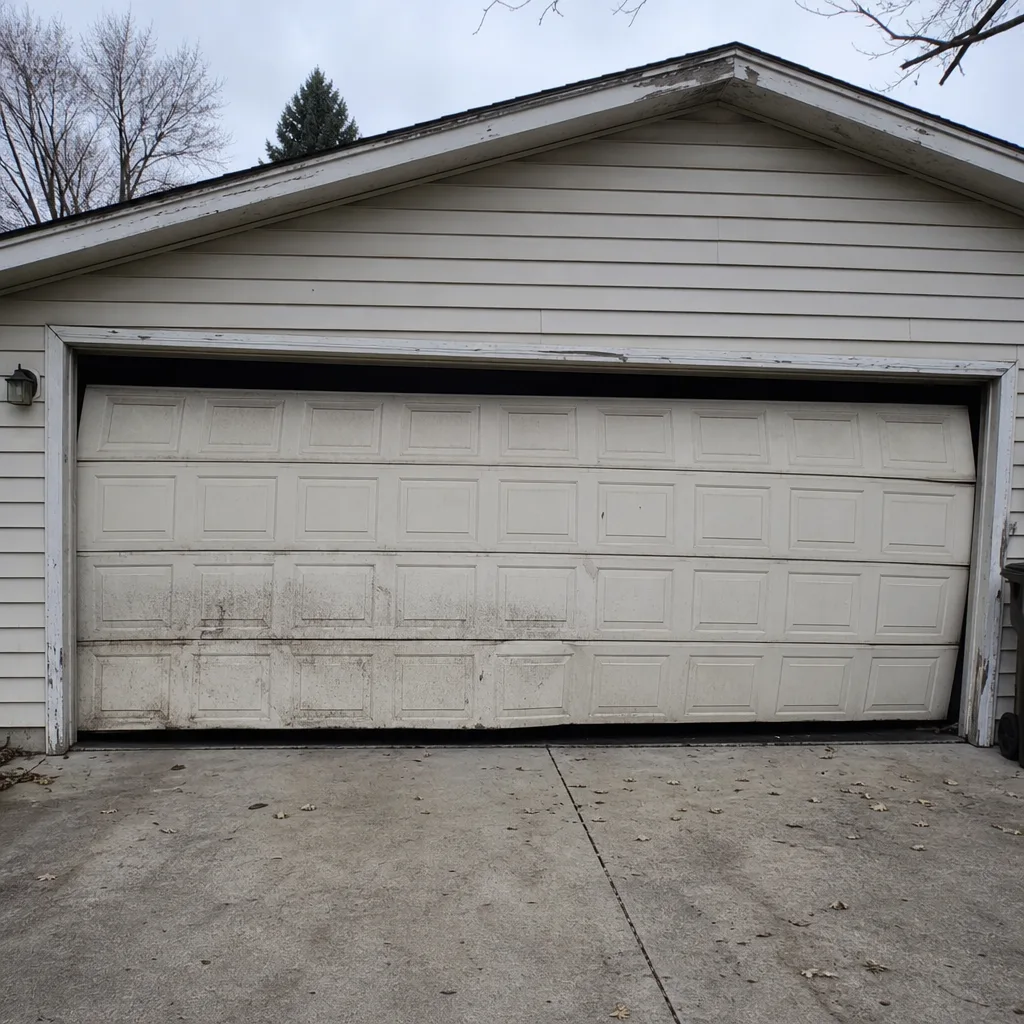 Before
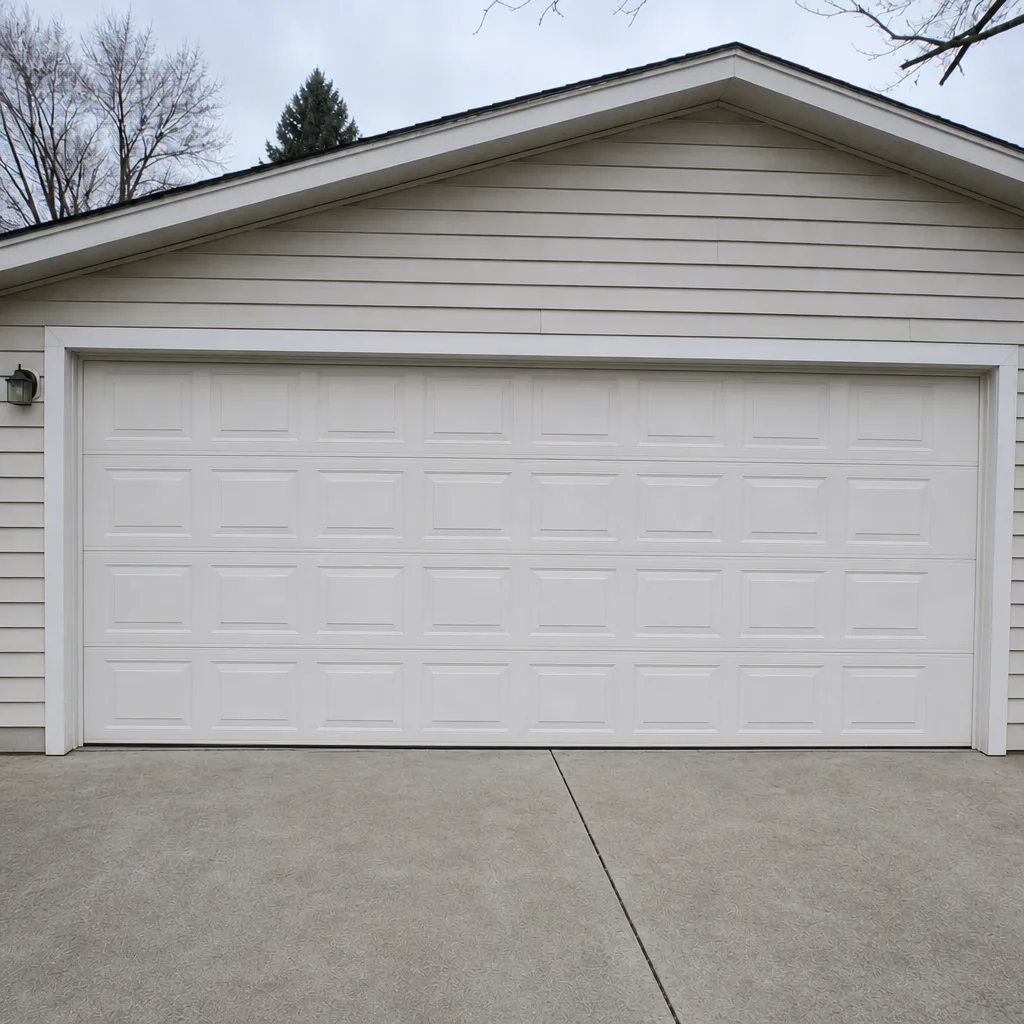 After
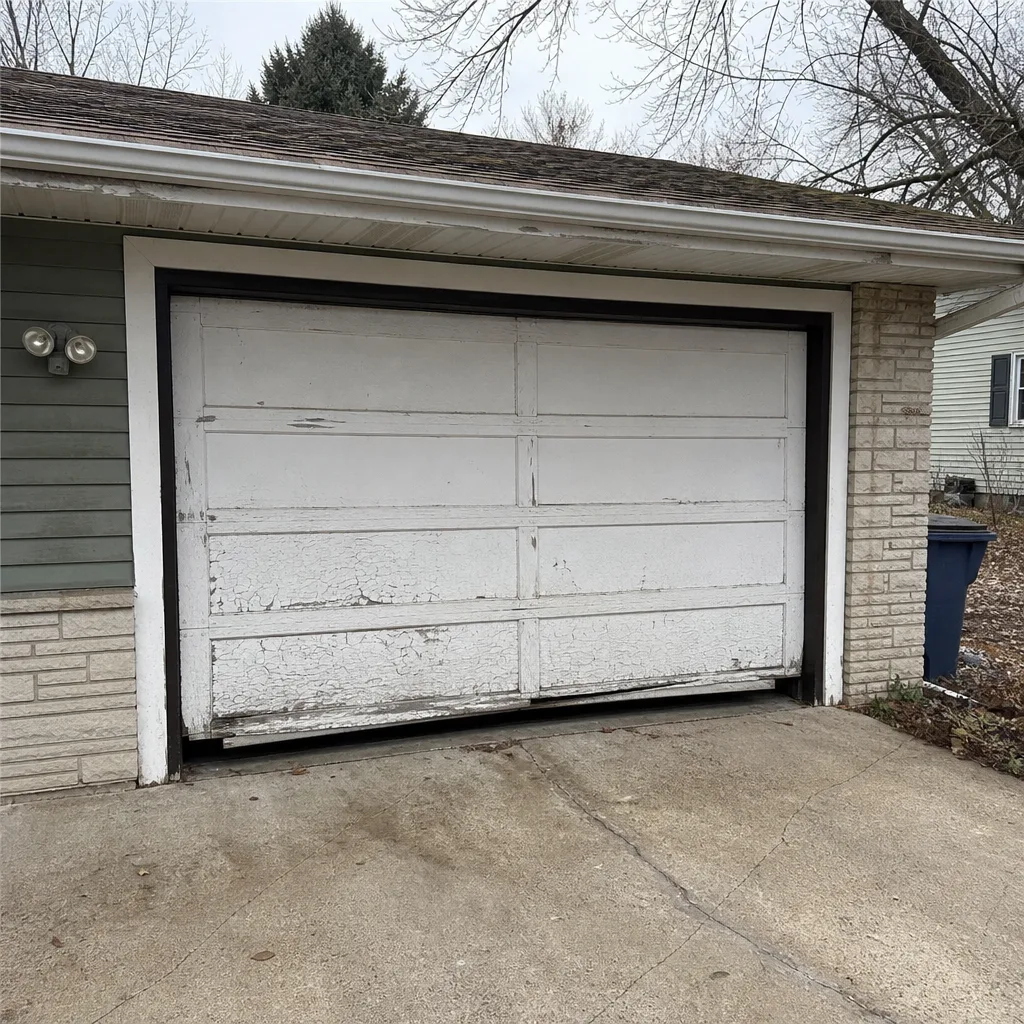 Before
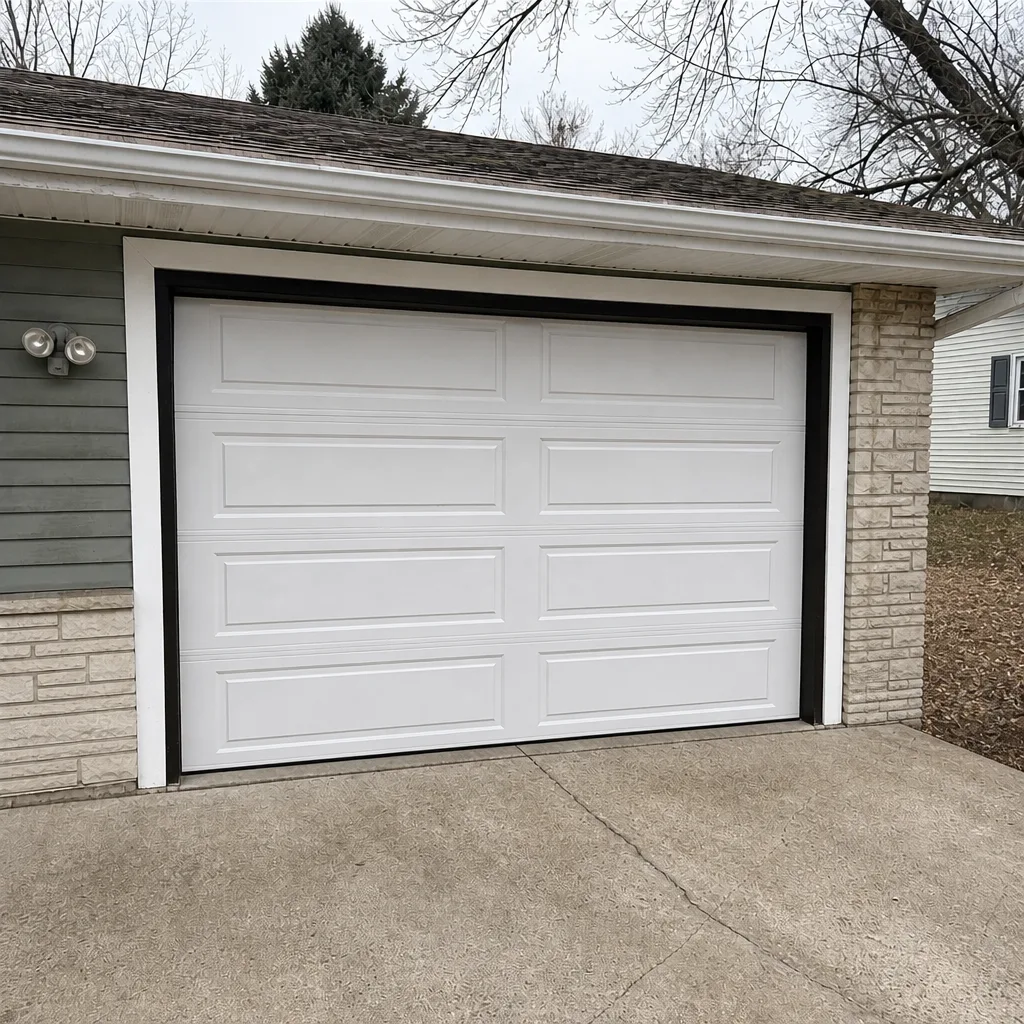 After
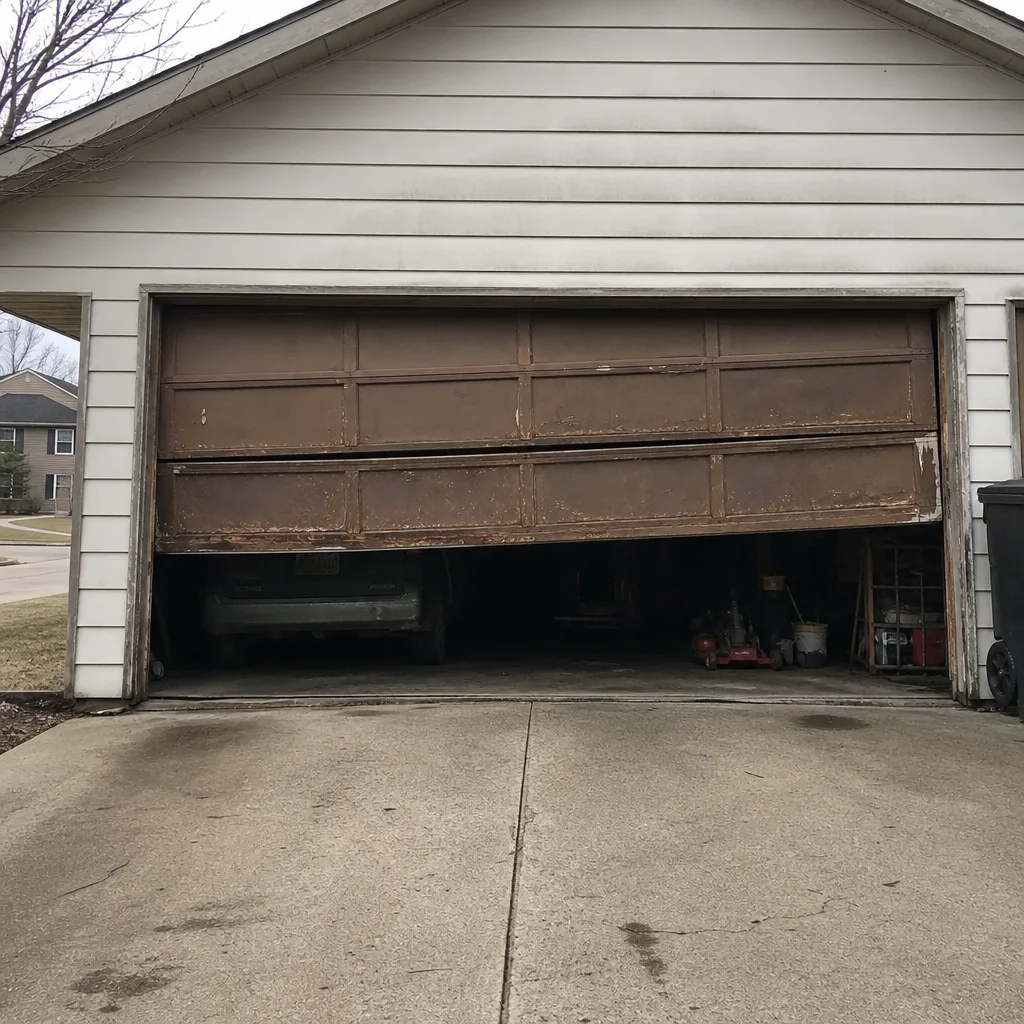 Before
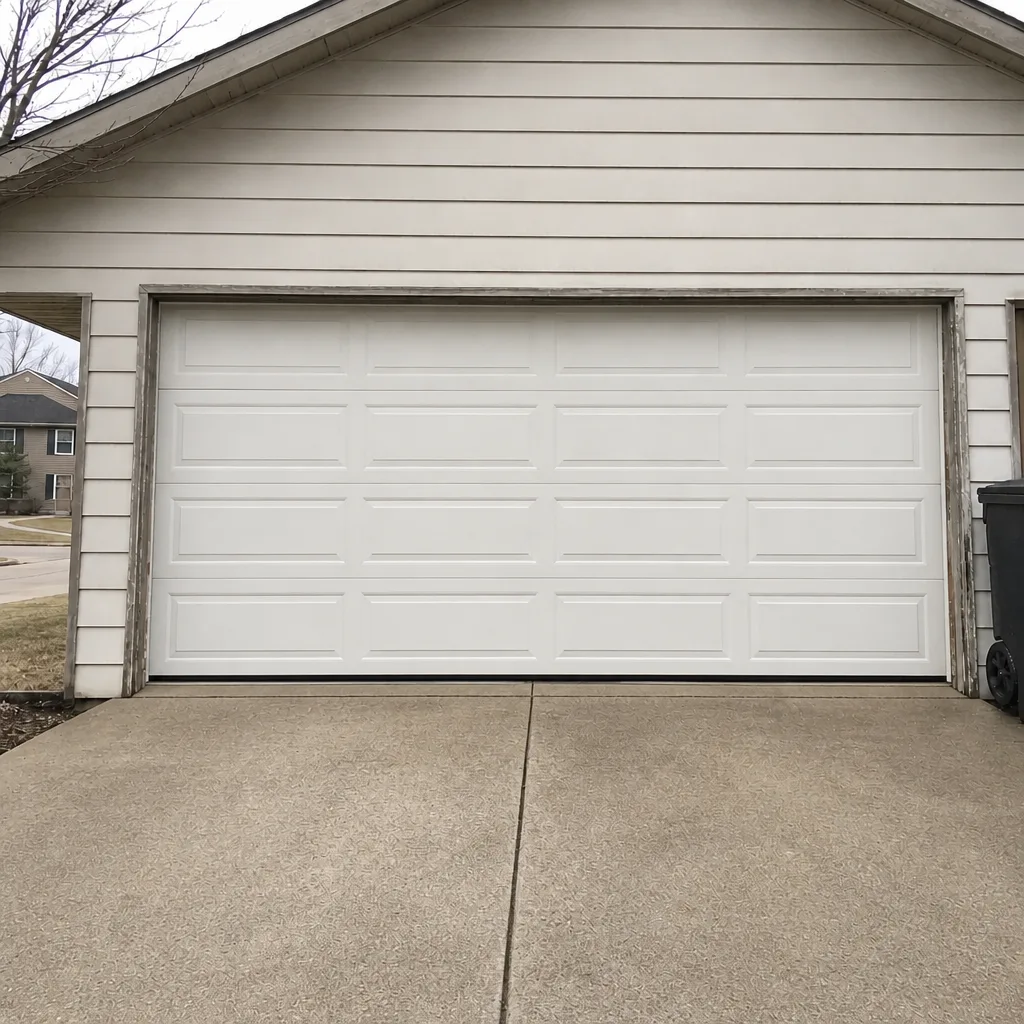 After
Frequently Asked Questions
Every two to three months for a household that cycles the door four to six times a day, and every four to six months for lighter use. The right interval is tied to load cycles, not to a fixed date. If you’re not sure how much your household is using the door, count it for a week and then decide. And if you want a professional read on the current condition, a maintenance call to Maple Grove Garage Door Repair Pros at (833) 902-7220 is a quick way to get one.
No. Garage door springs hold dangerous stored energy, and a mistake can cause serious injury. Even adjusting tension on a torsion spring is a task for trained technicians. You can safely lubricate the coils with a garage-door lubricant, and you can watch for signs of wear, but replacement and adjustment belong to a professional. Springs are exactly the job trained technicians exist for.
If you can see light or feel a draft around the door, or the seal has cracks or has hardened against the concrete, replace it. In this climate the seal is your first line of defense against drafts, snow melt, and mice, and it’s inexpensive compared with the damage a leaking seal can do. It’s a straightforward DIY task for most homeowners.
Cold thickens any old lubricant, and a stiff door puts more strain on the springs and the opener. A pre-freeze lubrication pass in late fall is the best prevention. If the door is still struggling after lubrication, don’t force it – that’s often the first sign the spring is losing tension. Have a trained technician look at it before the cold gets worse.
Torsion springs, in most cases, followed by cables. They’re the wear parts that take the most stress per cycle. Rollers and hinges tend to wear next, then the opener drive. That’s why the lubrication schedule focuses on the springs first, and why a snap sound or a sudden sag is the signal to stop using the door.
Yes. We work on LiftMaster, Chamberlain, Genie, Clopay, Amarr, Wayne Dalton, Craftsman, and Raynor systems, and the technician can identify the equipment when they arrive. That’s the practical benefit of a garage-door-only focus: the right diagnosis and the right part the first visit, not the second. Call (833) 902-7220 for a free estimate.
The Bottom Line
Your garage door needs a schedule built around load cycles, not the calendar. Count your daily usage, lubricate and inspect every two to three months if you’re a heavy user, and hit all four Minnesota checkpoints: pre-freeze lubrication, post-thaw hardware inspection, summer humidity care on wood, and a fall weatherstripping audit. Watch the springs and cables first because they wear first, and never touch a tensioned spring yourself. Whether you’re thinking about ongoing garage door repair or a fresh Maple Grove Garage Door Repair Pros visit to get the door set up right, the goal is the same: fixed correctly, not just closed. For a second opinion on your door’s condition or a maintenance visit, call Maple Grove Garage Door Repair Pros at (833) 902-7220 for a free estimate. Our technicians have up to 8 years of experience, and we’re happy to tell you exactly what your door needs and when.
Written by the team at Maple Grove Garage Door Repair Pros.