Last updated November 21, 2026
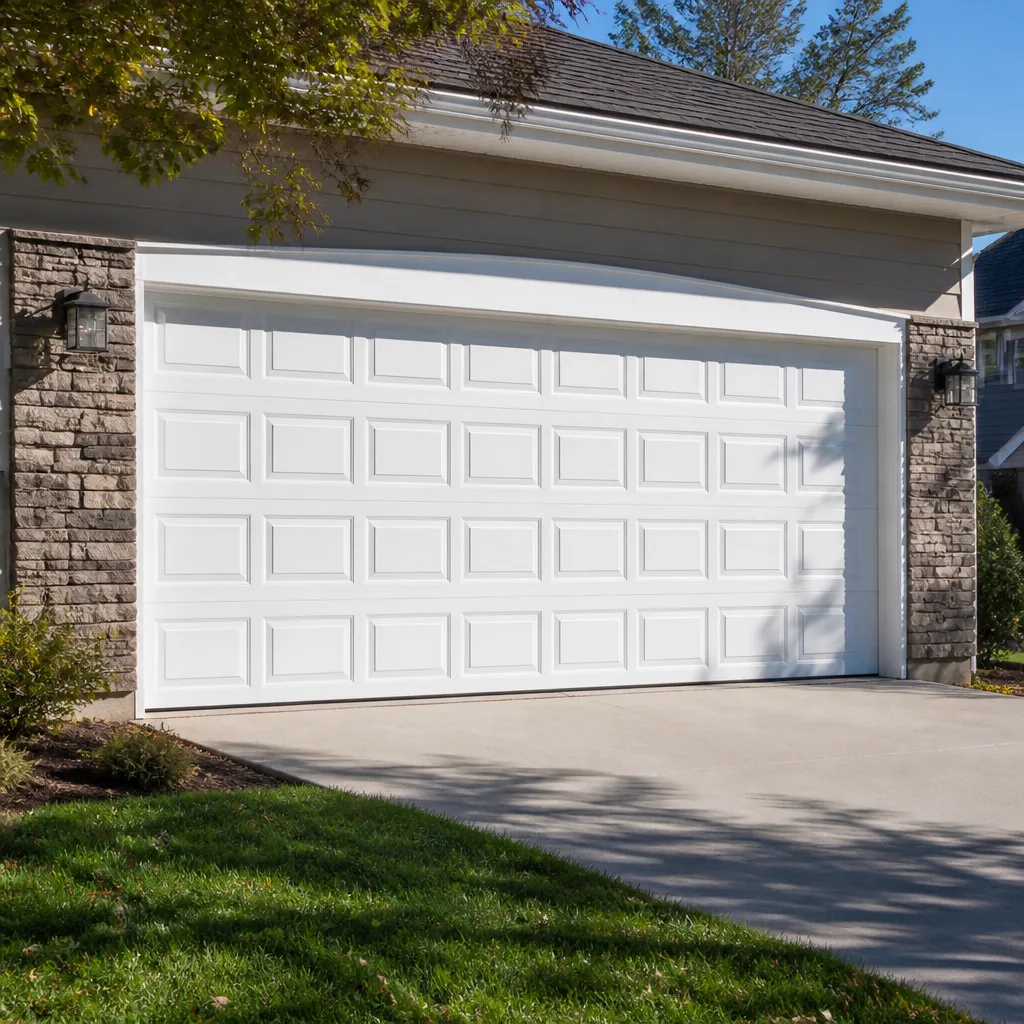 Raised-panel steel
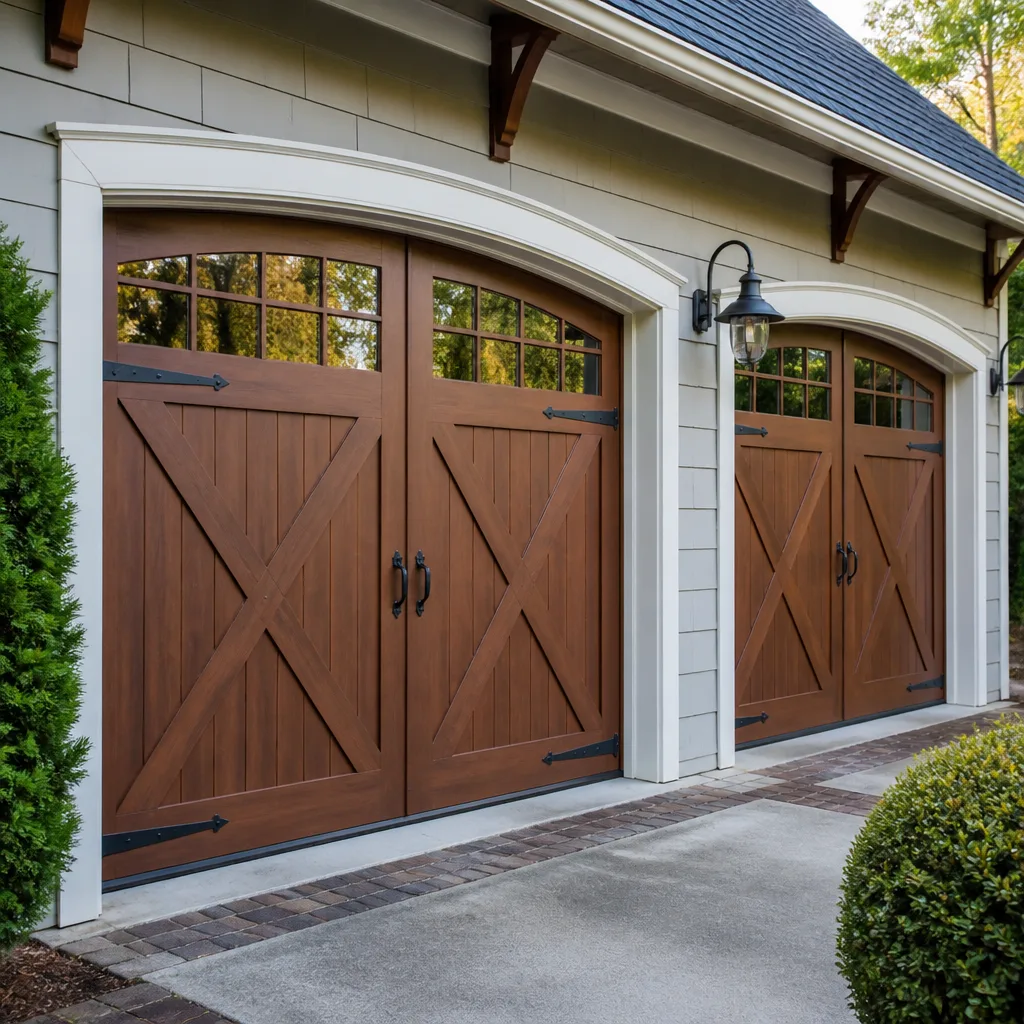 Carriage house
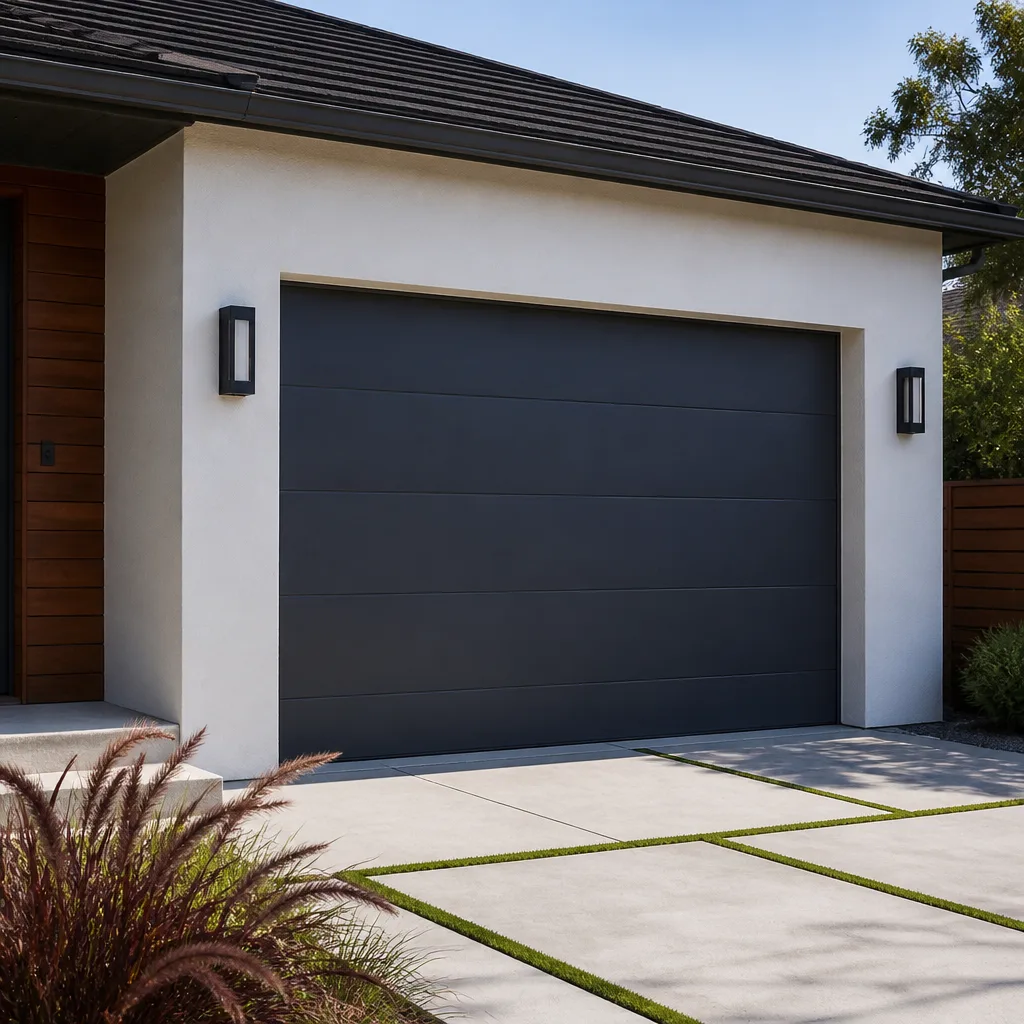 Modern flush
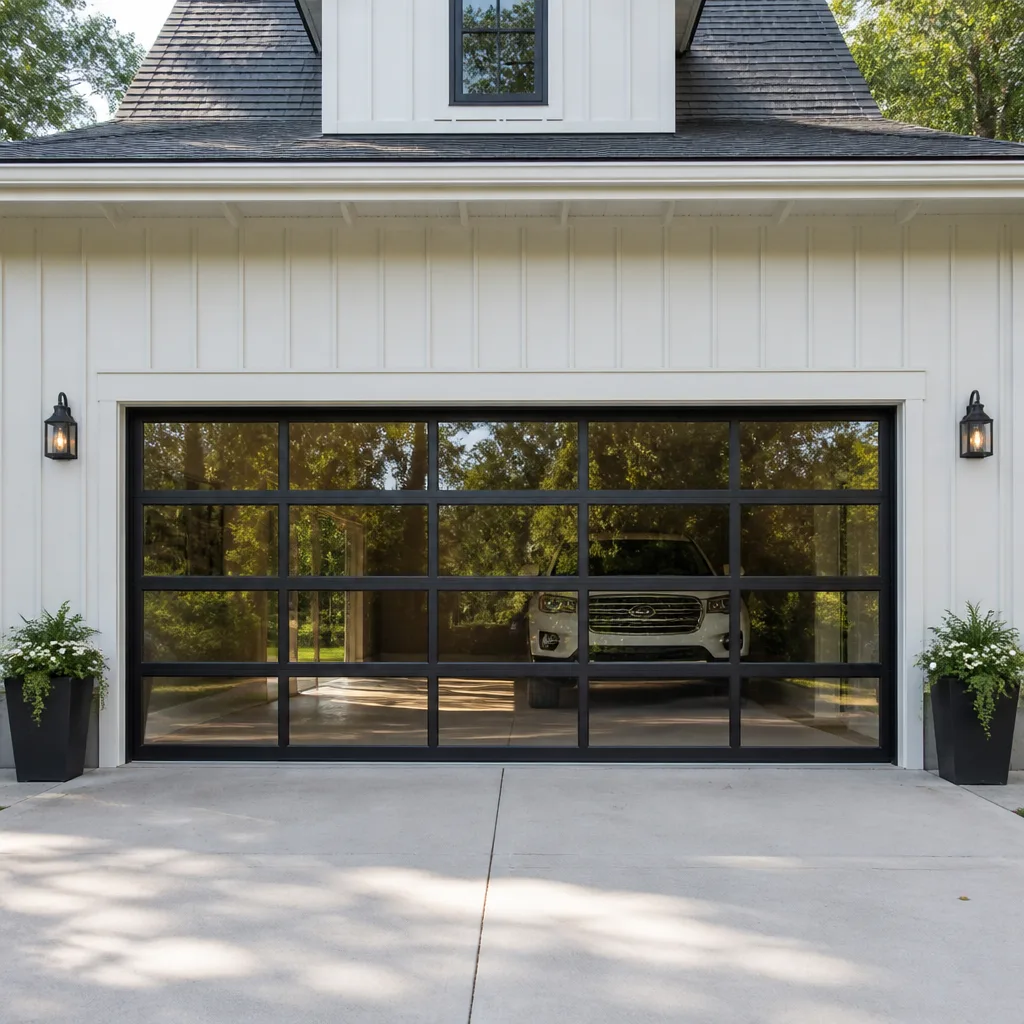 Full-view glass
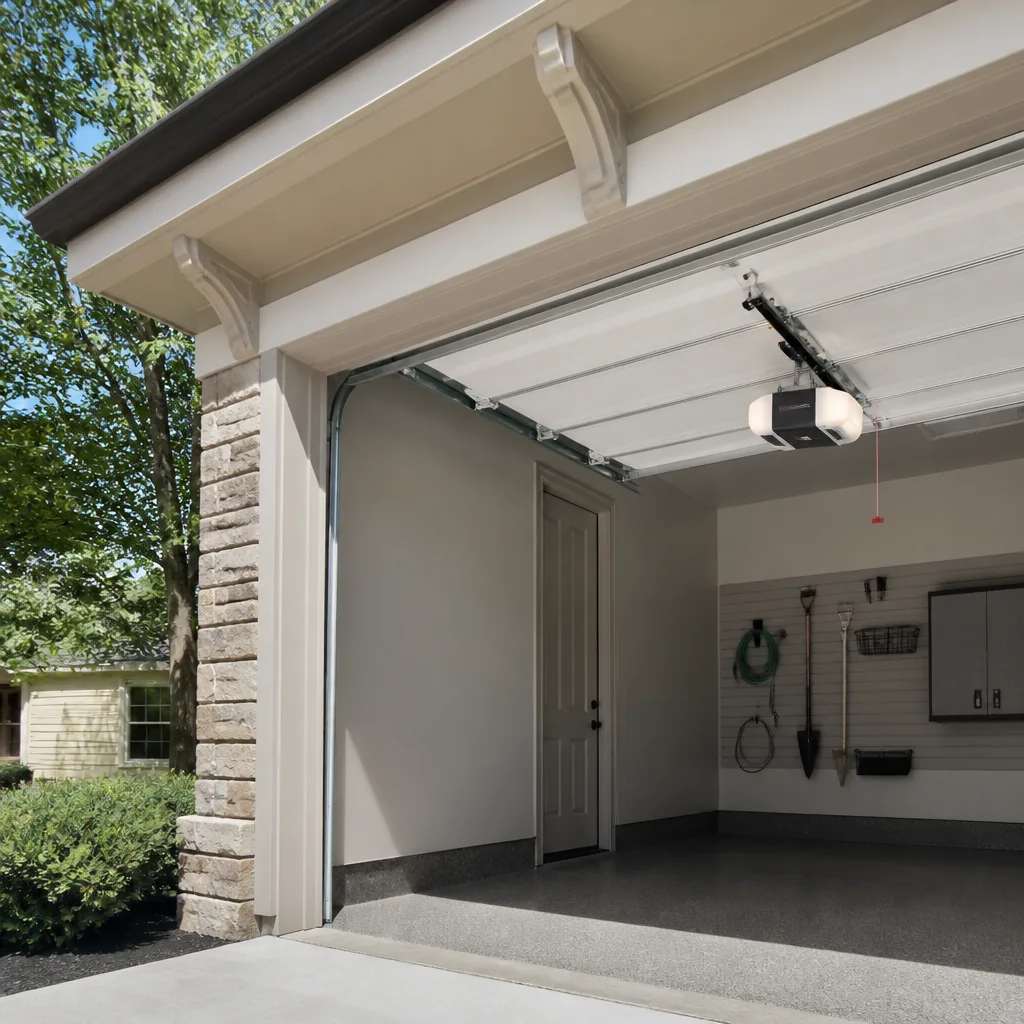 LiftMaster openers
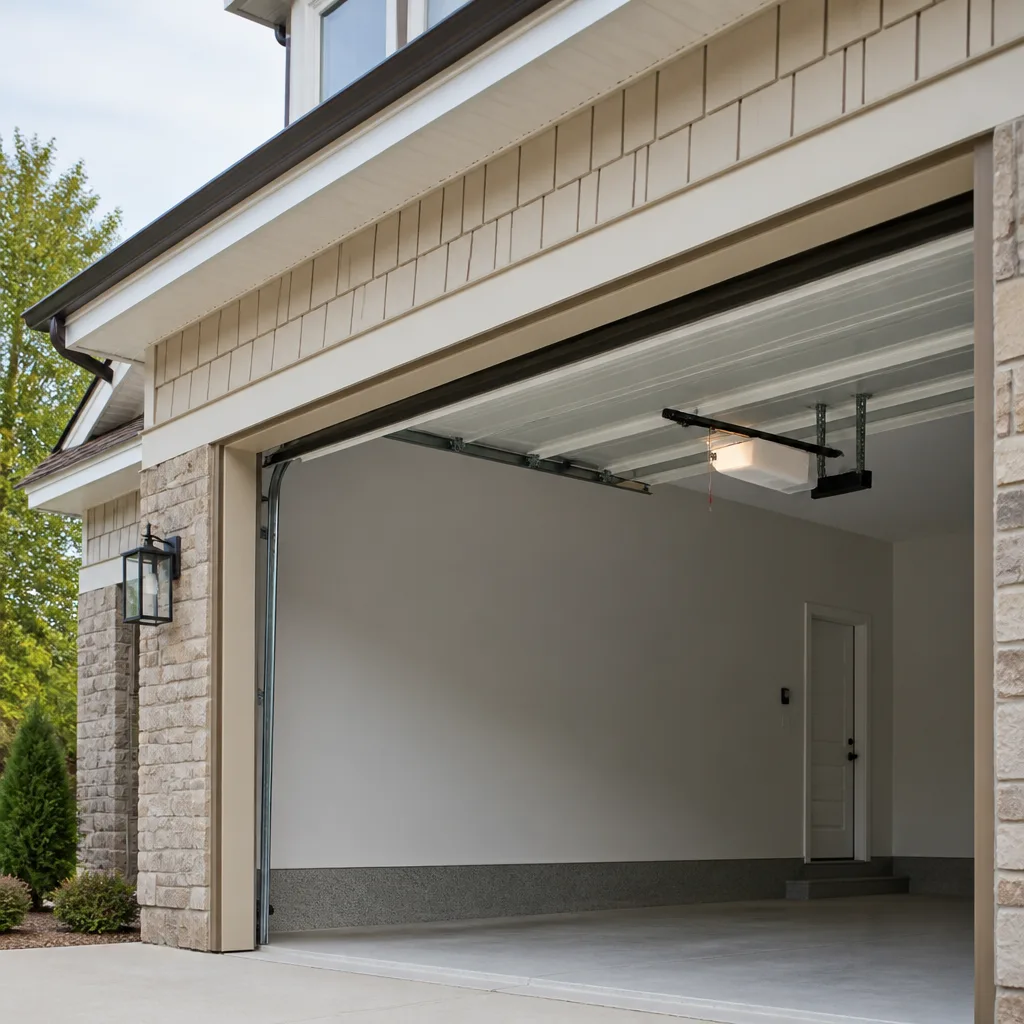 Chamberlain openers
Full 25-point door and opener safety check with every visit - springs, cables, rollers, tracks, and your LiftMaster or Chamberlain opener included
You get a price before we start. It does not change when the pro arrives.
Get your free estimateGarage Door Repair Troubleshooting in Maple Grove: Common Problems and How to Fix Them
A garage door that “just stopped working” is never one problem. It’s a chain of cause and effect, and misreading the first link in that chain is how a small repair becomes an expensive one. A door that reverses on the way down is usually not an opener failure; it’s a sensor eye seeing dirt. A door that grinds and shudders is usually not asking for a new opener; it’s asking for a roller and track check. In this guide, we map the five mechanical failure categories your door can land in, show you which symptoms point to which system, and draw a hard safety line between what you can check yourself and what needs a trained technician. Everything here is written for Maple Grove homes and the seasonal wear they actually see.
Quick Answer
Most garage door failures trace back to one of five systems: the opener, the safety sensors, the springs and cables, the tracks and rollers, or the door panels and hinges. Match your symptom to the system first, then decide whether it’s a safe self-check or a stop-and-call situation. Springs, cables, and anything under tension belong to trained technicians, always. Sensor misalignment and track obstructions are the two issues homeowners can safely inspect, and those two account for a surprising share of “broken” doors in Maple Grove.
Styles & brands we work with
- Raised-panel steel
- Carriage house
- Modern flush
- Full-view glass
- LiftMaster openers
- Chamberlain openers
Table of Contents
- The Five Failure Categories: A Decision Tree
- Symptom-to-System Map: What Your Door Is Telling You
- The Safety Line: What You Can Check vs. What You Can’t
- Safety Sensors: The Most Misdiagnosed Problem
- Why Minnesota Freeze-Thaw Cycles Change the Failure Pattern
- When a “Working” Door Is Actually a Liability
- Five Safe Checks to Run Before You Call
- Common Mistakes to Avoid
The Five Failure Categories: A Decision Tree
Every garage door problem we see in Maple Grove lands in one of five buckets. Knowing which bucket you’re in tells you what to do next before you touch anything.
- Power and opener electronics. The door doesn’t move at all, or moves only when you hold the wall button. The motor isn’t the problem; the logic board, the safety circuit, or the power supply is.
- Safety sensor circuit. The door starts down and reverses, or won’t close when commanded remotely. The opener is doing exactly what it’s designed to do: refusing to close on an unclear path.
- Counterbalance: springs and cables. The door is impossibly heavy, hangs crooked, or won’t stay open. This is the system that carries the door’s weight, and it is the most dangerous category on the list.
- Mechanical guide: tracks, rollers, hinges. Grinding, shuddering, binding, or a door that drifts off its path. The door is moving but fighting itself.
- Structure: panels, sections, and framing. Dents, cracks, a bent bottom section, or a door that bows. Cosmetic at first, structural if ignored.
Work through the categories in order. If the opener responds to the wall button, you can rule out category one and move down. If the door reverses, look at sensors before anything else. If the door is heavy or crooked, stop and call. That last point matters: a door in category three is a trained-technician job, and no amount of troubleshooting a homeowner does on a dead opener will fix a snapped spring. Our technicians have up to 8 years of experience reading exactly these patterns, and the first step on any call is the same one we recommend here: categorize before you act.
Symptom-to-System Map: What Your Door Is Telling You
This is the section to bookmark. Each failure behavior maps to a specific mechanical system, and the map below is how a trained technician reads it in the first two minutes of a service call.
- Won’t open at all, light on, no sound. Opener electronics or a tripped safety circuit. Likely a logic board, a wall console fault, or a sensor issue. A LiftMaster or Genie opener with a dead wall button and a live remote is usually an electronics fault, not a motor fault.
- Opens a few inches and stops. Travel limits or a door that’s binding on the rails. On older Craftsman units the travel limit switches drift; on newer Wayne Dalton doors the rollers can catch.
- Opens fully, then immediately reverses. Safety sensors. This is the single most common “the opener is broken” call we get, and it almost never is.
- Grinding or scraping noise. Worn rollers, dry hinges, or a bent track section. Left alone, grinding turns into a snapped cable, which turns into a much bigger repair.
- Door closes partway and goes back up. Something is breaking the sensor beam or the down-limit force is set too tight. On cold mornings in Maple Grove this often means frozen ground moisture at the bottom sensor eye.
- Door is heavy or slams down. Spring failure or cable failure. Do not run this door. Call for garage door spring repair and leave the door closed until a technician arrives.
- Door hangs crooked. One spring has failed or one cable has slipped. Same rule applies: stop using the door.
Reading the symptom correctly is worth real money. A grinding door that gets a $40 roller set and a track alignment stays a $40 problem. The same grinding noise, ignored for a season, can lead to a cable failure and a full counterbalance rebuild. That’s the difference between routine maintenance and garage door repair that nobody planned for.
The Safety Line: What You Can Check vs. What You Can’t
We draw one hard line in every troubleshooting conversation. On one side are components you can inspect safely. On the other are components that store enough force to seriously injure a trained professional, let alone a homeowner on a stepladder.
You can safely check:
- The safety sensor eyes, their lenses, and whether the LEDs on each sensor are lit.
- The wall console and remote batteries, and whether the wall button and remote both work.
- The manual release cord: pull it (with the door fully closed and nothing underneath) to disconnect the door from the opener.
- Visible obstructions in the track, and whether the track is obviously bent or misaligned.
- Whether the door is visibly crooked, cracked, or off its rails.
- The circuit breaker feeding the opener.
You cannot safely check or fix:
- Torsion springs (the horizontal spring on the header above the door). These are under extreme tension at all times. Adjusting or replacing one without the correct winding bars and training is how people end up in the emergency room.
- Extension springs and their safety cables.
- Lift cables, drums, and the bottom bracket, all of which are under load even when the door appears “at rest.”
- Anything requiring the door to be run while you’re under it or beside the moving parts.
This is exactly the job trained technicians exist for, and it is the reason we don’t publish step-by-step spring instructions. The line we draw isn’t about gatekeeping. It’s about the fact that a torsion spring stores enough energy to do real harm, and a mistake on one isn’t a $150 problem, it’s a hospital problem. If your symptom points to springs or cables, close the door, disconnect nothing, and call.
Safety Sensors: The Most Misdiagnosed Problem
If there were one flaw we’d stamp out of every garage in Maple Grove, it would be the habit of resetting the opener ten times when the actual culprit is a dirty sensor eye. The safety sensors are two small lenses at the base of the door frame, one transmitting an infrared beam and one receiving it. If anything interrupts that beam, the opener will refuse to close the door. That’s not a malfunction. That’s the safety system doing its job.
Here’s what to check, and it takes about 90 seconds:
- Look at each sensor. Most have a small LED. A steady light means it’s powered; a flickering or dark light means the beam is being interrupted or the sensor has lost power.
- Wipe both lenses with a dry cloth. Dust, cobwebs, and road spray are the usual intruders.
- Look for anything between the sensors: a shovel leaning on the track, a recycling bin, a bike tire, a kid’s toy. This is the second most common cause.
- Check that both sensors are aimed at each other. A light bump from a car or a lawnmower is enough to nudge one out of alignment.
- Check that the small LED on each sensor bracket is facing the other sensor, not the wall.
If the lenses are clean, the path is clear, and the sensors are aimed square at each other, and the door still reverses, stop resetting the opener. The fault is upstream of the sensors, and the next step is a proper diagnostic. That’s where a garage door opener repair call settles it quickly: a trained technician can test the wiring, the logic board, and the wall console in a single visit. In our experience, the “opener is broken” calls that turn out to be sensors are the easiest to resolve once someone actually looks at the right part.
Why Minnesota Freeze-Thaw Cycles Change the Failure Pattern
National troubleshooting guides are written for a generic climate. Maple Grove isn’t generic. Our freeze-thaw swings put the same garage door through a stress cycle that warmer regions never see, and that changes which failures show up when.
Cold-snap failures. The first hard freeze of the season is when we see a cluster of spring failures. Cold makes the steel brittle, and a spring that was already at the end of its cycle count can snap on the first morning below zero. Cables also contract, and a cable already fraying at the drum can fail right as the temperature drops.
Thaw-season drift. When the ground thaws, the concrete slab under the door can heave a fraction of an inch. That’s enough to make the bottom seal drag, which makes the opener work harder, which trips the down-force limit and makes the door reverse partway down. Homeowners read that as a sensor problem and reset the opener. The real culprit is the ground.
Frozen ground moisture. Sensors sit close to the slab. Morning frost or standing meltwater can fog a sensor lens or reflect the beam back, causing a phantom obstruction. This is why “it works in the afternoon but not in the morning” is such a common winter call pattern in Maple Grove.
Road salt and grit. Our winters also bring salt and sand into the tracks and rollers. Grit in the rollers turns into grinding, and grinding turns into track wear. A quick brush-out of the tracks each fall prevents a lot of this.
Ice at the bottom seal. A door that can’t seat fully because ice has formed under the bottom seal will reverse every time. Keep the apron clear of snow and meltwater, and the door will close cleanly.
None of this changes the fundamental troubleshooting process. It just shifts the calendar. In Maple Grove, the seasonal failure clusters are predictable, and a fall inspection catches most of them before the first freeze.
When a “Working” Door Is Actually a Liability
The most dangerous door is not the one that won’t move. It’s the one that moves every day while quietly approaching a component failure. These doors look fine. They sound almost fine. They are not fine. Here’s what to watch for.
- The door gets heavier every month. A spring loses tension gradually. The opener compensates until it can’t, then it fails. If you’ve noticed the door feels heavier when you lift it by hand, the spring is telling you something.
- The opener “runs” after the door is closed. The motor should stop when the door seats. If it hums or lurches for a second after closing, the limits or the force setting are drifting.
- One side of the door is off by an inch. Cables stretch unevenly, and a slight crooked tilt can mean a cable is fraying at the drum. That’s a safety issue even though the door still opens.
- Visible slack in a cable. A cable with a slack section near a drum is on the verge of failing. Do not run the door. A failed cable can whip and cause serious injury.
- A spring with a visible gap or kink. A torsion spring with a broken coil is the obvious case. A spring with a kink, a sag, or a fresh gap is nearly as urgent.
- Grinding that starts quietly and gets louder. Worn rollers and dry hinges are cheap to replace as a set and expensive to ignore.
- A bent bottom section. A small dent from a bumper or bike can turn into a door that won’t seat cleanly, which then triggers phantom sensor faults.
If any of these describe your door, it’s still working, but it’s one cycle away from a repair of a different size. This is the category where a routine visit pays for itself: a look at the counterbalance, the rollers, the tracks, and the opener’s limits catches the liability before it becomes the emergency. We’re written a whole guide on Maple Grove Garage Door Repair Pros‘ approach to exactly this kind of proactive check, because it’s the difference between a family that calls us for a tune-up and a family that calls us at 8am with a snapped spring.
Five Safe Checks to Run Before You Call
Before you pick up the phone, run this checklist. If you clear all five and the door still fails, you’ve narrowed it to a system that needs a technician. That saves time on the call and gets you to the right repair faster.
- Test the wall button and the remote separately. If the wall button works and the remote doesn’t, the problem is the remote battery or the remote itself, not the opener.
- Check the circuit breaker. A tripped breaker is the simplest cause of a completely dead opener, and it’s worth ruling out before anything else.
- Clean and re-aim the safety sensors. Wipe both lenses, clear the path, and check that the LEDs are aimed at each other and lit.
- Disconnect the opener with the manual release cord. With the door fully closed, pull the release handle. Then lift the door by hand to about waist height. A properly balanced door should stay where you leave it. If it slams down or feels dangerously heavy, stop and call.
- Look for visible problems. Check the tracks for bent sections or debris, the springs for visible gaps or kinks, the cables for slack, and the panels for cracks or warping. Do not touch anything under tension. Just look.
If the door passes all five and still misbehaves, the issue is inside the system: opener electronics, travel limits, force settings, or a cable/spring problem you can’t safely inspect further. That’s a diagnostic job, and it’s the point at which a trained repair visit is faster than more troubleshooting.
Common Mistakes to Avoid
- Resetting the opener repeatedly instead of checking the sensors. Every reset cycle tells you the same thing: the safety circuit is open. Fix the sensor, not the opener.
- Adjusting the down-force or travel limits to force a sluggish door closed. On a cold morning in Maple Grove, a door that reverses because of a frozen slab isn’t fixed by cranking up the force. It’s masked, and the spring or opener pays the price.
- Greasing or oiling the tracks. Tracks are meant to stay dry. Grease traps grit, and grit turns into grinding and worn rollers.
- Winding or unwinding a torsion spring. This is the mistake with the highest injury rate in this entire trade. Springs are under constant tension, and they don’t warn you. Call a technician.
- Ignoring a crooked door because it “still opens.” An uneven door means uneven load on the cables and springs. Small twist becomes cable failure.
- Buying a new opener to fix a reversing door. In our experience, most reversing doors need a sensor cleaning, a sensor re-aim, or a travel-limit adjustment, not a new LiftMaster or Genie unit.
- Skipping the fall inspection. The freeze-thaw cycle in Maple Grove is the season’s biggest wear event. A check before the first freeze catches the spring, the cable, and the seal problem while they’re still small.
See the difference
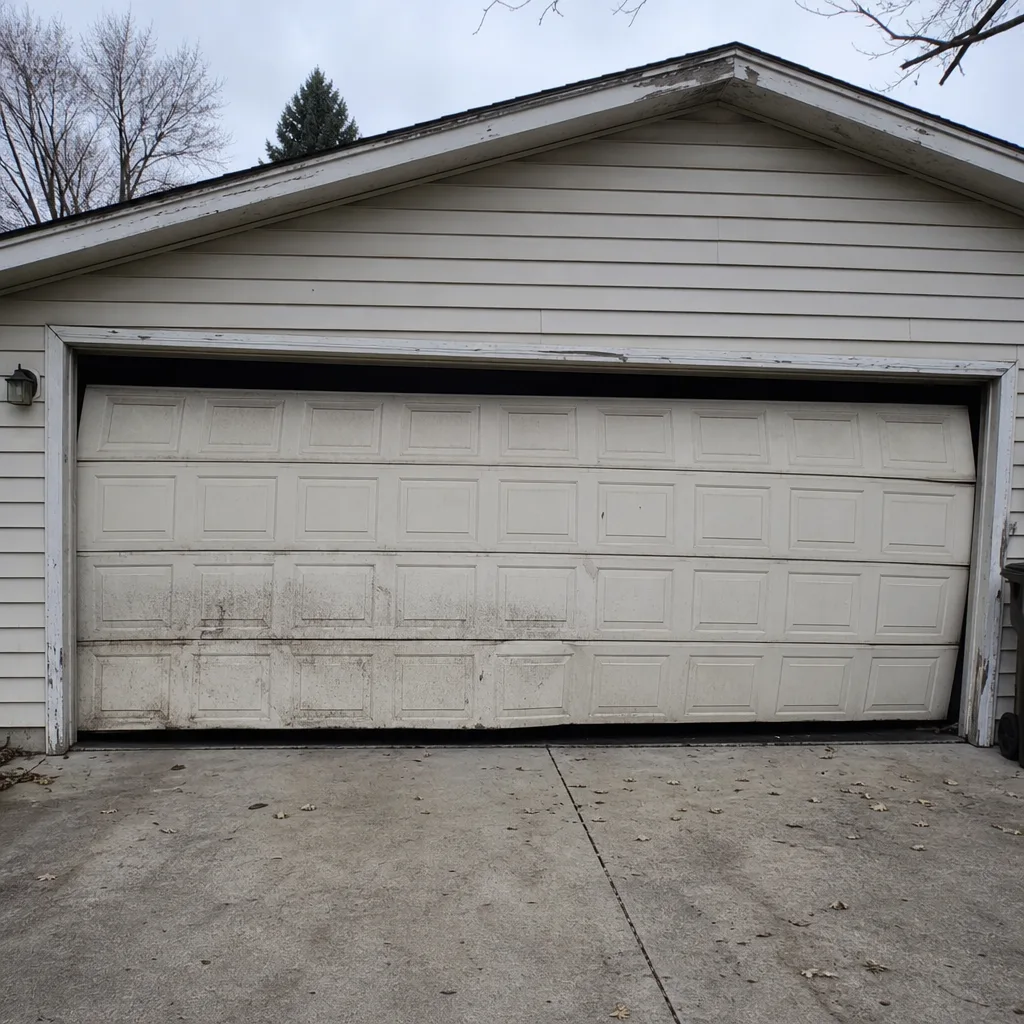 Before
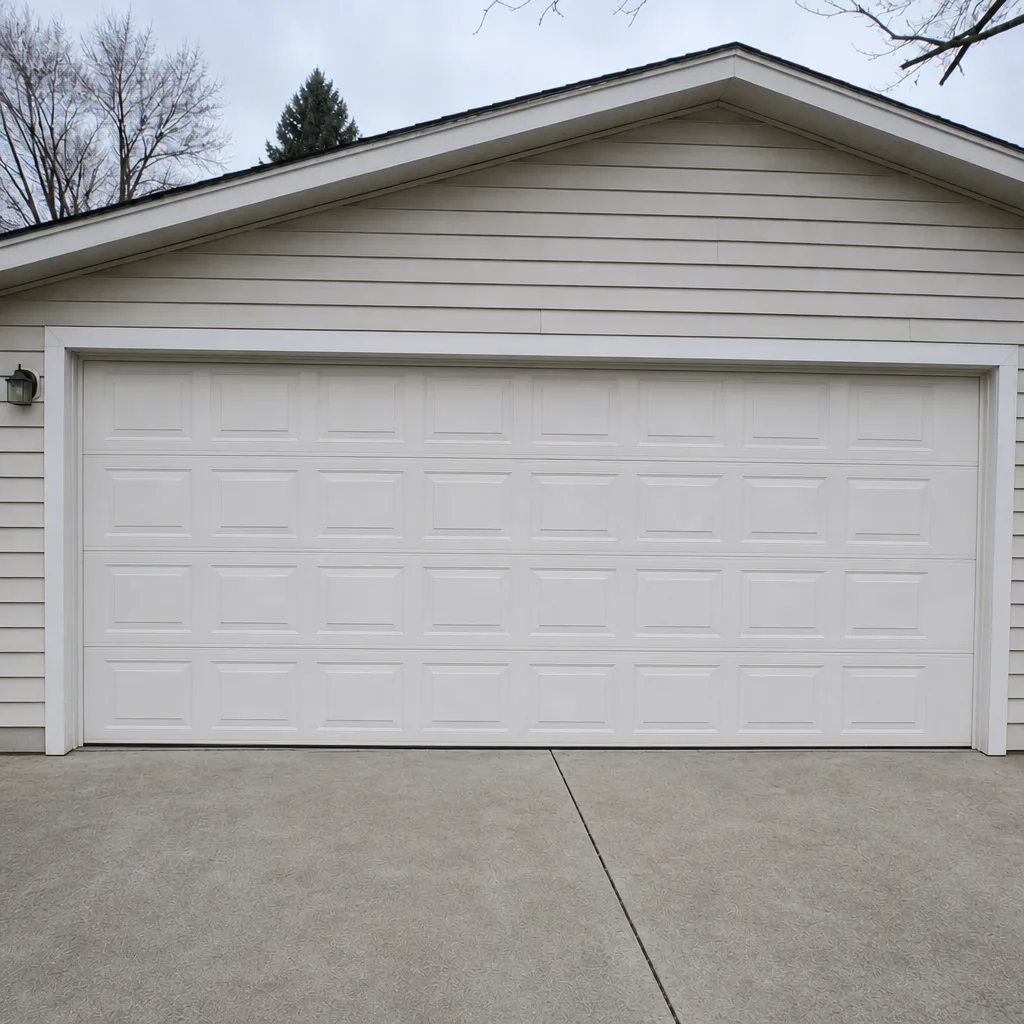 After
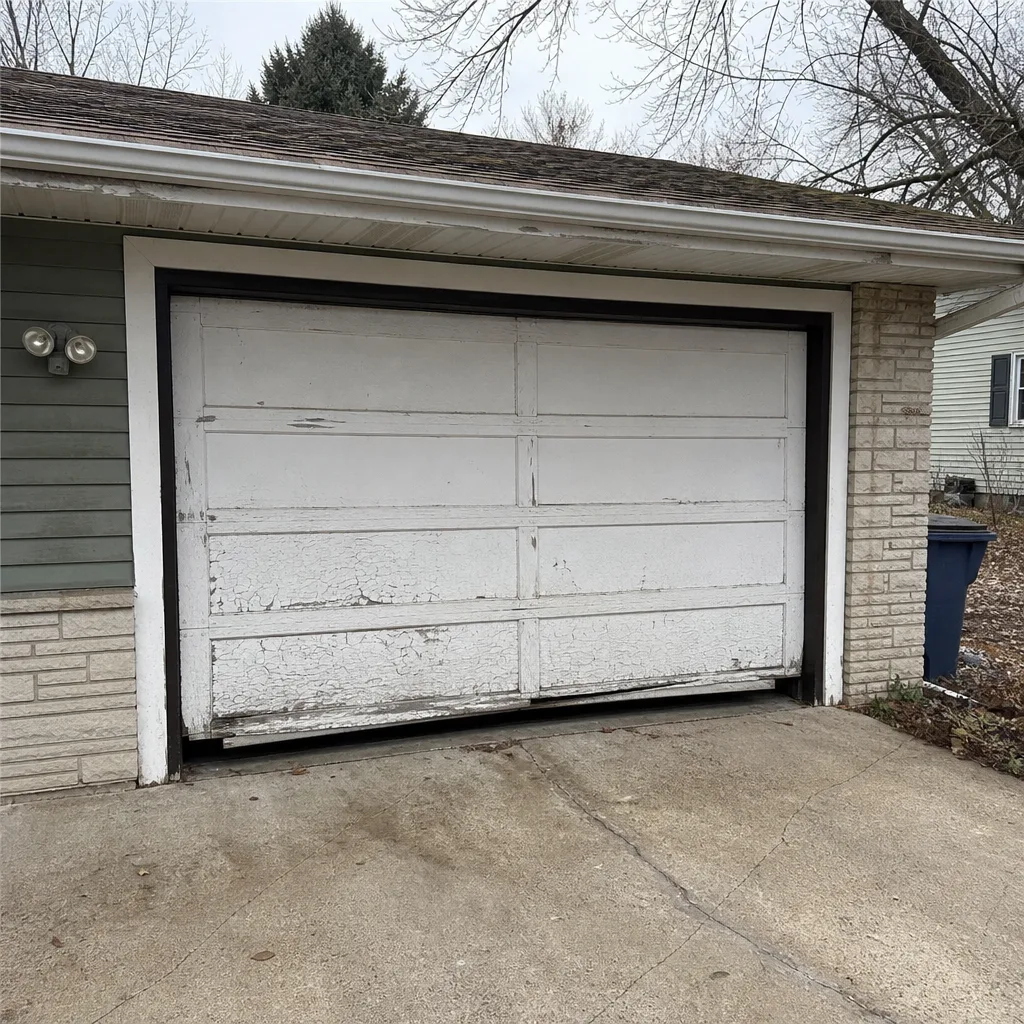 Before
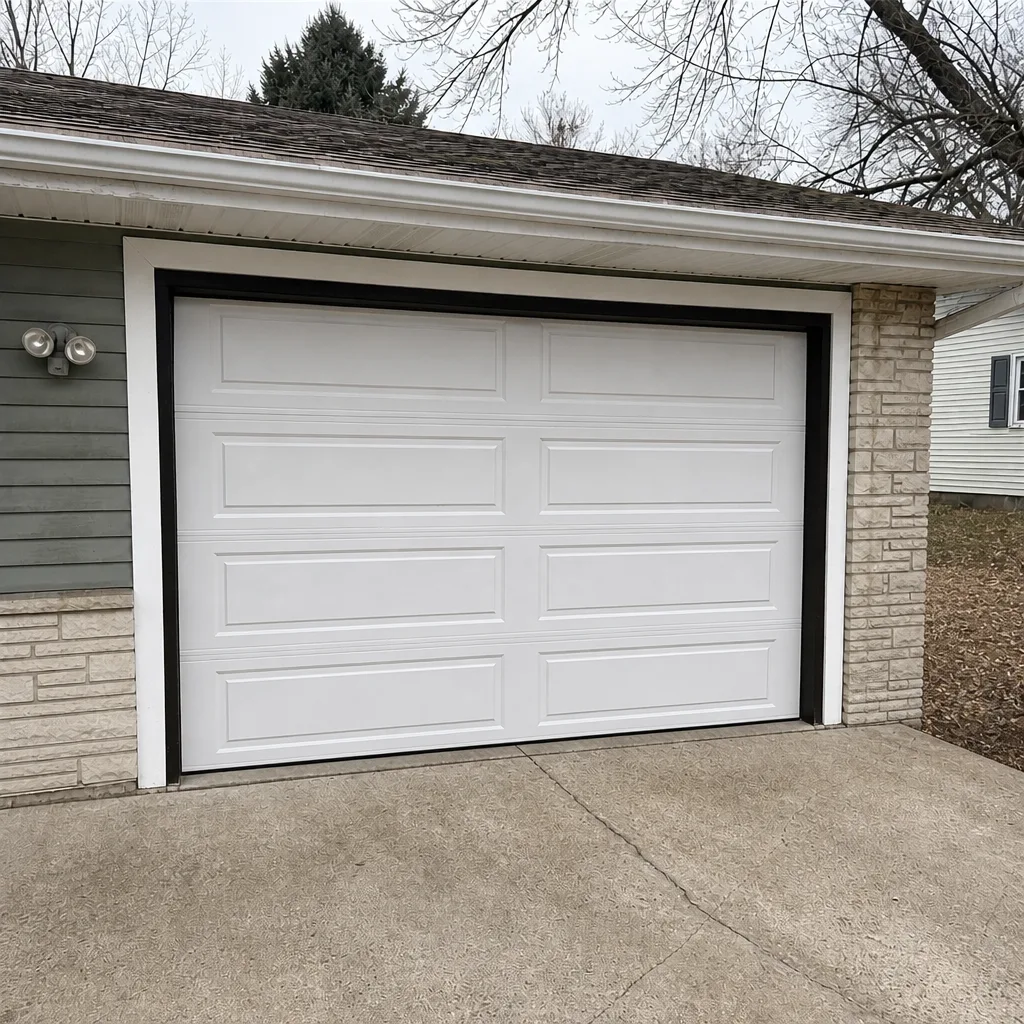 After
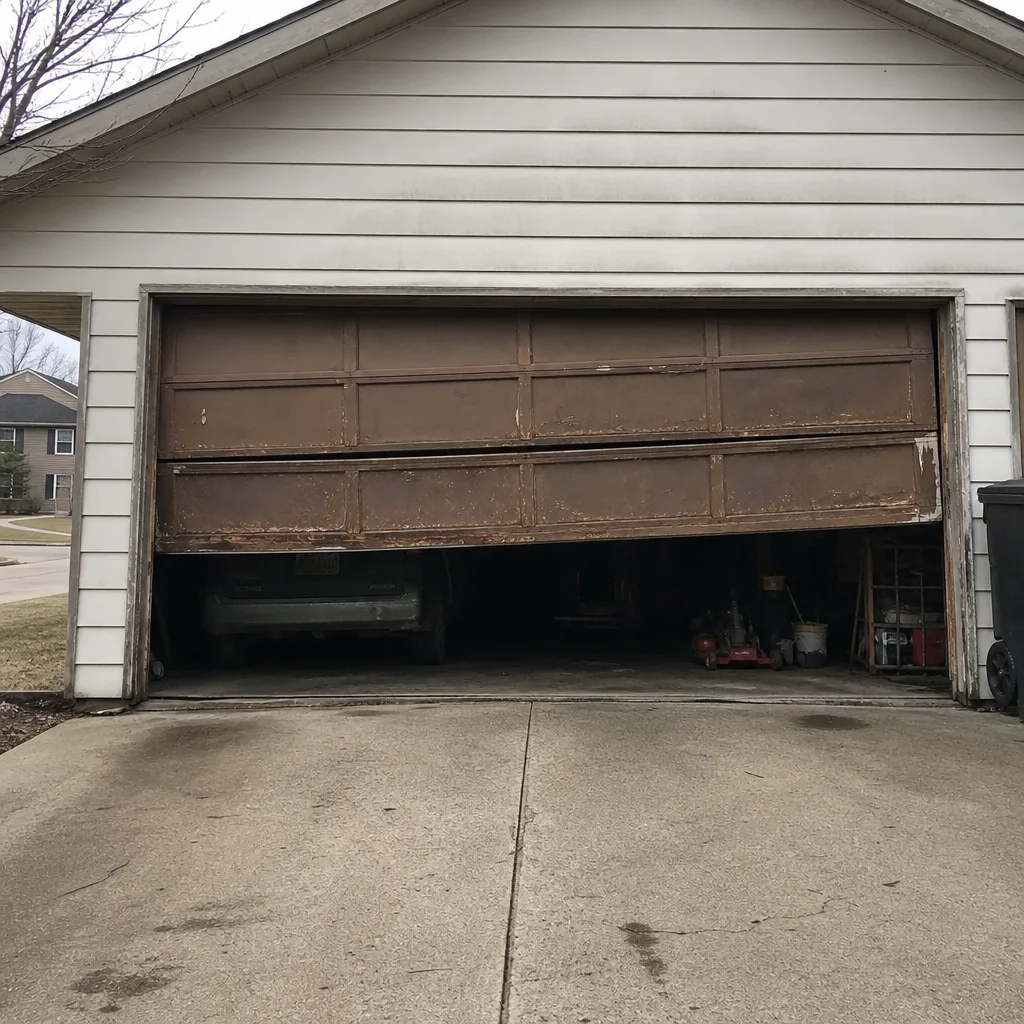 Before
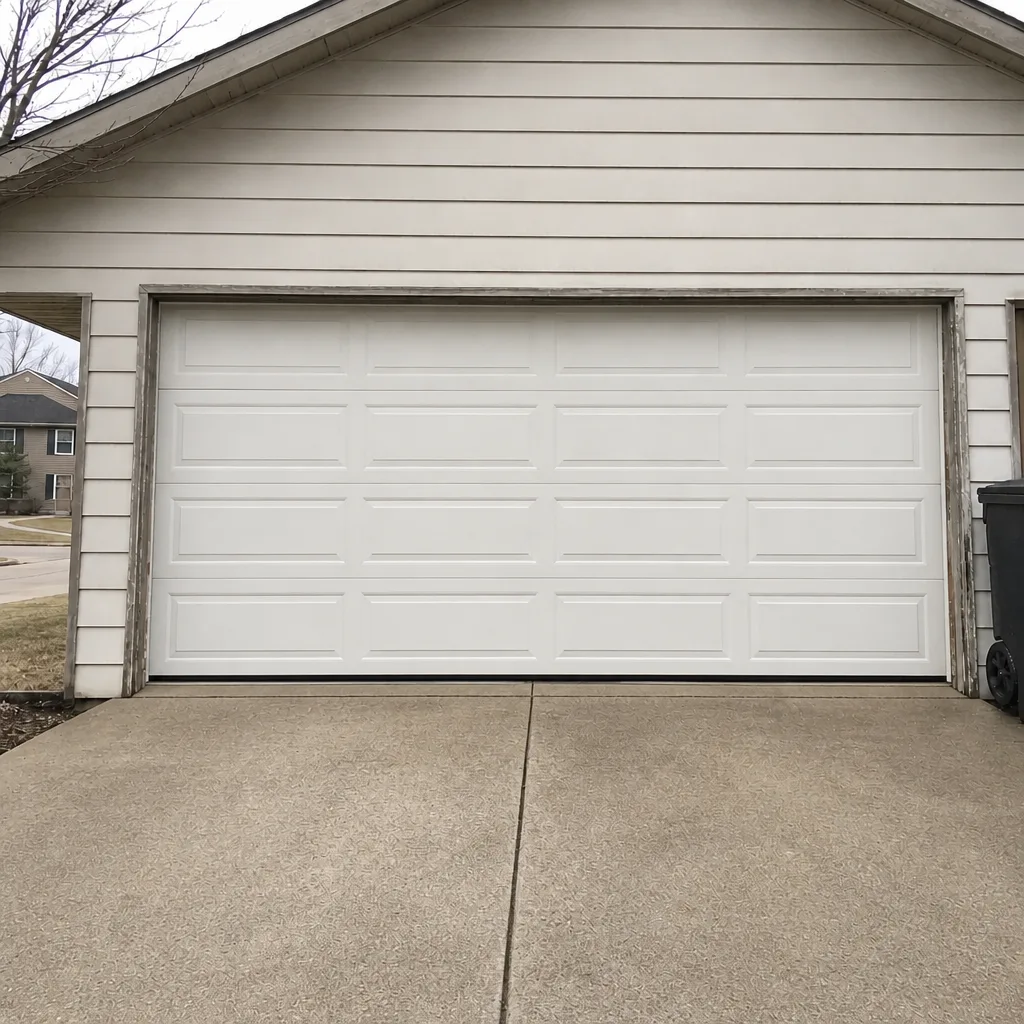 After
When to Call a Professional
Call a professional when your symptom points to springs, cables, or the counterbalance system; when the door is crooked, heavy, or slamming; when a cable has visible slack; or when you’ve cleared the safe checks above and the door still won’t behave. Call immediately if a spring has snapped or the door is stuck open with a vehicle trapped. Never run a door with a failed counterbalance: it can fall. And never attempt to lift or hold a door with a failed spring. Maple Grove Garage Door Repair Pros offers free estimates in Maple Grove. Call (833) 902-7220 and we’ll walk you through the symptom, tell you whether it’s a call-out or a hardware issue, and quote the price before any work starts. The written estimate sets the final price, so there are no surprises when the job is done.
Frequently Asked Questions
Your safety sensors are almost certainly the cause. The door reverses because the opener believes something is in the path, which happens when the sensor lenses are dirty, misaligned, or blocked by debris. Wipe both lenses, clear the path, and check that each sensor’s LED is lit and aimed at the other. If the sensors are clean and aligned and the door still reverses, the fault is upstream and needs a technician to test the wiring and logic board. Call (833) 902-7220 for a free estimate.
Spring repair pricing depends on the spring type and whether you have one spring or a matched pair. Torsion and extension springs are priced separately, and most doors use a matched pair that’s replaced together. The estimate is always given in writing before any work starts, so the number you agree to is the number you pay. Call (833) 902-7220 for an exact quote on your door, and the estimate is free.
No. Torsion springs are under extreme tension at all times, and adjusting, winding, or replacing one without proper training and tools is how people get seriously hurt. The same is true for lift cables and drums. A trained technician has the winding bars, the safety procedures, and the experience to do the job safely. If a spring has snapped, leave the door closed and don’t run it. Call (833) 902-7220 and we’ll take it from there.
Grinding almost always means the rollers, hinges, or tracks are the problem, not the opener. Worn steel rollers with dry bearings are the most common cause, followed by a track that’s been nudged out of alignment. Grit in the tracks from road salt and sand makes it worse in a Minnesota winter. Don’t grease the tracks: keep them dry and have the rollers and hinges checked. Call (833) 902-7220 for an inspection and a free estimate.
Freeze-thaw cycles are the answer. Cold makes springs more brittle and more likely to snap, ground heave can make the bottom seal drag and trip the down-force limit, and morning frost can fog the sensor lenses so the door reverses for no visible reason. None of it means the door is fine the rest of the year: a spring that snaps in January was already near the end of its life. A fall inspection catches most of these problems before the first freeze. Call (833) 902-7220 to schedule one.
No, the written estimate you agree to sets the final price. The diagnostic visit is where we confirm which failure category you’re in and what parts the repair needs, and the quote is issued in writing before any work begins. If the diagnosis turns up something different from what you described, we explain it and requote before touching the door. Call (833) 902-7220 for a free estimate.
The Bottom Line
Garage door troubleshooting comes down to matching the symptom to the system before you touch anything. Reversing doors are usually sensors. Grinding is usually rollers and tracks. Heavy or crooked doors are counterbalance failures, and those are a stop-and-call situation every time. In Maple Grove, the freeze-thaw calendar makes springs and seals fail on a predictable seasonal schedule, and a fall check catches most of it before it turns into an emergency. Maple Grove Garage Door Repair Pros works on every major residential brand, handles springs, openers, panels, and full installations, and quotes the price before work starts. Call (833) 902-7220 for a free estimate.
Written by the team at Maple Grove Garage Door Repair Pros.